Purchasing an asphalt plant is a major investment for any road construction contractor, asphalt producer, or infrastructure company. For first-time buyers, however, the challenge goes beyond comparing equipment prices. You need to understand how much asphalt your projects require, which plant configuration fits your business, what operating costs to expect, and how to keep production running reliably after installation.
A plant with a high rated capacity does not automatically deliver better returns. Likewise, choosing the lowest purchase price may lead to higher fuel consumption, maintenance expenses, or production limitations later. The right decision depends on your project schedule, local market demand, material supply, workforce, and long-term business plans.
Before purchasing an asphalt mixing plant, it is worth examining several practical factors. You should also evaluate the manufacturer’s technical experience, equipment configurations, and service capabilities. Comparing qualified asphalt mix plant supplier options can help you understand the differences between equipment packages and avoid making a decision based on price alone.
This guide explains what first-time buyers should evaluate, helping you reduce investment risks and select equipment that supports real construction requirements.
1. Define Your Asphalt Production Requirements Before Choosing a Plant
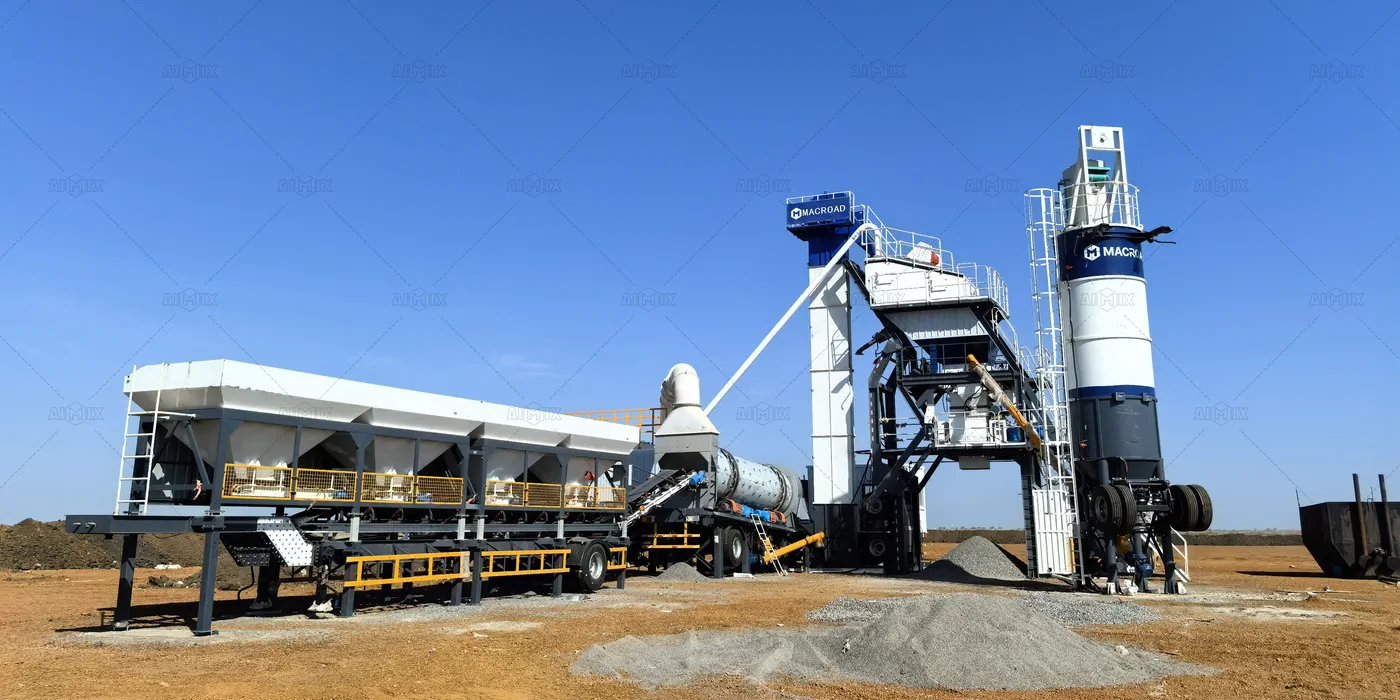
The first step is to understand how much asphalt you actually need. Many new buyers start by asking about equipment prices or popular models. However, production demand should guide your equipment selection, not the other way around.
For example, a contractor working on several local road projects may need a different production arrangement from a company supplying asphalt to multiple construction teams. Therefore, calculate your expected production demand before comparing plant specifications.
Evaluate Daily and Annual Asphalt Demand
Start with your expected project volume, working hours, and construction schedule. Consider both peak production requirements and average annual demand.
- Daily demand: Estimate how many tons of asphalt your paving teams need each working day.
- Annual demand: Calculate the total asphalt volume you expect to produce throughout the year.
- Project duration: Determine whether you need continuous production for several months or temporary production for short-term contracts.
- Peak demand: Consider whether multiple paving teams will require asphalt simultaneously.
- Future demand: Evaluate whether your company plans to expand into larger road construction or commercial asphalt supply.
For instance, a contractor producing 400 tons per day over an 8-hour shift needs an average output of 50 tons per hour. However, actual plant selection should also account for material moisture, mix design, operating efficiency, and production interruptions.
Consequently, a plant with a rated capacity of 60 TPH or higher may be more appropriate than selecting a 50 TPH model based on the calculation alone. This additional capacity provides some flexibility when actual operating conditions reduce production output.
2. Understand Different Types of Asphalt Plants
Once you understand your production requirements, the next decision concerns plant configuration. Different asphalt plants suit different construction conditions. Choosing the right type can affect transportation costs, installation time, production flexibility, and long-term operating expenses.
Batch Mix Asphalt Plant
A batch mix asphalt plant produces asphalt in separate batches. It weighs and dries aggregates, screens them into different sizes, and combines them with filler and bitumen according to a controlled mix design.
This configuration works well for contractors and asphalt producers that need flexible mix designs and consistent quality control. For example, highway and airport projects may require different aggregate gradations and asphalt specifications. A batch production system allows operators to adjust material proportions for different mix requirements.
If your projects require accurate weighing, separate aggregate screening, and flexible mix production, consider an asphalt batch plant for road construction.
- Typical capacity: Approximately 40–320 TPH for common configurations, with larger options available depending on the manufacturer.
- Main advantage: Flexible production of different asphalt mixtures.
- Suitable applications: Highway construction, municipal roads, airport projects, and commercial asphalt production.
- Buyer consideration: Evaluate screening accuracy, hot aggregate storage, weighing systems, and dust collection performance.
Drum Mix Asphalt Plant
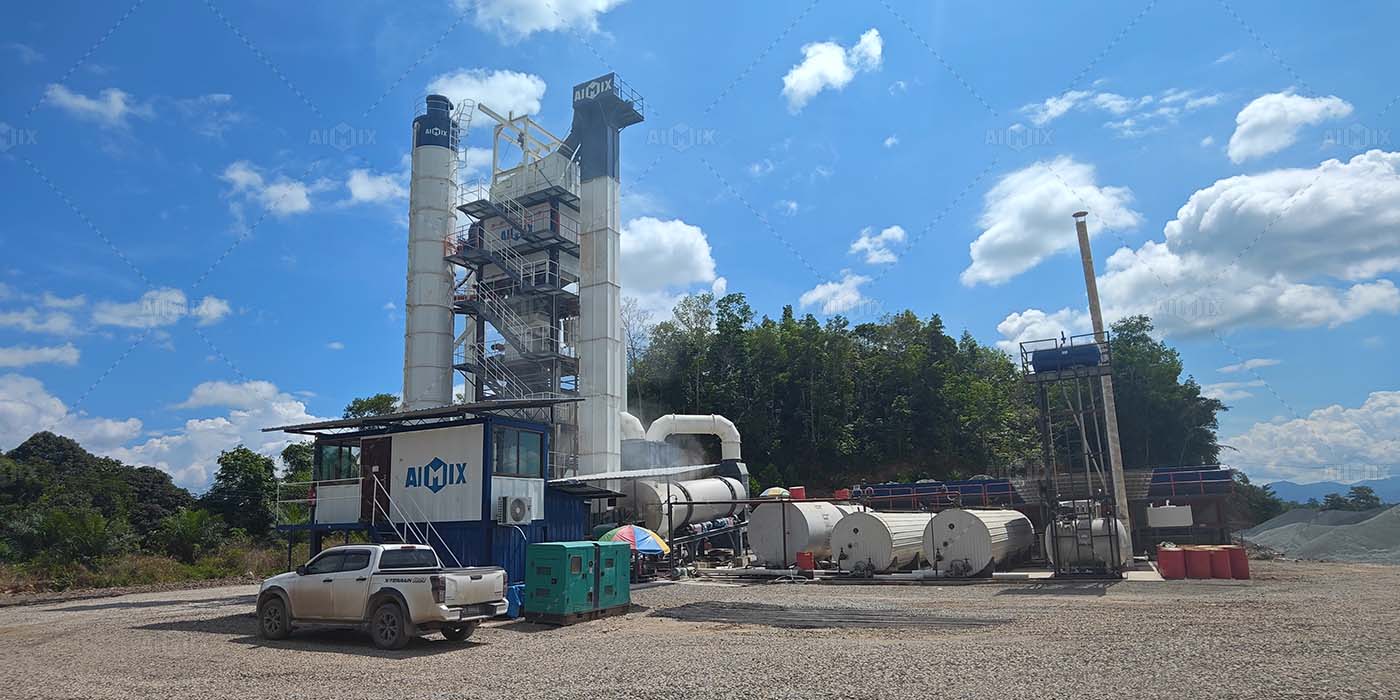
A drum mix asphalt plant dries aggregates and mixes them with bitumen in a continuous production process. It offers a relatively straightforward production arrangement and can suit projects that require a consistent asphalt mixture over extended working periods.
Because the drying and mixing processes take place continuously, this configuration can be practical for contractors with stable production requirements and fewer changes in mix design. However, buyers should still evaluate the required asphalt quality, aggregate specifications, and production control system.
For projects that prioritize continuous output and a relatively simple production process, an asphalt drum mix plant for sale may be worth comparing with a batch configuration.
- Typical capacity: Approximately 20–100 TPH for many common configurations, although larger models are available.
- Main advantage: Continuous production and a relatively simple process.
- Suitable applications: Rural roads, local road maintenance, mining access roads, and projects with stable mix requirements.
- Buyer consideration: Check the burner, drying drum, mixing system, dust collector, and bitumen supply arrangement.
Mobile and Stationary Asphalt Plants
Plant mobility is another important consideration, especially for contractors working across different project locations.
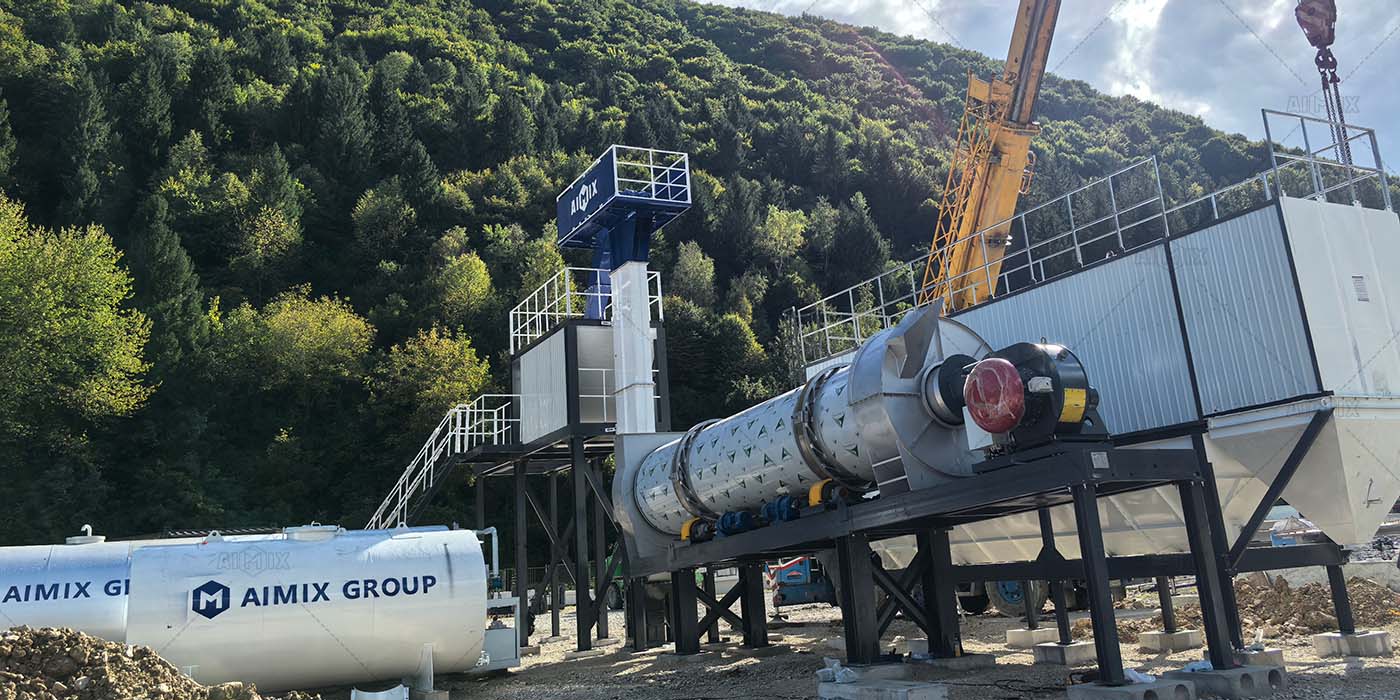
- Mobile asphalt plant: Suitable for contractors who frequently relocate equipment between construction sites. It can reduce repeated dismantling and transportation work.
- Stationary asphalt plant: Better suited to long-term production bases, commercial asphalt supply, and projects with stable production locations.
If your projects move between regions or remote construction sites, an asphalt mixing plant mobile configuration may help bring production closer to the paving location. This can reduce the distance between the plant and the jobsite, although transportation and relocation requirements still need careful planning.
However, mobile equipment does not always mean lower total investment. Buyers should compare transportation arrangements, installation requirements, foundation conditions, and the expected number of relocations. A stationary plant may offer better long-term value when production remains concentrated at one location.
3. Calculate the Total Asphalt Plant Investment, Not Just the Purchase Price
After identifying suitable plant types, first-time buyers should examine the complete investment. The equipment quotation is only one part of the project cost. Transportation, installation, utilities, supporting equipment, and initial operating expenses can also affect your budget.
What Costs Should First-Time Buyers Include?
- Equipment purchase price: The main plant, control system, burner, dust collection system, and standard configuration.
- Transportation and shipping: Freight, port handling, customs clearance, inland transportation, and delivery to the construction site.
- Site preparation: Ground leveling, foundations where required, drainage, access roads, and storage areas.
- Installation and commissioning: Mechanical assembly, electrical connections, testing, and production commissioning.
- Supporting facilities: Bitumen tanks, aggregate feeders, loaders, fuel storage, generators, and other auxiliary equipment.
- Initial operating capital: Aggregate, bitumen, fuel, labor, spare parts, and other expenses before receiving customer payments.
For overseas buyers, especially companies importing equipment into Indonesia, local customs procedures and inland transportation deserve particular attention. A plant delivered to Jakarta or Surabaya still needs a suitable transportation plan to reach its final operating location.
Compare Equipment Price With Long-Term Operating Costs
Two asphalt plants with similar rated capacities may have different operating costs. Therefore, buyers should compare more than the initial quotation.
- Fuel consumption per ton of finished asphalt.
- Electricity consumption during production.
- Bitumen heating and storage costs.
- Dust collection and environmental control expenses.
- Routine maintenance and replacement parts.
- Labor requirements and operator training.
- Production downtime and maintenance accessibility.
For example, a plant with a lower purchase price may consume more fuel under the same operating conditions. Over several years, the additional fuel expense may outweigh the initial savings.
For this reason, request detailed technical specifications and operating assumptions before comparing quotations. Make sure suppliers use comparable production conditions when providing cost estimates.
4. Check Whether the Plant Can Handle Your Local Raw Materials
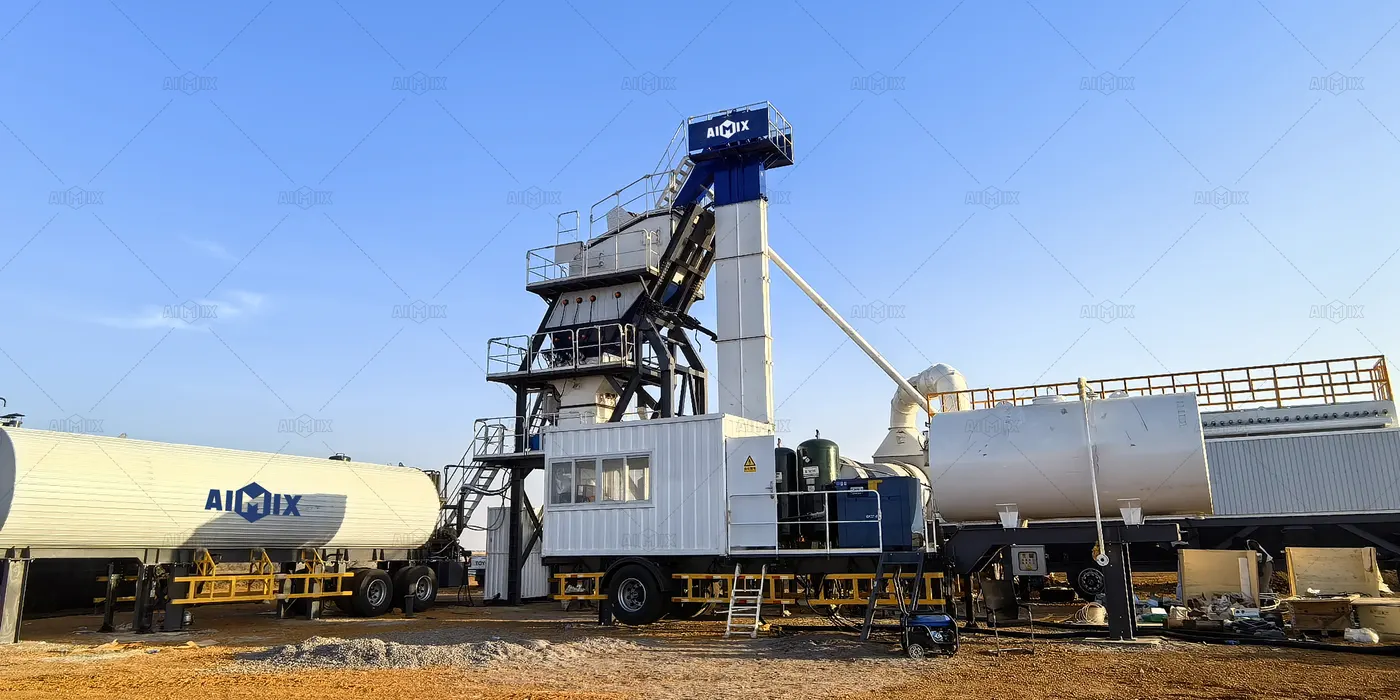
Asphalt production depends heavily on aggregate quality and moisture content. Even a well-configured plant may struggle to maintain its expected output when raw materials do not match the equipment’s operating conditions.
Aggregate Size, Gradation, and Moisture
Before ordering equipment, identify the aggregates available near your project. Different quarries may supply different particle sizes, gradations, and moisture levels.
- Check the maximum aggregate feeding size.
- Confirm the number and capacity of cold aggregate bins.
- Evaluate whether the screening system supports your required gradation.
- Check how the drying system handles seasonal moisture changes.
- Confirm whether the proposed configuration supports your target asphalt mix designs.
This issue is particularly relevant in tropical regions such as Indonesia. During rainy periods, wet aggregates can increase drying energy requirements and reduce actual production capacity.
Therefore, do not select a plant based only on ideal laboratory conditions. Ask the manufacturer to explain its production assumptions under your expected aggregate moisture conditions.
Bitumen Storage and Heating Requirements
Bitumen needs suitable heating and temperature control before entering the mixing process. Insufficient heating capacity can interrupt production, while poor temperature management may affect asphalt quality.
Before purchasing, check the following:
- Required bitumen storage capacity based on daily production.
- Heating method and burner configuration.
- Thermal oil circulation or other heating arrangements.
- Insulation quality and temperature monitoring.
- Bitumen pump capacity and pipeline layout.
- Compatibility with the bitumen grades used in your local projects.
5. Pay Attention to Fuel Consumption and Energy Efficiency
Fuel is one of the major recurring costs in asphalt production. The drying process requires considerable thermal energy, and its efficiency directly influences the cost per ton of finished asphalt.
However, fuel consumption does not depend on the burner alone. Aggregate moisture, ambient conditions, production rate, fuel type, and operating practices all influence actual consumption.
Questions to Ask About the Burner System
- Which fuels can the burner use, such as diesel, heavy oil, or natural gas?
- What is the rated burner capacity?
- What fuel consumption can buyers expect under specified operating conditions?
- Can the burner adjust its output according to production demand?
- Is local fuel supply reliable and economical?
- Are replacement parts and technical support available locally?
When comparing two quotations, ask both suppliers to provide fuel consumption estimates using the same aggregate moisture, production capacity, fuel type, and operating conditions. Otherwise, the comparison may be misleading.
6. Understand Environmental Requirements Before Installation
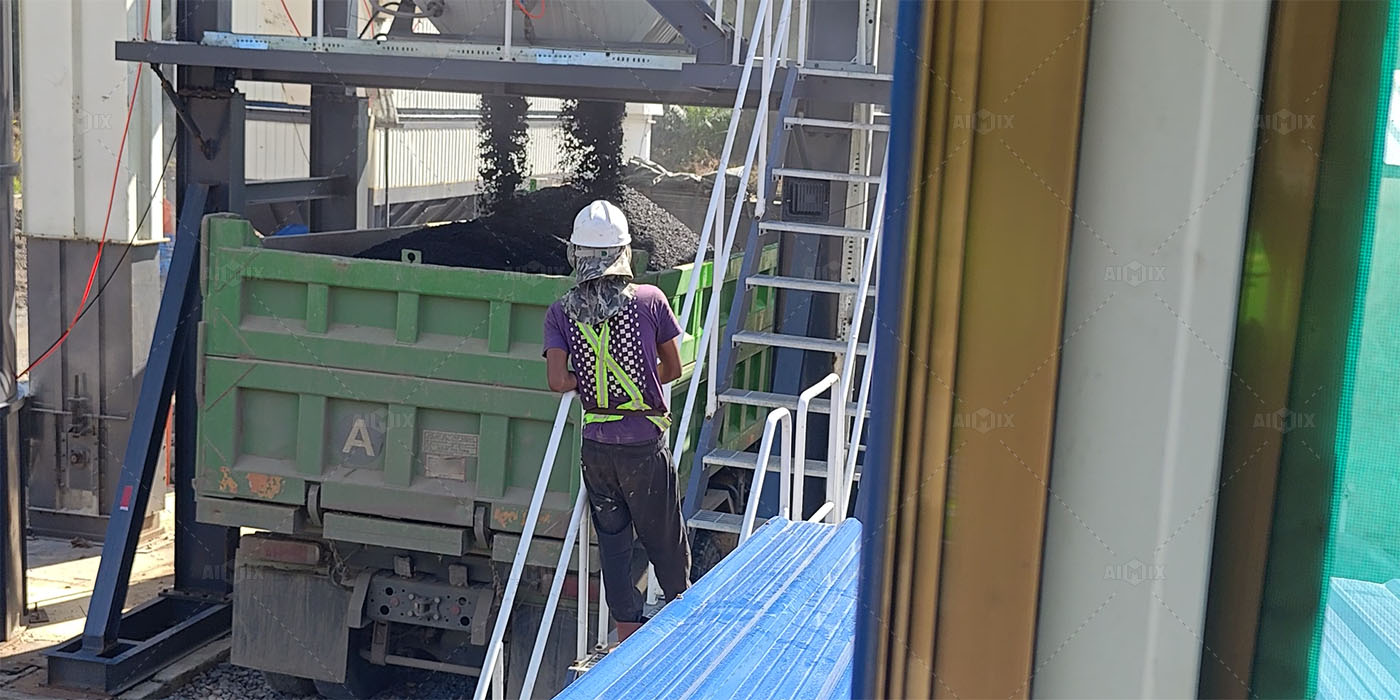
Environmental compliance is another important factor for first-time buyers. Asphalt production involves aggregate drying, dust generation, fuel combustion, and bitumen handling. These processes require appropriate environmental control measures.
Dust Collection and Emission Control
A suitable dust collection system helps control dust generated during aggregate drying and production. Depending on the plant design and local requirements, the system may include primary dust collection and a baghouse filter.
Buyers should check:
- Dust collector configuration and filtration capacity.
- Filter bag material and replacement requirements.
- Dust return arrangements, where applicable.
- Exhaust system and stack configuration.
- Available emission monitoring and control options.
Consider Local Permits and Site Conditions
For projects in Indonesia, buyers should confirm applicable environmental approval, land-use, construction, and operating requirements with the relevant local authorities before installation.
Also consider the distance from residential areas, prevailing wind direction, drainage, access roads, and the availability of electricity and water. Early site assessment can prevent expensive changes after equipment delivery.
7. Evaluate Installation, Commissioning, and After-Sales Support
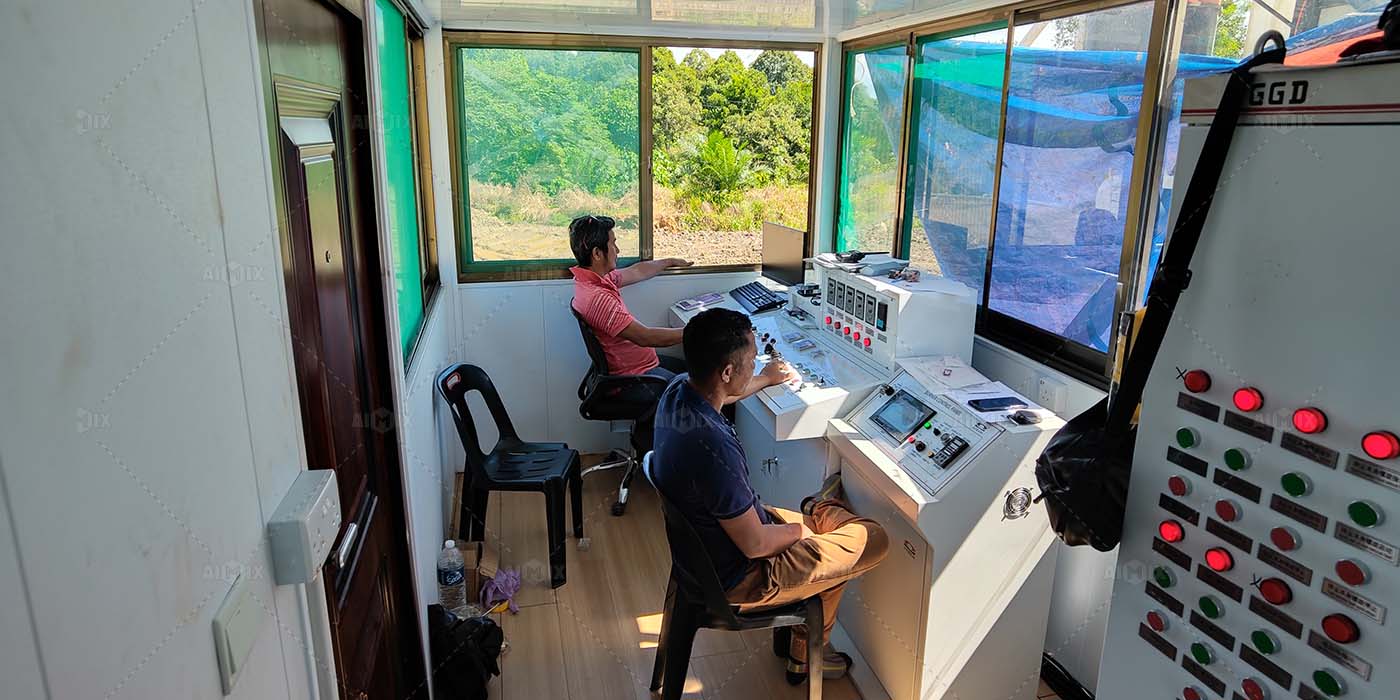
Purchasing an asphalt plant is not the end of the investment process. The equipment must be assembled, tested, and operated correctly before it can generate revenue. For first-time buyers, the supplier’s installation and service capabilities are therefore just as important as the machine specifications.
What Installation Support Should You Expect?
- Equipment foundation and layout guidance.
- Mechanical installation instructions and technical supervision.
- Electrical system connection and control system commissioning.
- Burner adjustment and production testing.
- Operator training and routine maintenance guidance.
- Initial production support and troubleshooting.
Before signing the purchase contract, clarify which services are included and which require additional payment. Also confirm the expected installation schedule, the responsibilities of both parties, and the availability of qualified technicians.
Check Spare Parts and Warranty Conditions
Production interruptions can affect construction schedules and customer relationships. Therefore, buyers should understand how quickly critical spare parts can be supplied.
- What is the warranty period and what components does it cover?
- Which spare parts should be purchased together with the plant?
- Are common wearing parts available locally or regionally?
- How does the supplier handle technical support requests?
- Can technicians provide remote assistance or on-site service?
A reliable supplier should explain these arrangements clearly instead of making general promises about after-sales service.
8. Calculate Your Potential Return on Investment
Once you understand the equipment, operating expenses, and installation requirements, you can evaluate whether the investment makes commercial sense.
For a first-time buyer, the most useful approach is to estimate the contribution margin per ton and calculate how many tons you need to sell or consume to recover your investment.
Estimate Your Asphalt Production Profitability
Start with a simple calculation:
- Annual production volume: Actual tons produced and sold or consumed in construction projects.
- Selling price per ton: Revenue received from asphalt sales, if operating as a commercial supplier.
- Variable cost per ton: Aggregate, bitumen, fuel, electricity, transportation, and other production-related expenses.
- Fixed operating costs: Labor, site expenses, insurance, maintenance, and administrative costs.
- Initial investment: Equipment, installation, transportation, and supporting facilities.
For a commercial asphalt producer, a simplified contribution margin calculation is:
Contribution Margin Per Ton = Asphalt Selling Price Per Ton – Variable Production Cost Per Ton
Break-Even Production Volume = Fixed Costs / Contribution Margin Per Ton
These formulas provide an initial business estimate. A complete investment analysis should also include taxes, financing costs, depreciation, working capital, seasonal demand, and equipment resale value.
Consider Whether to Buy, Rent, or Outsource Asphalt Production
Buying an asphalt plant is not always the best choice for every contractor. If your company only handles occasional road projects, purchasing equipment may tie up capital that could support other business activities.
- Buy a plant: Suitable when you have stable asphalt demand, multiple projects, or plans to sell asphalt commercially.
- Rent production capacity: Worth considering when demand is temporary and you want to avoid a large initial investment.
- Purchase asphalt from an existing supplier: May be more practical when project volumes are low or local suppliers can deliver reliably.
- Build your own production base: Can offer greater control over production scheduling and supply when long-term demand justifies the investment.
The best decision depends on project frequency, local asphalt prices, transportation distances, and expected equipment utilization.
9. Avoid Common Mistakes Made by First-Time Asphalt Plant Buyers
Even experienced construction companies can make costly mistakes when entering asphalt production. Understanding these risks before purchasing helps you evaluate suppliers more objectively.
Choosing Capacity Based Only on the Rated Output
A rated capacity does not guarantee the same output under every condition. Aggregate moisture, mix design, fuel performance, and operating practices can affect actual production.
Instead, ask suppliers to explain the conditions behind their rated capacity and provide realistic production estimates for your materials.
Focusing Only on the Lowest Quotation
A low initial price may exclude essential equipment, installation support, or important auxiliary systems. Compare the complete configuration and total project cost rather than looking at one headline figure.
Ignoring Site Preparation
Insufficient site access, poor drainage, unsuitable foundations, or inadequate storage space can delay installation. Complete a site assessment before finalizing the plant layout.
Underestimating Local Service Requirements
Imported equipment needs a clear maintenance and spare-parts plan. Confirm how the supplier supports overseas customers and how quickly critical components can reach your project location.
10. Prepare a Checklist Before Requesting an Asphalt Plant Quotation
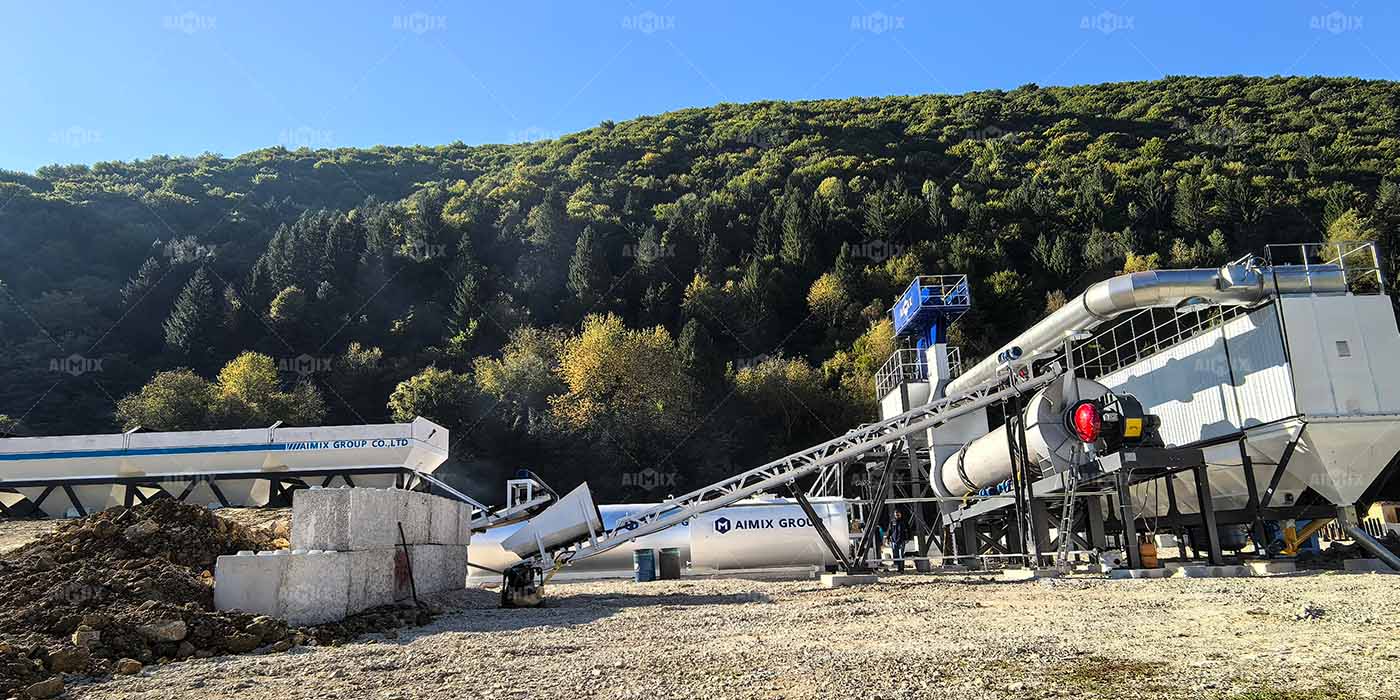
Before contacting manufacturers, prepare basic project information. This helps suppliers recommend a suitable configuration and provide a more accurate quotation.
- Project location: Country, city, and proposed installation site.
- Business type: Road contractor, asphalt producer, mining company, or infrastructure developer.
- Required capacity: Expected hourly and daily asphalt production.
- Plant configuration: Batch mix or drum mix; mobile or stationary.
- Asphalt mix requirements: Required aggregate gradation and asphalt mixture types.
- Raw materials: Aggregate sizes, moisture conditions, and bitumen grade.
- Fuel availability: Preferred fuel type and local supply conditions.
- Environmental requirements: Dust collection and applicable local standards.
- Installation schedule: Expected delivery and commissioning date.
- Budget: Estimated investment range and supporting equipment requirements.
The more accurate your project information, the easier it becomes to compare suppliers and avoid receiving unsuitable equipment proposals.
Conclusion: Choose an Asphalt Plant That Fits Your Business, Not Just Your Budget
For first-time buyers, purchasing an asphalt plant requires more than selecting a capacity and negotiating a price. You need to understand production demand, plant configuration, raw material conditions, energy consumption, environmental requirements, installation arrangements, and long-term operating costs.
Most importantly, select equipment based on realistic project demand and expected utilization. A properly matched plant can help control production costs, improve asphalt supply reliability, and support your company’s long-term development.
If you are planning your first asphalt plant investment, contact our team with your project location, required capacity, asphalt mix requirements, and estimated production schedule. We can help evaluate a suitable configuration, discuss supporting equipment, and prepare a quotation based on your actual project conditions.