Latin America presents diverse climate conditions, from the cold highlands of the Andes to tropical coastal areas with high humidity and heavy rainfall. These environmental differences directly influence road construction efficiency, material quality, and equipment selection. An asphalt plant must be engineered with specific adaptations to maintain stable production, reduce energy consumption, and ensure consistent asphalt mixtures under challenging weather conditions.
For contractors evaluating an asphalt plant(planta de aglomerado) for sale, understanding regional climate requirements is essential. A configuration suitable for cold regions may not perform efficiently in humid environments, while a system designed for tropical areas may require additional protection when operating at high altitudes or low temperatures. The right engineering approach helps companies achieve reliable road construction performance across Latin America.
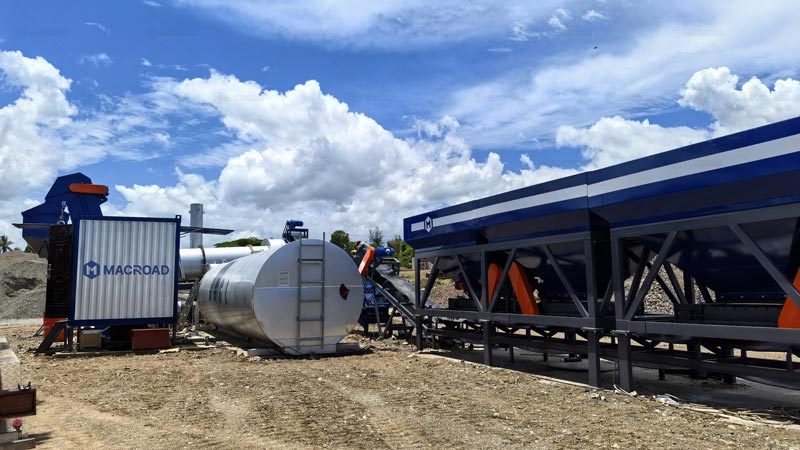
Climate Challenges Affecting Asphalt Production in Different Regions
Cold Region Challenges for Asphalt Plants
Cold regions in Latin America, especially mountainous areas such as the Andes, create unique challenges for asphalt production. Low temperatures can slow down heating processes, increase fuel consumption, and affect the temperature stability of finished asphalt mixtures.
An asphalt plant operating in cold environments usually requires enhanced thermal insulation, efficient burners, and improved heat retention systems. These features help maintain aggregate heating efficiency and prevent temperature loss during production and transportation.
- High-efficiency drying drums to improve heat transfer;
- Insulated storage silos to reduce heat loss;
- Powerful burners designed for low-temperature operation;
- Automatic control systems for precise temperature management.
Humid Region Challenges for Asphalt Plants
Humid regions, including many tropical areas of Central America and the Caribbean, face different production problems. High moisture content in aggregates increases drying requirements and can reduce production efficiency if the equipment is not properly configured.
For example, an asphalt plant in the Dominican Republic must often handle high humidity, frequent rainfall, and wet raw materials. Without effective moisture management, the plant may consume more fuel and experience unstable production capacity.
| Climate Condition | Main Challenge | Required Adaptation |
|---|---|---|
| Cold regions | Heat loss and slow temperature recovery | Enhanced insulation and efficient heating systems |
| Humid regions | High aggregate moisture content | Stronger drying capacity and moisture control |
Engineering Adaptations for Cold Climate Asphalt Production
Improved Thermal Efficiency
In cold areas, improving thermal efficiency is one of the most important design priorities. Modern asphalt equipment uses optimized drying drums, heat-resistant materials, and advanced burner technologies to maximize energy utilization.
A well-designed asphalt plant can reduce unnecessary fuel consumption while maintaining the required mixing temperature. This is particularly important for contractors working in remote mountainous areas where fuel supply and operating costs can be significant factors.
Reliable Control Systems for Temperature Stability
Temperature fluctuations can directly affect asphalt quality. Advanced control systems allow operators to monitor aggregate temperature, asphalt mixing parameters, and production status in real time.
For contractors selecting an asphalt plant for sale(planta de asfalto en venta), choosing equipment with automated temperature control can improve production consistency and reduce operational risks in cold regions.
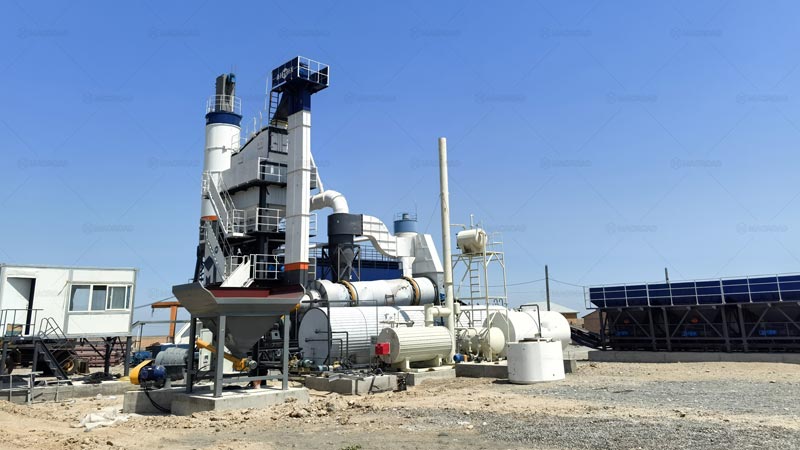
Engineering Adaptations for Humid Climate Asphalt Production
Enhanced Drying and Moisture Removal
In humid environments, drying efficiency becomes a key factor affecting asphalt production. Wet aggregates require more energy to reach the required temperature, which can reduce output if the drying system is not powerful enough.
A properly configured asphalt plant uses optimized airflow design, efficient combustion systems, and adjustable drying parameters to handle different moisture levels. These improvements allow contractors to maintain stable production even during rainy seasons.
Corrosion Protection and Equipment Durability
Humidity and coastal environments can accelerate equipment corrosion. Therefore, asphalt plants used in tropical regions often require stronger protective coatings, improved electrical protection, and durable components.
These adaptations extend equipment service life and reduce maintenance requirements, helping companies achieve better long-term investment returns.
Choosing the Right Asphalt Plant Configuration for Latin America
Mobile and Mini Asphalt Plant Solutions
For small and medium-sized road projects, a mini asphalt plant(mini planta de asfalto) can provide flexibility and lower investment costs. These compact systems are easier to transport between construction sites and can adapt to regional climate requirements with customized configurations.
A mini asphalt plant is especially suitable for contractors handling rural roads, municipal projects, and infrastructure upgrades where mobility and quick installation are important.
Evaluating Regional Requirements Before Purchase
Before investing in an asphalt plant for sale, contractors should evaluate several factors, including local climate, aggregate moisture levels, project scale, fuel availability, and maintenance conditions.
- Cold regions require stronger heating and insulation solutions;
- Humid regions require efficient drying and corrosion protection;
- Remote projects may benefit from mobile configurations;
- Large projects require higher production capacity and automation.
How Climate-Based Engineering Improves Road Construction Efficiency
Climate adaptation is no longer an optional feature for asphalt production in Latin America. Whether operating in cold mountainous areas or humid tropical regions, contractors need equipment designed for local conditions.
A properly engineered asphalt plant helps maintain asphalt mixture quality, reduce energy consumption, and improve construction schedules. From selecting a mini asphalt plant for small projects to investing in larger systems for highways, climate-specific design ensures better performance and higher reliability.
As infrastructure development continues across Latin America, companies that choose equipment based on environmental conditions can achieve more stable production and stronger competitiveness. Understanding the differences between cold and humid regions is a key step when selecting an asphalt plant in the Dominican Republic(planta de asfalto en República Dominicana) or other Latin American markets.