For a 160 TPH asphalt plant, burner fuel consumption can have a direct effect on daily operating cost. The burner heats and dries the aggregate before mixing, so its performance affects much more than the flame itself. It can influence fuel use, heating time, production stability, asphalt temperature, and the cost of every ton of mix.
However, a low-fuel-consumption burner does not simply mean a burner with the smallest fuel figure on a specification sheet. The real question is whether the burner can provide enough heat for the actual aggregate moisture, production rate, weather conditions, and required mix temperature while maintaining stable combustion. Therefore, for a 160 TPH asphalt mixing plant, burner efficiency should be evaluated as part of the complete drying and heating system.
For contractors and asphalt producers, this distinction matters. An asphalt plant may produce 160 tons per hour on paper, but high aggregate moisture or unstable heating can increase fuel consumption and reduce practical output. In contrast, a properly matched burner can help the plant maintain production without using unnecessary fuel.
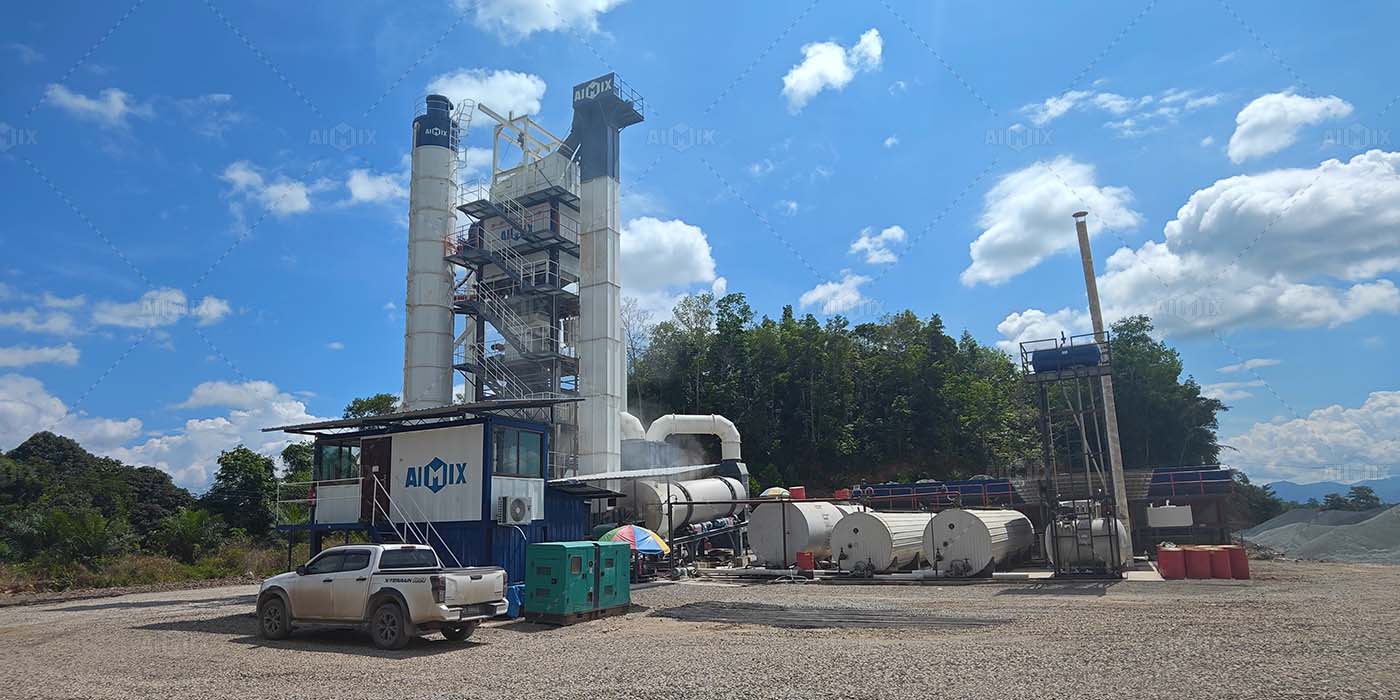
Why Burner Fuel Consumption Matters At 160 TPH
Before comparing burner models, it helps to understand where the fuel goes. In a typical asphalt mixing plant, the burner supplies heat to the drying drum. The hot gases remove moisture from the aggregate and raise its temperature to the level required for asphalt production.
At 160 TPH, the plant handles a large amount of aggregate every hour. As a result, even a small difference in fuel consumption per ton can become significant over a full production day. Therefore, burner efficiency becomes an operating issue rather than a minor equipment specification.
Small Fuel Differences Become Large Daily Costs
Suppose two plants produce the same amount of asphalt mix. If one system uses slightly more fuel for each ton, the difference accumulates with every production hour.
For example, a difference of only 0.5 liters of fuel per ton would represent about 80 liters of additional fuel for 160 tons of production. At 1,280 tons per day, assuming eight hours of production, the difference would reach about 640 liters.
The actual result depends on fuel type, aggregate moisture, temperature, burner design, dryer efficiency, and operating conditions. Still, the example shows why fuel consumption deserves attention when selecting a 160 TPH asphalt plant.
What Does A Low-Fuel-Consumption Burner Actually Mean?
A low-fuel-consumption burner should not simply burn less fuel. It should convert fuel into useful heat efficiently and deliver that heat to the aggregate with limited losses.
In practical terms, buyers should look at several factors together. These include combustion efficiency, burner capacity, flame stability, air-fuel control, dryer matching, aggregate moisture, and exhaust heat losses.
Therefore, the better question is not “How little fuel can the burner use?” Instead, ask “How much fuel does the complete heating system need to produce one ton of usable asphalt mix under my operating conditions?”
Fuel Consumption Per Ton Is More Useful Than Fuel Consumption Alone
For commercial asphalt production, fuel consumption per ton provides a more useful reference than the burner’s maximum fuel rate.
A burner may have a high thermal capacity because the plant needs sufficient heat during wet or cold conditions. That does not mean the plant will always consume fuel at its maximum rate. A properly controlled burner can adjust its firing rate according to the actual heat demand.
Consequently, buyers should request operating data based on realistic production conditions instead of comparing only the maximum burner capacity.
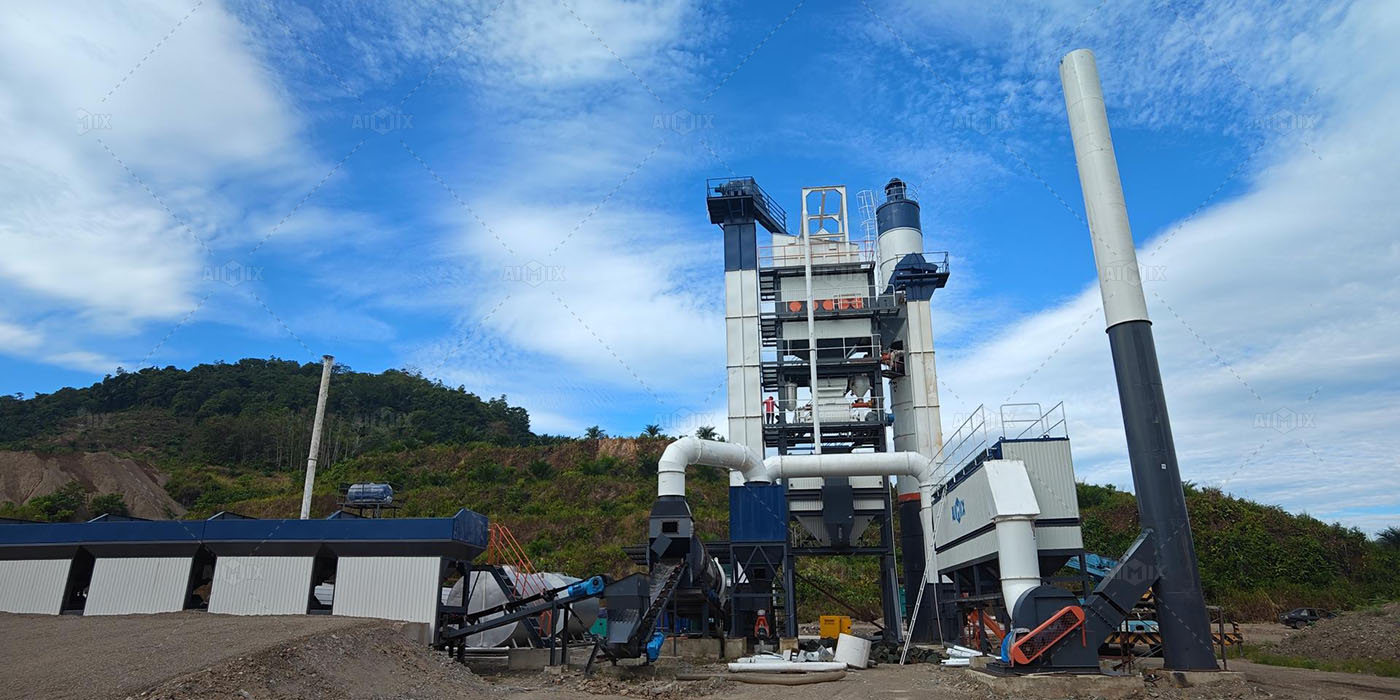
How Aggregate Moisture Changes Fuel Demand
Aggregate moisture is one of the most important factors affecting burner fuel consumption. Water requires substantial energy to heat and evaporate. Therefore, wetter aggregate usually means a higher heating load.
This becomes particularly important in areas with frequent rainfall, high humidity, or uncovered aggregate storage. The same 160 TPH plant can have very different fuel requirements at different sites.
Dry Aggregate And Wet Aggregate Are Not The Same Case
Consider two projects using the same asphalt plant. One stores aggregate under relatively dry conditions. The other operates during a rainy season with wet stockpiles.
The second project may need more burner heat to remove the additional moisture. If the burner cannot respond efficiently, the operator may face slower heating, lower practical production, or higher fuel consumption.
For this reason, a burner should be selected according to the project’s expected aggregate conditions rather than plant capacity alone.
Does A 160 TPH Plant Need A Large Burner?
It needs a burner with enough thermal capacity, but simply choosing the largest available burner is not the right approach.
The required burner capacity depends on several variables. These include aggregate throughput, initial aggregate temperature, moisture content, target aggregate temperature, fuel type, ambient conditions, and dryer efficiency.
Moreover, the burner must work well with the drying drum. The drum size, flight design, material flow, and hot-gas movement all affect heat transfer.
Therefore, burner and dryer selection should be treated as one system.
Why Oversizing Can Also Be A Problem
An oversized burner may provide more heat than the process requires. Without proper modulation and control, this can lead to inefficient combustion, unstable operation, or excessive exhaust temperature.
On the other hand, an undersized burner may struggle to maintain the required aggregate temperature when moisture increases. The operator may then need to reduce production or increase operating time.
As a result, the goal is not the biggest burner. The goal is the right burner range for the actual 160 TPH heating requirement.
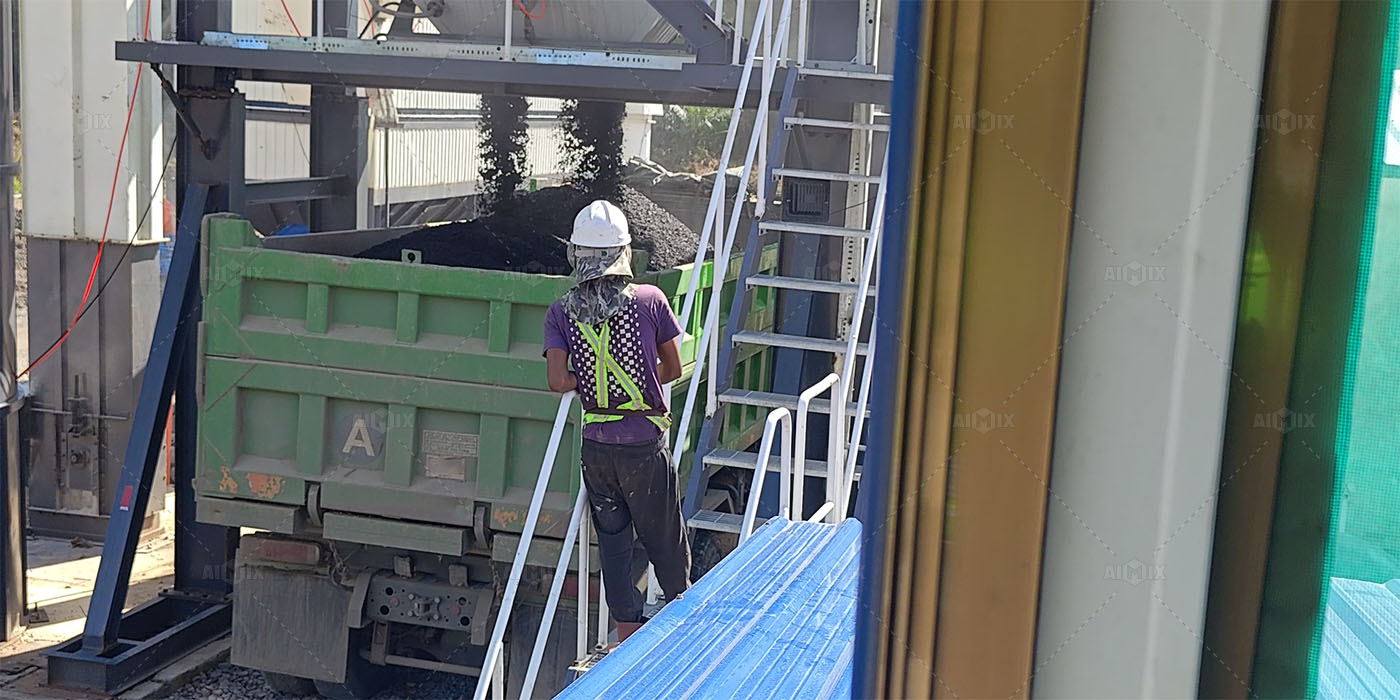
How Burner Efficiency Affects Asphalt Quality
Fuel savings are important, but they are not the only consideration. Stable heating also affects the consistency of asphalt production.
The aggregate must reach an appropriate temperature before mixing. If heating fluctuates significantly, the plant may experience changes in material temperature. That can make it harder for the operator to maintain consistent mix production.
A well-controlled burner helps provide stable heat. In turn, stable heat supports more consistent aggregate drying and heating.
However, burner performance alone does not guarantee asphalt quality. Aggregate gradation, moisture, bitumen content, filler dosing, mixing time, storage conditions, and plant calibration also matter.
What Should Buyers Check Before Choosing The Burner?
Once the importance of fuel efficiency is clear, the next step is to evaluate the burner from an operating perspective. A buyer should ask for measurable information rather than rely on general claims.
1. Ask For The Fuel Consumption Range
Ask the supplier how fuel consumption changes at different production rates. For example, request information for partial-load operation and near-full-load operation.
This is useful because a 160 TPH plant may not operate at 160 TPH all day. Project demand can change. Therefore, the burner should remain efficient across a practical operating range.
2. Check The Fuel Type
Fuel choice affects operating cost and burner configuration. Depending on the project, the plant may use diesel, heavy oil, natural gas, or another suitable fuel.
Local fuel availability also matters. A theoretically efficient burner may not be practical if its fuel is difficult or expensive to obtain at the project location.
3. Check Burner Modulation
A modulating burner can adjust its firing rate according to heat demand. This helps avoid continuously operating at maximum output when the process does not require it.
For a 160 TPH plant, this flexibility can become valuable when aggregate moisture and production demand change during the working day.
4. Check Flame Stability
Stable combustion is essential for stable heating. An unstable flame can create temperature fluctuations and operating interruptions.
Therefore, buyers should consider combustion control, ignition reliability, flame monitoring, and the burner’s ability to operate steadily under different conditions.
5. Check The Dryer And Burner As A Pair
A highly efficient burner cannot compensate for poor heat transfer inside the drying system. If hot gases escape too quickly or the aggregate does not receive enough effective heat, fuel efficiency will suffer.
For this reason, ask the supplier to explain how the burner matches the drying drum and the 160 TPH production requirement.
Fuel Consumption Should Be Evaluated With The Whole Plant
Burner selection is only one part of the energy equation. The complete asphalt plant determines how efficiently the supplied heat becomes useful production.
For example, poor insulation can increase heat loss. Incorrect burner adjustment can waste fuel. Excessive exhaust temperature can indicate that useful heat is leaving the system. High aggregate moisture can increase the heating load. Poor stockpile management can also increase moisture before the material enters the dryer.
Therefore, fuel efficiency comes from the interaction between equipment design and daily operation.
Important Factors Beyond The Burner
- Aggregate moisture and storage conditions
- Dryer drum design and internal flights
- Burner combustion and air-fuel control
- Insulation and heat-loss control
- Exhaust gas temperature
- Production rate and operating load
- Target aggregate temperature
- Fuel quality and fuel supply stability
- Routine burner inspection and adjustment
- Operator experience and plant calibration
Because these factors interact, comparing burner specifications without considering the rest of the plant can lead to an incomplete purchasing decision.

When Does Fuel Efficiency Matter Most?
Fuel efficiency becomes especially important when a 160 TPH asphalt plant operates for long hours or produces large annual volumes.
For example, a contractor supplying asphalt for highways may run the plant for many hours during peak construction periods. An asphalt producer may operate almost every working day. In both cases, fuel is a recurring production cost.
Conversely, a contractor with short-term or irregular production may place more emphasis on mobility, installation time, maintenance access, and project flexibility.
Therefore, the importance of burner fuel consumption depends partly on the project’s production pattern. The higher the cumulative production, the more attention fuel consumption per ton deserves.
How Can A Buyer Estimate The Potential Fuel Impact?
A simple calculation can help buyers understand the scale of the issue.
First, estimate the annual asphalt production. Then, multiply the expected fuel consumption per ton by the annual production volume. Finally, multiply the resulting fuel volume by the local fuel price.
For example, if a plant produces 1,000 tons per day and operates 200 days per year, annual production would reach approximately 200,000 tons. A difference of 0.5 liters per ton would equal about 100,000 liters of fuel over that production volume.
This is only an example. Actual fuel consumption must come from the specific plant, material, fuel, weather, and operating conditions. Nevertheless, the calculation demonstrates why a seemingly small difference can become significant over time.
Should You Choose A 160 TPH Asphalt Plant Based On The Burner Alone?
No. Burner efficiency should be one important selection factor, but it should not become the only criterion.
A reliable 160 TPH asphalt plant needs balanced performance across aggregate feeding, drying, heating, screening, weighing, mixing, bitumen dosing, dust collection, and control systems.
For instance, a plant with excellent fuel efficiency but unstable aggregate feeding may still struggle to maintain consistent production. Likewise, a highly efficient burner cannot solve problems caused by excessive aggregate moisture or poor maintenance.
Therefore, buyers should compare the complete production system and its expected operating cost. When researching different plant configurations, it can also be useful to compare the requirements of a standard plant with those of an HMA plant, especially when the project requires consistent hot mix asphalt production.
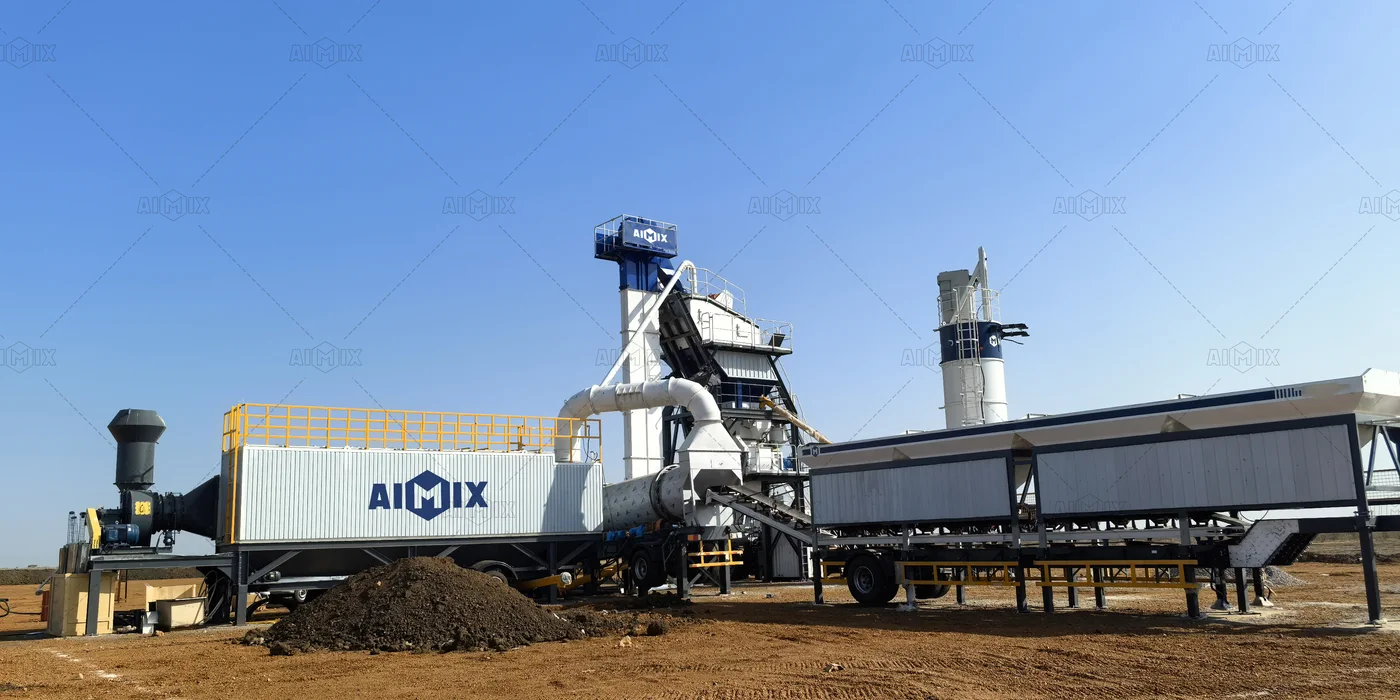
A Practical Checklist For 160 TPH Buyers
Before placing an order, ask the supplier for clear answers to the following questions:
- What fuel type does the burner use?
- What is the burner’s maximum thermal capacity?
- What is the expected fuel consumption per ton under typical conditions?
- How does fuel consumption change with aggregate moisture?
- Can the burner modulate according to production demand?
- How does the burner match the drying drum?
- What aggregate moisture range did the performance data use?
- What aggregate temperature does the system target?
- How does the control system monitor combustion?
- What maintenance does the burner require?
- Are spare burner components available locally or quickly from the supplier?
- Can the supplier provide operating references or project experience for similar production capacities?
These questions move the discussion from marketing claims to measurable operating conditions. More importantly, they help the buyer understand whether the proposed burner matches the actual project.
Why Supplier Experience Also Matters
Burner efficiency is closely connected to plant configuration, commissioning, adjustment, and operating conditions. Therefore, the equipment supplier’s technical experience can affect how effectively the system performs after installation.
A qualified asphalt mixing plant supplier should be able to discuss the relationship between burner capacity, aggregate moisture, dryer performance, production rate, and fuel consumption instead of providing only a standard burner specification.
This is especially useful when the plant will operate in a challenging environment. For example, a project with wet aggregate, long daily operating hours, or changing production requirements may need a different burner configuration from a plant operating with dry aggregate under stable conditions.
Technical support also matters after commissioning. Burner adjustment, routine inspection, spare parts, and operator training can all influence long-term performance. Therefore, buyers should evaluate the supplier’s complete support capability alongside the initial equipment price.
What About Fuel Cost During Wet Seasons?
Seasonal conditions deserve special attention for projects in tropical and rainy regions. Aggregate may absorb additional moisture during extended rainfall, especially when stockpiles remain uncovered or drainage is poor.
As a result, fuel demand can increase even though the nominal plant capacity remains unchanged.
A practical solution involves more than selecting an efficient burner. Operators can also improve aggregate drainage, cover sensitive stockpiles, monitor moisture, maintain the dryer, and adjust burner operation according to real heat demand.
In other words, energy efficiency should be managed throughout the production process.
Low Fuel Consumption Is About Cost Per Ton, Not Just Burner Size
For a 160 TPH asphalt plant, a low-fuel-consumption burner can be important because fuel is a recurring production expense. However, the most useful performance indicator is not simply the burner’s rated size or maximum fuel rate.
The more meaningful question is how efficiently the complete plant converts fuel into properly dried and heated aggregate at the required production rate.
Therefore, buyers should compare fuel consumption per ton, burner control, aggregate moisture conditions, dryer performance, expected production hours, and local fuel prices. At the same time, they should consider maintenance, reliability, emissions requirements, and technical support.
When these factors match the project, a 160 TPH asphalt plant can maintain stable production while controlling one of the most important recurring operating costs.
Final Takeaway For Asphalt Plant Buyers
So, is a low-fuel-consumption burner important for a 160 TPH asphalt plant? Yes, especially for projects with high annual production or long operating hours. But fuel efficiency should be evaluated as part of the complete drying and heating system, not as an isolated burner specification.
If you are planning a 160 TPH asphalt plant, start with your actual project conditions. Consider daily production, annual operating days, aggregate moisture, fuel availability, target mix temperature, local climate, and expected fuel cost. Then ask the supplier to size and configure the burner around those conditions.
A well-matched burner can help reduce unnecessary fuel use, support stable aggregate heating, and improve production cost control. More importantly, it gives you a clearer basis for comparing asphalt plant proposals before you invest.
If you are evaluating a 160 TPH asphalt plant for a road project or commercial asphalt production, share your expected daily output, aggregate moisture conditions, fuel type, and working environment with the equipment supplier. With these details, the burner, dryer, and heating system can be evaluated as one complete solution rather than simply choosing a burner from a specification sheet.