Many small and mid-size contractors face the same struggle every month. They need to pave 5–8 km of roads, but the asphalt supply often holds them back. Delays happen. Costs rise. And margins shrink. Because of this, many contractors start thinking about owning a small asphalt mixing plant. Yet choosing the right model is not easy. You want an asphalt concrete plant that matches your monthly workload, fits your budget, and improves project speed. In this post, I explain how to pick the right asphalt mixing plant for 5–8 km road projects. My goal is to help you make a confident and profitable decision.
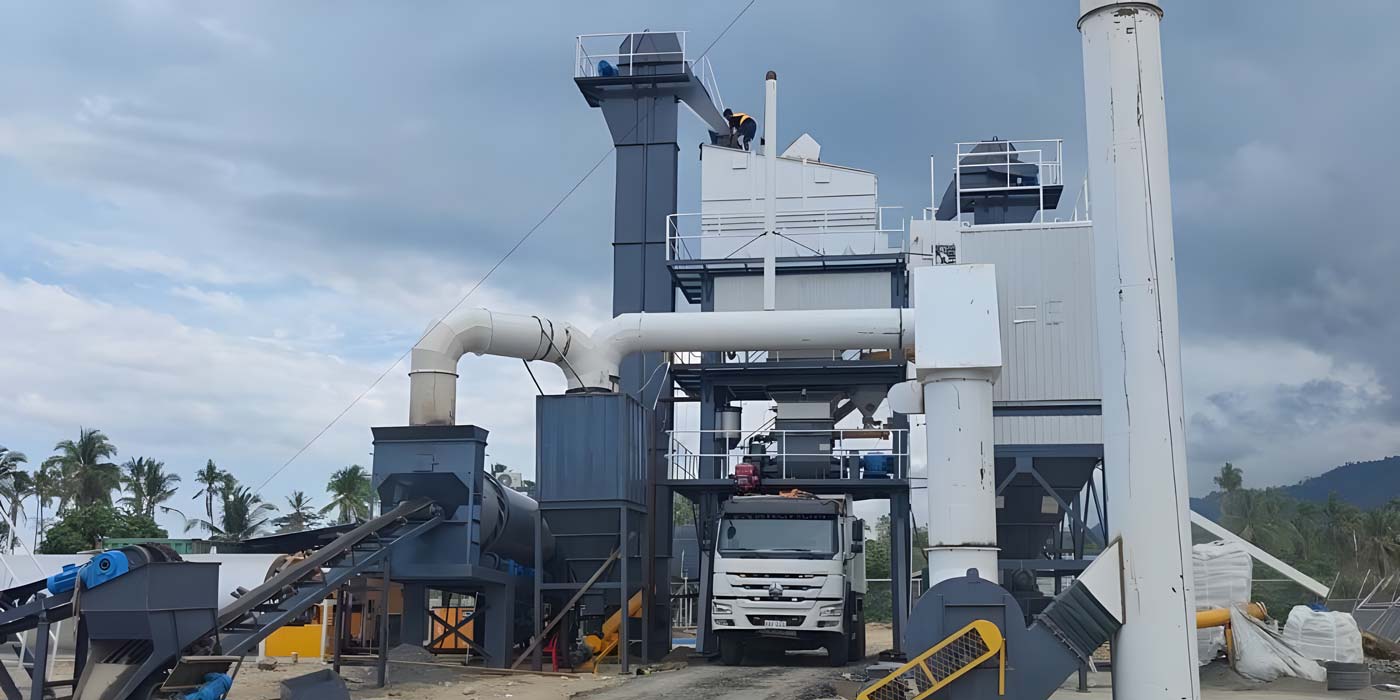
Why Small Contractors Should Consider Their Own Asphalt Supply
Before choosing a plant, it helps to understand why more contractors now invest in their own asphalt production. When you depend on third-party suppliers, you may face inconsistent delivery. Prices change. Quality varies. These issues slow down your schedule and push up operational costs.
However, once you control your own production, every part of your project becomes easier. You plan your work better. You reduce material costs. You avoid long transport distances. You also protect your profit margin because you no longer pay for someone else’s production capacity.
Now that we know the advantages, let’s move to the next logical question: what capacity fits the 5–8 km monthly workload?
How Much Asphalt Do You Actually Need for 5–8 km of Road?
To choose a plant, you first need to calculate monthly asphalt demand. Although each project is different, most contractors follow similar standards for road thickness and width. When we consider a 5–8 km road, the total asphalt requirement falls between 1,500 and 3,000 tons per month. This range depends on road width, layer thickness, and compaction factors.
With this demand in mind, we can narrow our focus to small and medium asphalt plants. They provide enough capacity for monthly paving while keeping investment costs manageable.
Next, let’s compare two common types of asphalt plants for small contractors.
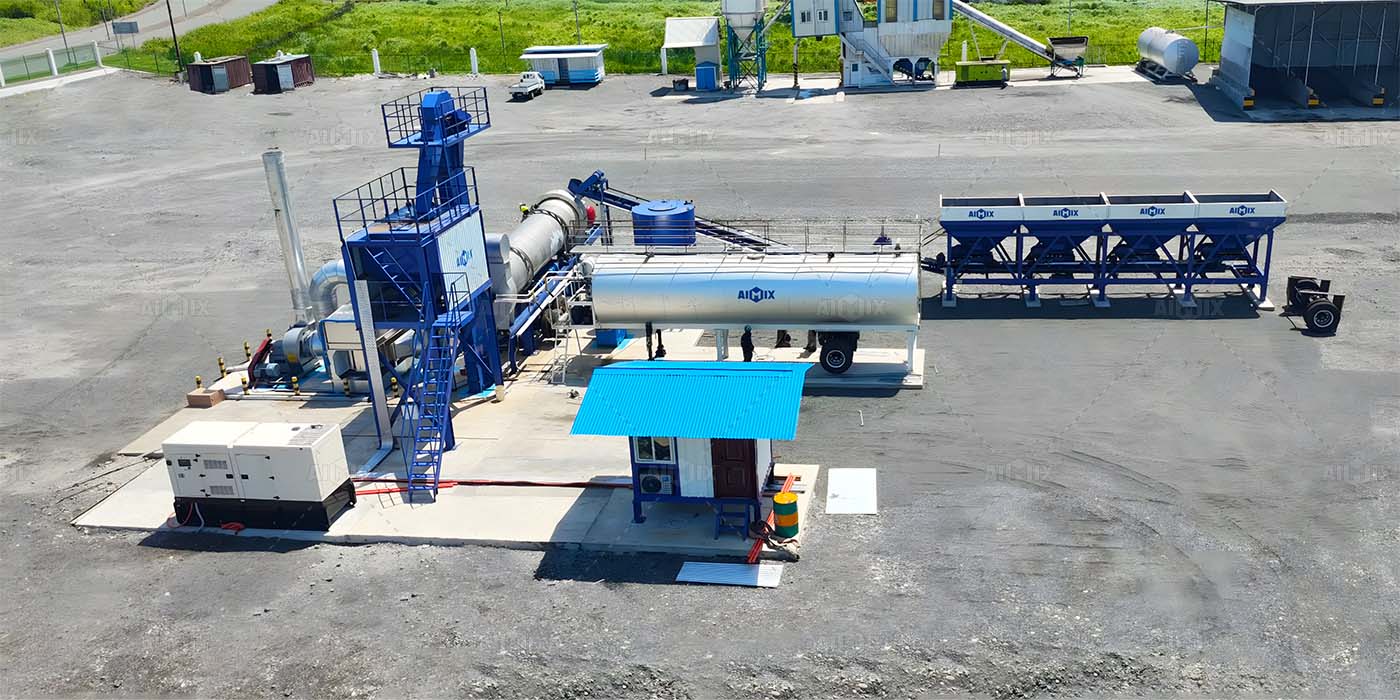
Drum Mix vs. Batch Mix: Which Type Matches Small Monthly Output?
Most contractors choosing their first plant compare two options: drum mix and batch mix. Each type has strengths. Because your workload is moderate, the right choice depends on your project style, quality needs, and business goals.
Drum Mix Plant: Simple, Cost-Efficient, and Fast
A drum mix plant fits contractors who want simple operation, low maintenance, and stable output. It heats and mixes aggregates and bitumen in a continuous process. Because of this, it delivers steady production with fewer moving parts. Many contractors prefer drum plants because they reduce running costs. They also speed up production during busy weeks.
Batch Mix Plant: Higher Control and Stronger Flexibility
Batch mix asphalt plants offer more precise asphalt recipes. You can produce different mix designs for multiple layers or different clients. The plant weighs materials in each batch, so the final asphalt has consistent quality. If your projects require strict mix control or if you supply asphalt to other clients, a batch plant becomes a good long-term option.
Now that we understand the differences, we can explore which specific capacities fit 5–8 km workloads.
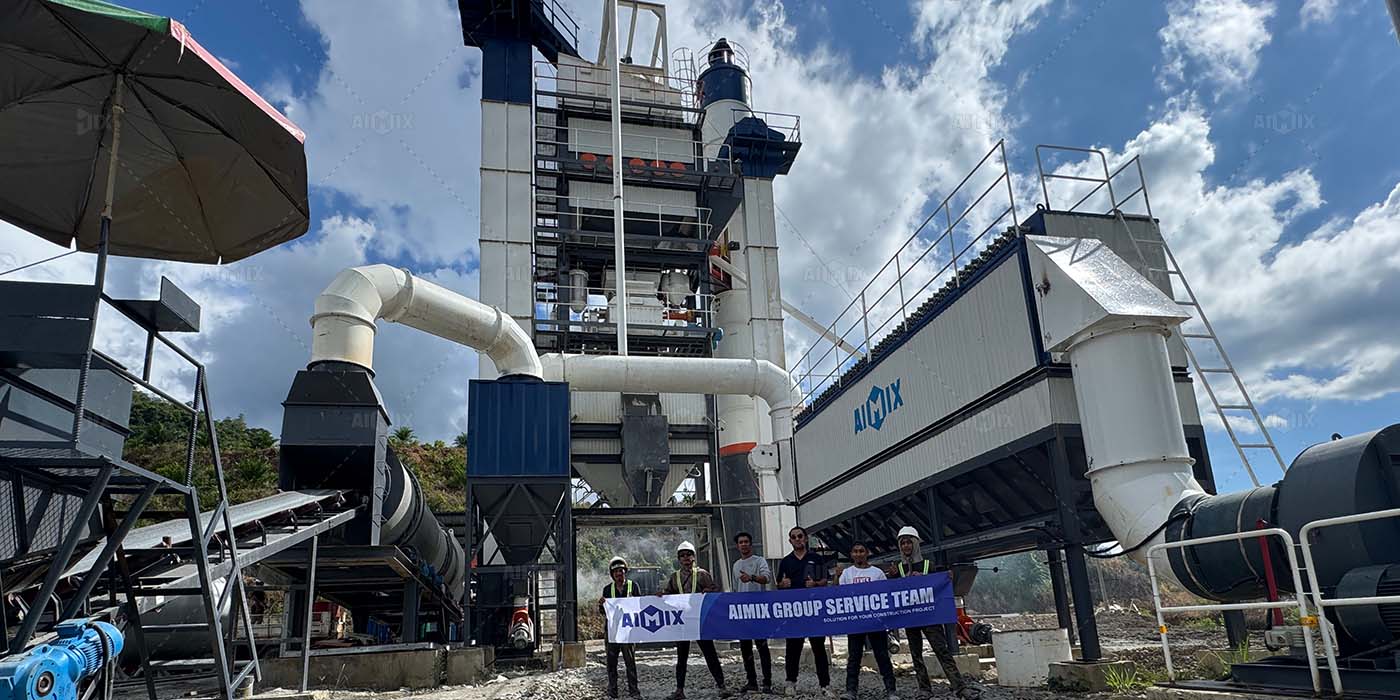
Recommended Asphalt Mixing Plant Capacities for 5–8 km Roads
Your required capacity must match your monthly demand. At the same time, you need enough flexibility to handle peak days. Many small contractors now work with tight schedules. Because of this, choosing the right capacity ensures smooth project flow.
40–60 TPH Drum Mix Plants
These plants suit contractors with steady, small-volume work. They produce around 300–450 tons per day based on an 8-hour shift. This output fits contractors doing 5 km of road per month with moderate thickness. These models are also easy to transport and install. If your projects are in rural areas, this mobility helps a lot.
60–80 TPH Drum Mix Plants
Many small contractors choose this range because it balances cost and performance. The asphalt drum mix plant for sale can produce around 500–650 tons per day. With this output, you can finish 5–8 km roads comfortably within the month. This capacity also gives room for extra work when the schedule gets tight.
80–100 TPH Batch Mix Plants
If your work requires more precise mixes, this is the ideal size. You can handle multiple asphalt grades, such as base, binder, and wearing courses. Your monthly output remains strong, and you gain full mix flexibility. Contractors who aim to grow their business or supply asphalt to others often choose this capacity.
After reviewing capacities, let’s move into other factors that influence the final decision.
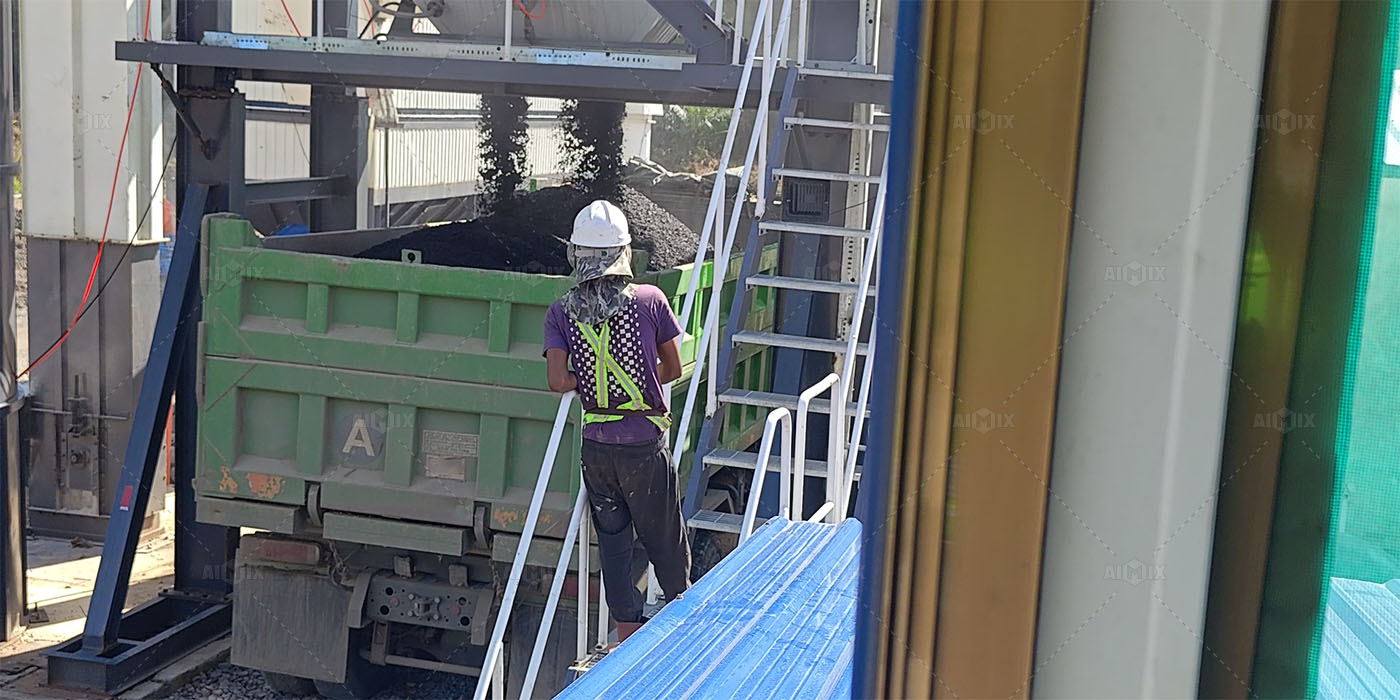
Key Factors Small Contractors Must Evaluate Before Buying
Choosing capacity is only the beginning. To run a profitable plant, you also need to consider fuel cost, mobility, site selection, transportation distances, and your team’s operating skills. These factors affect your long-term cost and performance.
1. Fuel Type and Consumption
Fuel cost impacts profit every month. You should check whether diesel, heavy oil, LPG, or gas fits your location. Fuel availability influences both running cost and production stability. Because you pave 5–8 km monthly, efficient fuel use gives you a clear advantage.
2. Mobility and Installation Time
Small contractors often move from one site to another. Because of this, a mobile or modular asphalt plant may save time and money. Drum mix plants move faster, while batch plants need more setup time. You should match the plant structure with your project cycle.
3. Asphalt Transport Distance
Transporting asphalt too far reduces quality and increases cost. Because asphalt cools fast, you should select a plant location within 20–25 km of your site. If your projects are spread out, a mobile plant becomes a more flexible choice.
4. Operator Skill Level
Some contractors worry about complex operation. Drum plants are easy to run and maintain. Batch plants require more control and training. When your workforce is small, choosing a simpler system saves time and reduces mistakes.
Once you evaluate these factors, it becomes easier to decide which aspal mixing plant mini suits your monthly volume and business goals.
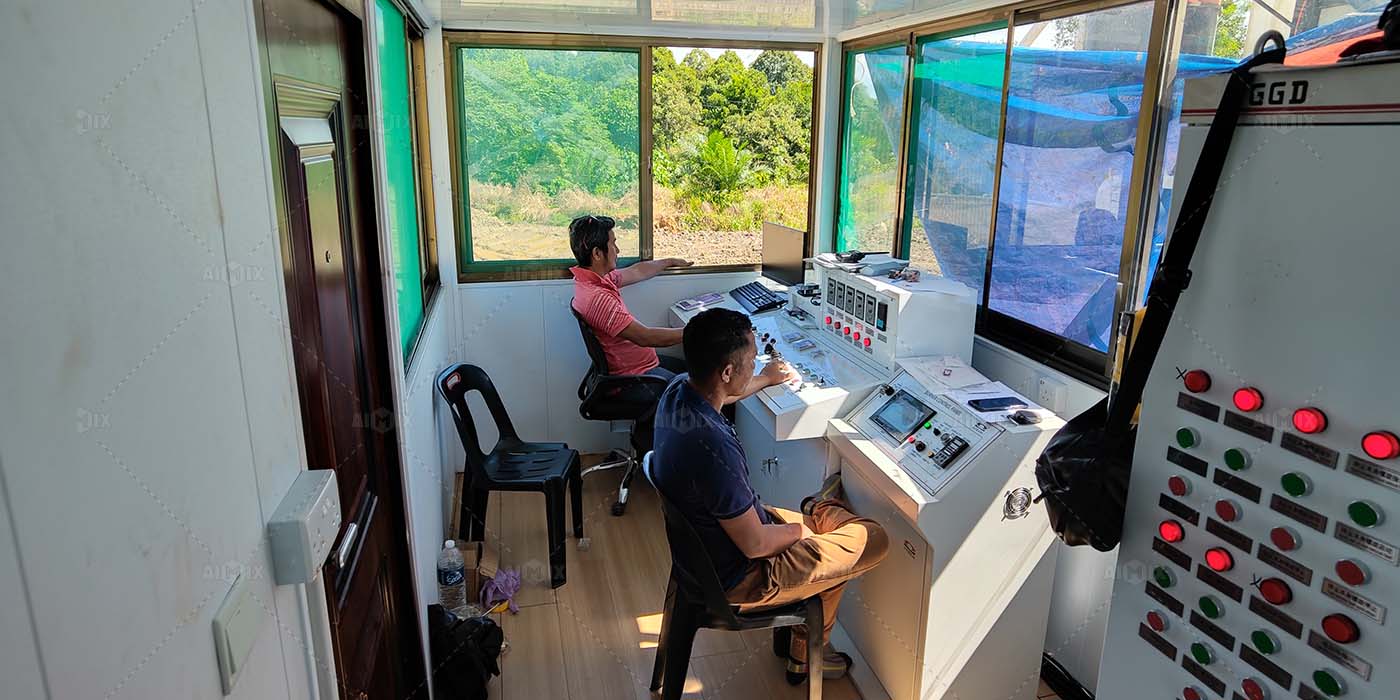
Which Asphalt Mixing Plant Is the Best Match for 5–8 km per Month?
For most small contractors, a 60–80 TPH drum mix plant provides the best balance. It delivers enough capacity for monthly work. It also keeps investment cost low. You enjoy simple operation and steady output. If you need higher mix accuracy or plan to supply asphalt to other clients, then an 80–100 TPH batch mix plant is the smarter choice.
Both options help you control your schedule, reduce material costs, and improve your competitiveness in your local market.
How I Support Contractors in Indonesia With Practical Solutions
I work closely with contractors in Indonesia who pave roads every month. Many face pressure from tight deadlines and high material costs. Because I understand these challenges, I always recommend the plant size that fits real monthly workloads. I also help with layout planning, transport calculation, fuel selection, installation preparation, and staff training. My goal is to make your investment safe and profitable from day one.
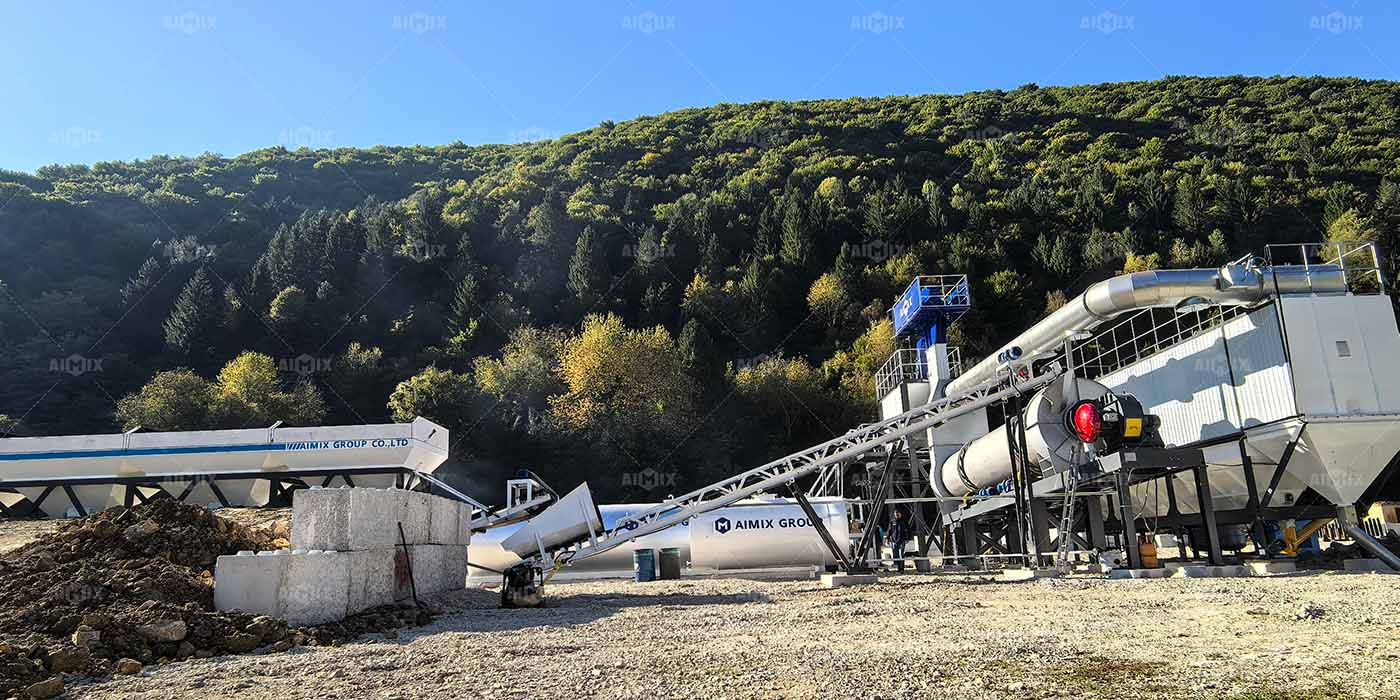
Take the Next Step and Get a Practical Recommendation
If you want to know which plant matches your exact road length, thickness, and working schedule, I can help. Share your monthly paving plan, distance to quarry, preferred fuel type, and expected start date. I will calculate your required capacity and suggest the best asphalt mixing plant for long-term success. Message me today to get a detailed, practical, and personalized solution.