Selecting the right gantry crane is one of the most important decisions for any business involved in heavy lifting, material handling, manufacturing, logistics, shipbuilding, steel production, precast concrete, or warehouse operations. A gantry crane is a long-term investment. Its performance, safety, and efficiency directly affect operational productivity, running costs, and workplace safety. Therefore, understanding the key specifications before making a purchase is essential to ensure the crane matches your working conditions and long-term needs.
This article explains the most important specifications to consider when you buy gantry crane. Whether you are looking for a light-duty portable gantry crane or a heavy-duty double girder gantry crane up to hundreds of tons, these factors will guide you toward the right choice.
1. Load Capacity (Ton Rating)
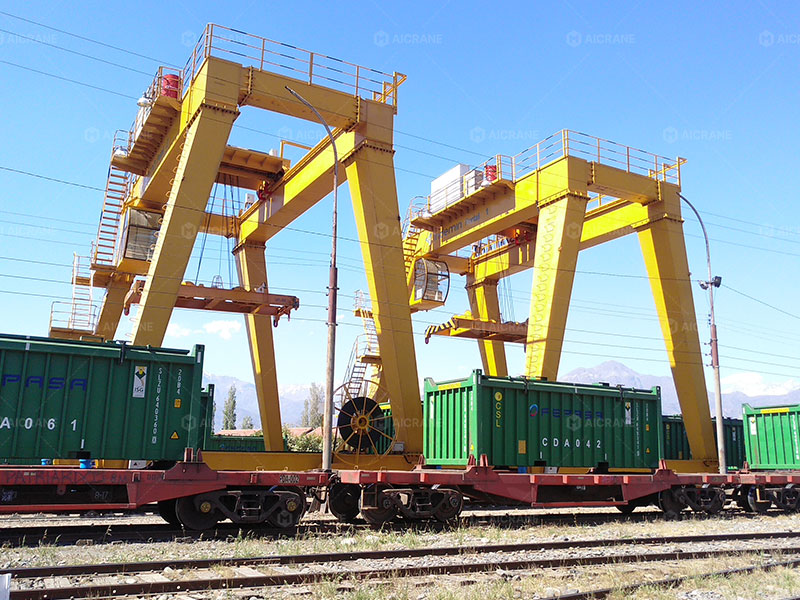
Load capacity is the first and most fundamental specification when selecting a gantry crane. It defines the maximum weight the crane can safely lift. Common capacities range from small 1–20 ton light-duty models to medium 30-50 ton gantry cranes and heavy-duty units from 100 tons up to 500 tons or more.
Key questions to consider:
-
What is the maximum load weight in your daily operation?
-
Will you lift single heavy items, long materials, or multiple loads at once?
-
Are there future capacity expansion plans?
It is important not to choose a crane that barely meets your current load requirements. Undersized cranes reduce efficiency and increase safety risks. Oversized cranes, on the other hand, increase procurement costs unnecessarily. A balanced and future-oriented approach is recommended.
2. Span (Distance Between Rails or Legs)
The span refers to the distance between the two legs of the gantry crane or the distance between the rails in the case of a rail mounted gantry. Span affects the crane’s coverage area and installation cost.
Large spans allow for handling bulk materials or wide workspaces such as shipyards and container yards. Smaller spans are suitable for compact workshops or manufacturing lines.
When determining the span:
-
Consider the width of the working area and required diagonal movement
-
Ensure the span aligns with existing buildings or rail foundations
-
Avoid unnecessary over-spanning, which may increase costs and structural load
Correct span selection ensures smooth material flow and reduces structural stress on the crane.
3. Lifting Height (Hook Height)
Lifting height refers to the maximum distance the hook can reach vertically. This specification becomes especially important in:
-
Precast concrete factories
-
Steel fabrication workshops
-
Warehouses with tall racks
-
Shipyards and ports
-
Container handling operations
If the lifting height is too low, the crane cannot lift or rotate loads effectively. If it is too high, the crane becomes unnecessarily large and costly. Consider:
-
The height of the load itself
-
Clearance requirements for stacking and rotating
-
Potential obstacles (pipes, beams, machinery)
4. Work Duty and Usage Frequency (FEM/ISO Classification)
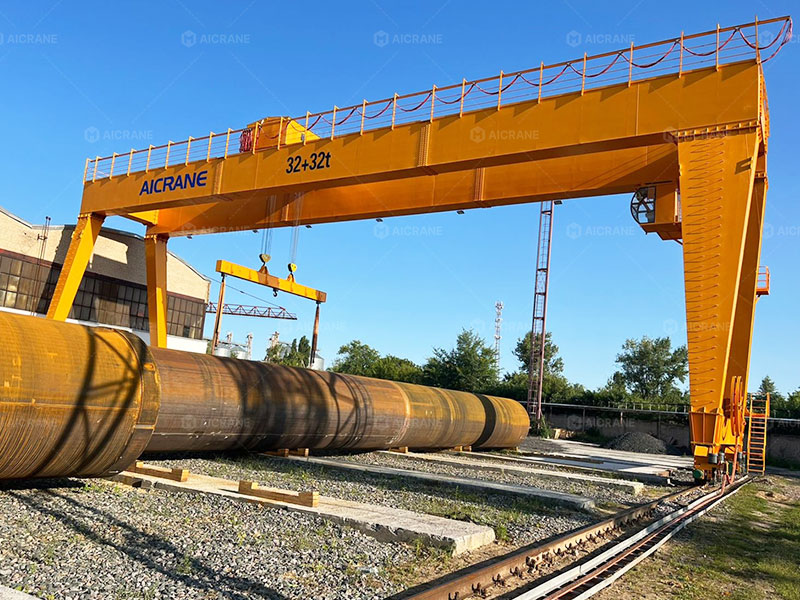
Work duty determines the crane’s durability and expected performance under specific working conditions. Cranes used for continuous heavy lifting require higher duty ratings.
Common classifications include:
-
A3–A4: Light to medium duty – workshops, small factories
-
A5: Medium to heavy duty – steel warehouses, logistics centers
-
A6–A7: Heavy to severe duty – ports, shipyards, mining, container handling
A crane with insufficient work duty will wear out quickly, require more frequent repairs, and lead to safety hazards. Therefore, match the duty cycle with your actual operation frequency.
5. Crane Traveling Mechanism (Rail-Mounted or Rubber Tyred)
The crane traveling mechanism determines how the crane moves across the working area.
Rail-Mounted Gantry (RMG)
-
Runs on steel rails
-
Ideal for heavy-duty, long-distance, fixed routes
-
Common in container yards, steel plants, mining, and precast concrete factories
Rubber Tyred Gantry (RTG)
-
Uses rubber wheels – high mobility
-
Flexible path adjustments
-
Suitable for outdoor yards, port logistics, or multiple working zones
Choosing between RMG and RTG crane depends on whether your operations require fixed routes or flexible movement.
6. Girder Configuration (Single vs. Double Girder)
Single Girder Gantry Cranes
-
Cost-efficient
-
Lightweight structure
-
Suitable for small to medium lifting (1–20 tons)
-
Lower installation and maintenance cost
Double Girder Gantry Cranes
-
Higher load capacity (20 tons to 500 tons or more)
-
Larger span and lifting height available
-
Suitable for heavy-duty continuous use
-
More stable, durable, and versatile
The girder type affects the crane’s weight, cost, lifting performance, and application range.
7. Trolley and Hoist Specifications
The trolley and hoist are the core lifting mechanisms. When buying a gantry crane, consider:
-
Hoist type: wire rope hoist or chain hoist
-
Lifting speed and dual-speed or variable frequency options
-
Trolley traveling speed
-
Hoist motor brand and durability rating
-
Foot-mounted vs. monorail-mounted hoists
High-quality hoists ensure stable lifting, precise load control, and long service life.
8. Control Mode (Cabin, Remote, or Pendant)
Crane control modes vary based on operational preferences and safety needs.
Options include:
-
Cabin control: For heavy-duty gantry cranes, ports, or long-distance operations
-
Remote control: Enhances safety and visibility; ideal for hazardous or confined areas
-
Pendant control: Simple and cost-effective for small cranes
Modern cranes often use radio remote controls paired with backup pendant systems.
9. Power Supply Method
Depending on the crane type, power supply options may include:
-
Cable reels
-
Busbar systems
-
Diesel generators (for mobile RTGs)
-
Hybrid or electric RTG systems
The power supply impacts energy efficiency, installation complexity, and operating costs.
10. Environmental and Working Conditions
The environment plays a significant role in crane specification selection. Factors include:
-
Indoor or outdoor installation
-
High humidity or corrosive environments (chemical plants, coastal areas)
-
Extreme cold or heat
-
Dusty or abrasive conditions (mining, cement plants)
-
Wind load requirements for outdoor cranes
-
Anti-rust and anti-corrosion treatments
Durability upgrades – such as galvanized components, IP65 motors, or sand-proof enclosures – are essential for harsh environments.
11. Safety Features and Protection Systems
Safety is a critical specification. Modern gantry cranes offer a variety of safety protection systems such as:
-
Overload protection
-
Anti-sway systems
-
Emergency stop buttons
-
Limit switches (lifting, traveling)
-
Rail clamps and storm brakes
-
Collision prevention systems
-
CCTV monitoring
-
Anemometers for outdoor cranes
Advanced safety systems significantly reduce accidents and downtime.
12. Customization Options
Every industry has unique needs. Customization may include:
-
Cantilevers for side loading
-
Special lifting devices (spreader, grabs, magnets, C-hooks)
-
Speed control systems
-
Intelligent load positioning
-
Automatic container handling (for RMGs and RTGs)
A supplier with strong engineering capability can tailor the crane to perfectly fit your operations.
Conclusion
Choosing the right gantry crane requires a detailed understanding of key specifications such as load capacity, span, lifting height, work duty, girder design, control mode, and environmental factors. A carefully selected crane improves safety, enhances productivity, minimizes maintenance costs, and ensures long-term reliability.