Fuel is one of the major operating costs for asphalt production in South Africa. This is especially important for contractors running asphalt plants for long-term road projects, highway maintenance, municipal roads, and remote construction sites. A plant with high fuel consumption can quickly increase the cost of every ton of asphalt.
However, buying a larger burner or simply choosing a higher-capacity plant does not automatically reduce fuel costs. The real savings come from how efficiently the plant dries aggregates, transfers heat, controls combustion, manages asphalt production, and handles recycled materials.
Therefore, South African buyers should evaluate the complete asphalt plant model configuration instead of looking at one component alone. The right configuration should match local aggregate conditions, production demand, project duration, and operating environment.
So, what asphalt mixing plant features can actually help reduce fuel costs in South Africa? The most important factors include efficient aggregate drying, precise burner control, moisture management, thermal insulation, variable-speed drives, heat recovery opportunities, RAP compatibility, and stable production control.
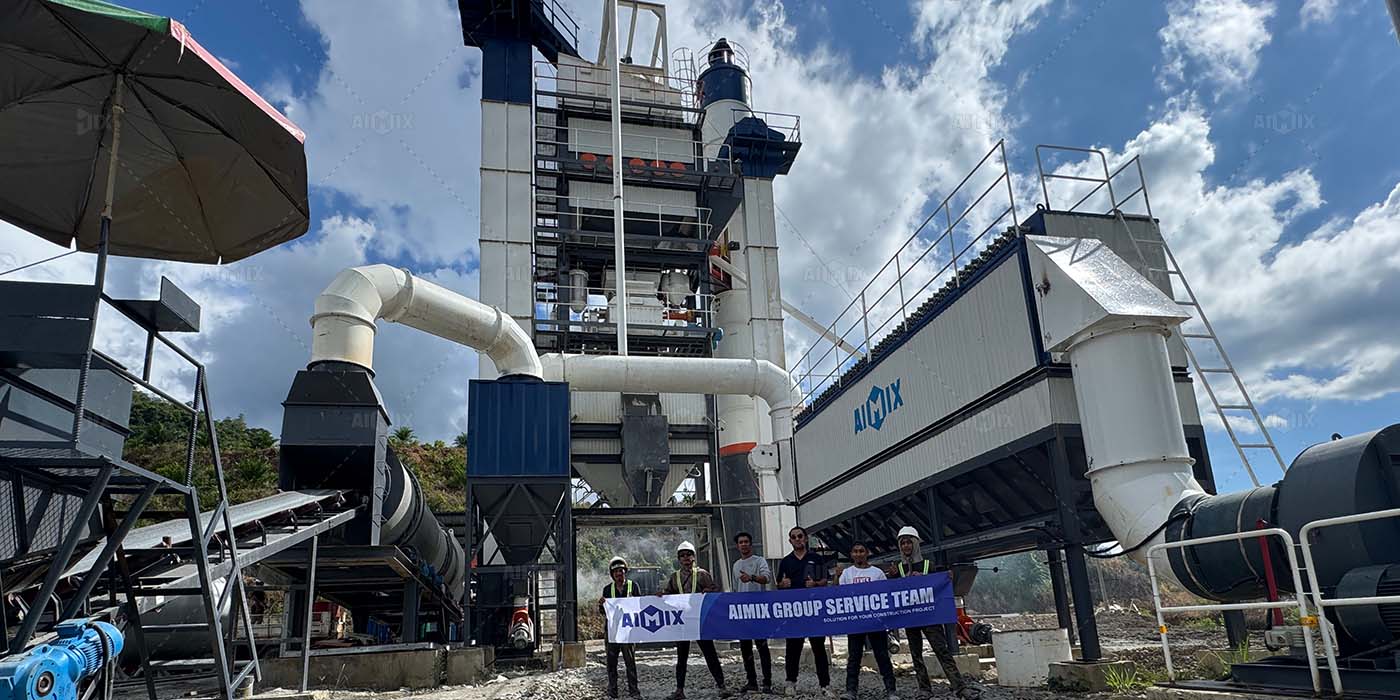
Why Do Fuel Costs Matter So Much For South African Asphalt Producers?
Before selecting equipment, it helps to understand where fuel consumption comes from. An asphalt mixing plant uses fuel mainly to heat and dry cold aggregates. The burner supplies the thermal energy required to remove moisture and raise aggregate temperature to the required mixing range.
Therefore, aggregate moisture has a direct influence on fuel consumption. When wet aggregates enter the dryer, the plant must spend additional energy evaporating that water before the aggregate can reach the required temperature.
This becomes important in South Africa because contractors may operate in very different conditions. Projects can range from dry inland areas to wetter coastal regions. Aggregate sources also vary by location. Some quarries may provide relatively dry material, while stockpiles can absorb considerable moisture after rainfall.
As a result, two plants with the same rated capacity can have different actual fuel consumption. The difference often comes from material moisture, burner adjustment, dryer efficiency, production stability, and operator control.
For this reason, fuel efficiency should be evaluated in terms such as liters of fuel per ton of finished asphalt, not only by burner power or plant capacity.
Which Plant Features Have The Biggest Impact On Fuel Consumption?
Not every feature contributes equally to fuel savings. The strongest impact normally comes from the drying and heating system because this process requires most of the plant’s thermal energy.
At the same time, supporting systems can reduce unnecessary energy loss and help the burner operate closer to its optimum range. Therefore, buyers should evaluate the following features together.
1. Efficient Aggregate Drying Drum
The dryer drum plays a central role in fuel consumption. Its job is to transfer heat from the burner flame and hot gases to the aggregates while removing moisture.
A well-designed drying drum improves heat transfer between hot gases and aggregates. It also provides sufficient residence time for the material to reach the required temperature.
For a South African contractor, this means the plant can potentially produce the required asphalt temperature without using more fuel than necessary.
However, dryer design should match the actual aggregate conditions. A plant working with wet quarry material needs different thermal performance from a plant using dry aggregates.
2. High-Efficiency Burner With Precise Control
The burner is another critical component. An inefficient burner can waste fuel even when the dryer itself has a good design.
A modern asphalt plant should allow accurate control of fuel and combustion air. Automatic burner adjustment can help maintain stable combustion as production conditions change.
For example, the required heat input can change when aggregate moisture increases, production decreases, or the asphalt mix design changes. Precise control helps avoid continuously running the burner at a higher output than necessary.
South African buyers should therefore ask suppliers about burner modulation, combustion control, ignition reliability, fuel compatibility, and adjustment ranges.
3. Variable Frequency Drives For Key Motors
Variable frequency drives, or VFDs, can improve the overall energy efficiency of an asphalt plant. They allow selected motors to operate according to actual operating requirements instead of running continuously at full speed.
VFDs are particularly useful for systems such as fans, conveyors, feeders, and other auxiliary equipment where operating demand can vary.
Although electricity savings are different from direct fuel savings, lower auxiliary power demand can reduce the total operating cost of the plant. More importantly, coordinated control can help the plant maintain stable production without unnecessary equipment operation.
4. Proper Thermal Insulation
Heat loss is an invisible operating cost. If hot surfaces and material transfer areas lose excessive heat, the burner must provide additional energy to maintain the required temperature.
Good insulation around the dryer, hot material areas, and other high-temperature components can reduce unnecessary heat loss.
This feature becomes more valuable during long production shifts. Even a small reduction in heat loss can become meaningful when the plant operates for hundreds or thousands of hours each year.
Therefore, insulation should not be treated as a minor construction detail. It is part of the plant’s thermal efficiency.
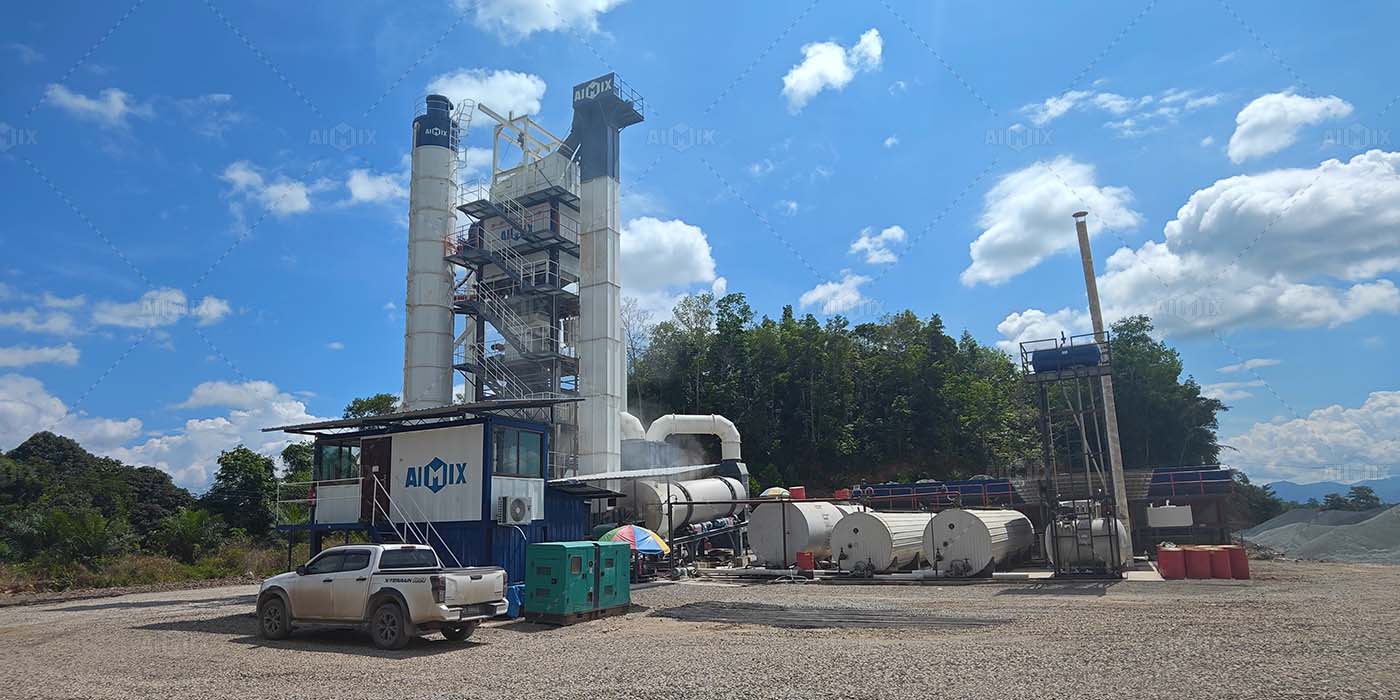
How Does Aggregate Moisture Affect Fuel Costs?
Among all factors that contractors can control, aggregate moisture deserves special attention. Water requires substantial thermal energy to evaporate. Consequently, wetter aggregates require more fuel during drying.
This creates an important connection between quarry management and asphalt plant fuel consumption.
If aggregates remain exposed to rainfall before production, their moisture content can increase. Poor stockpile drainage can create a similar problem. The plant then needs more thermal energy to achieve the same final aggregate temperature.
Therefore, fuel reduction does not start at the burner. It can start at the aggregate stockpile.
Better Stockpile Management Can Reduce Energy Demand
Contractors can improve the situation by separating different aggregate sizes and maintaining effective drainage around stockpiles. Covering critical materials can also help in locations where rainfall frequently affects aggregate moisture.
These practices do not require a new asphalt plant. However, they can improve the operating conditions of an existing plant.
For this reason, an equipment supplier should consider the complete production process when recommending a plant for a South African project.
Can RAP Help Reduce Asphalt Plant Fuel Costs?
Reclaimed asphalt pavement, or RAP, can create both material and energy-saving opportunities when the plant is properly designed for it.
RAP already contains asphalt binder and aggregate that have previously been heated and processed. Reusing this material can reduce the amount of virgin material required for certain asphalt mixtures.
However, RAP integration requires proper system design. The plant needs suitable RAP feeding, temperature control, and material handling. Excessive heating can also damage the aged binder.
Therefore, buyers should not simply ask whether an asphalt plant “supports RAP.” They should ask how the plant handles RAP, what RAP percentage the proposed system is designed to process, and how the system controls temperature during production.
For South African contractors involved in road rehabilitation and maintenance, this can be particularly relevant because milling and reuse of existing asphalt can form part of the project’s material strategy.
| Fuel-Saving Feature | How It Helps | What Buyers Should Check |
|---|---|---|
| Efficient Dryer Drum | Improves heat transfer during aggregate drying | Drum design, flights, residence time, and thermal performance |
| Automatic Burner Control | Matches heat input with changing production conditions | Modulation range and combustion control |
| Aggregate Moisture Management | Reduces energy needed to evaporate water | Stockpile drainage, material storage, and moisture conditions |
| Thermal Insulation | Limits unnecessary heat loss | Insulation quality around high-temperature areas |
| RAP System | Allows controlled reuse of reclaimed asphalt | RAP feeding, temperature control, and target RAP ratio |
| Variable Frequency Drives | Reduces unnecessary auxiliary energy consumption | Which motors use variable-speed control |
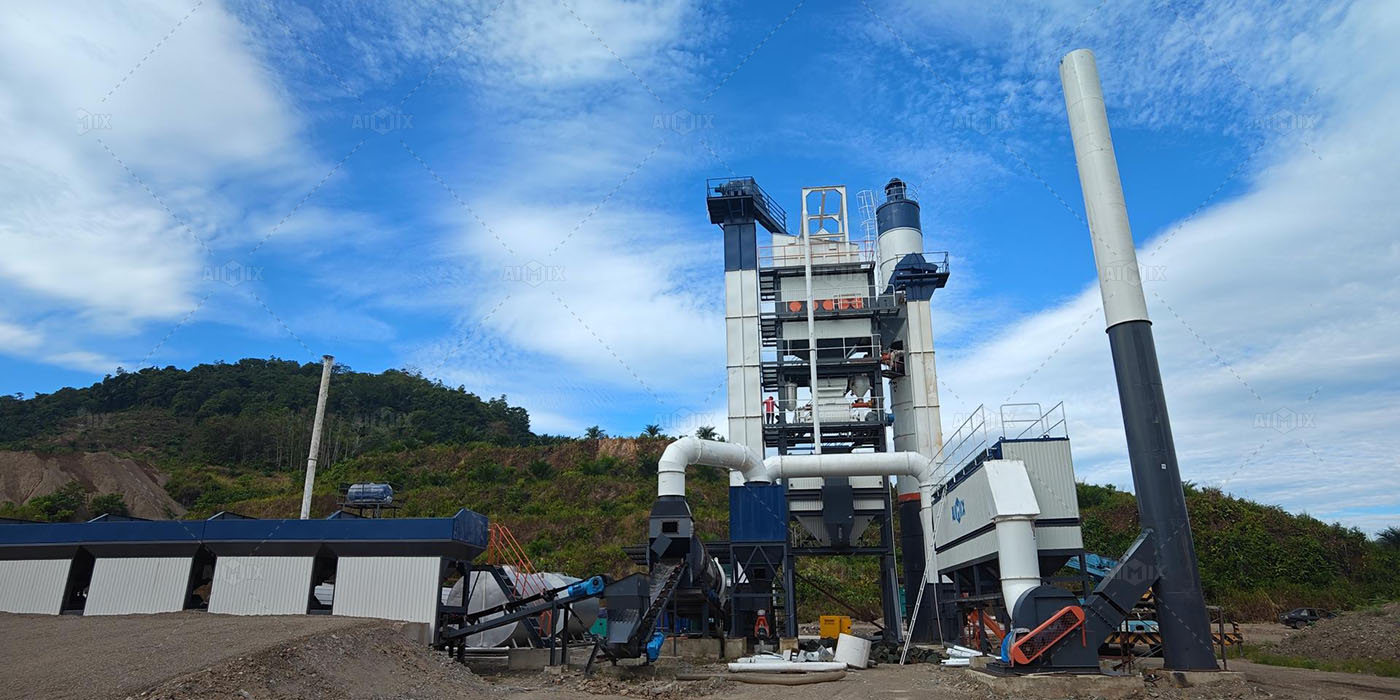
Why Is Burner Control More Important Than Simply Choosing A Bigger Burner?
Some buyers focus on burner size because they believe a powerful burner will guarantee faster production. However, oversized thermal capacity does not necessarily mean lower fuel consumption.
If the burner supplies more heat than the material requires, the excess energy can leave the system through exhaust gases or increase heat losses.
A better approach is to select a burner that matches the plant capacity and operating conditions. The control system should then adjust the heat input according to actual material demand.
For example, a plant producing below its maximum capacity should not need to consume fuel as if it were operating at full production. Automatic control can help match burner output to actual demand.
Therefore, South African buyers should evaluate burner efficiency plus control accuracy, rather than looking only at maximum burner capacity.
How Can Stable Production Reduce Fuel Waste?
Frequent production interruptions can also increase operating costs. Every start-up and shutdown requires additional operational steps. The plant may also need time to reach stable operating temperatures again.
For projects with predictable asphalt demand, stable continuous production can improve thermal efficiency.
This is one reason why plant capacity should match the project’s actual production requirements. A contractor does not always benefit from purchasing the largest possible plant.
For example, a road project that consistently requires around 70 to 90 tons of asphalt per hour may benefit more from a properly matched plant than from an oversized system that frequently operates far below its rated capacity.
In other words, the right-sized asphalt plant can be more economical than the biggest asphalt plant.
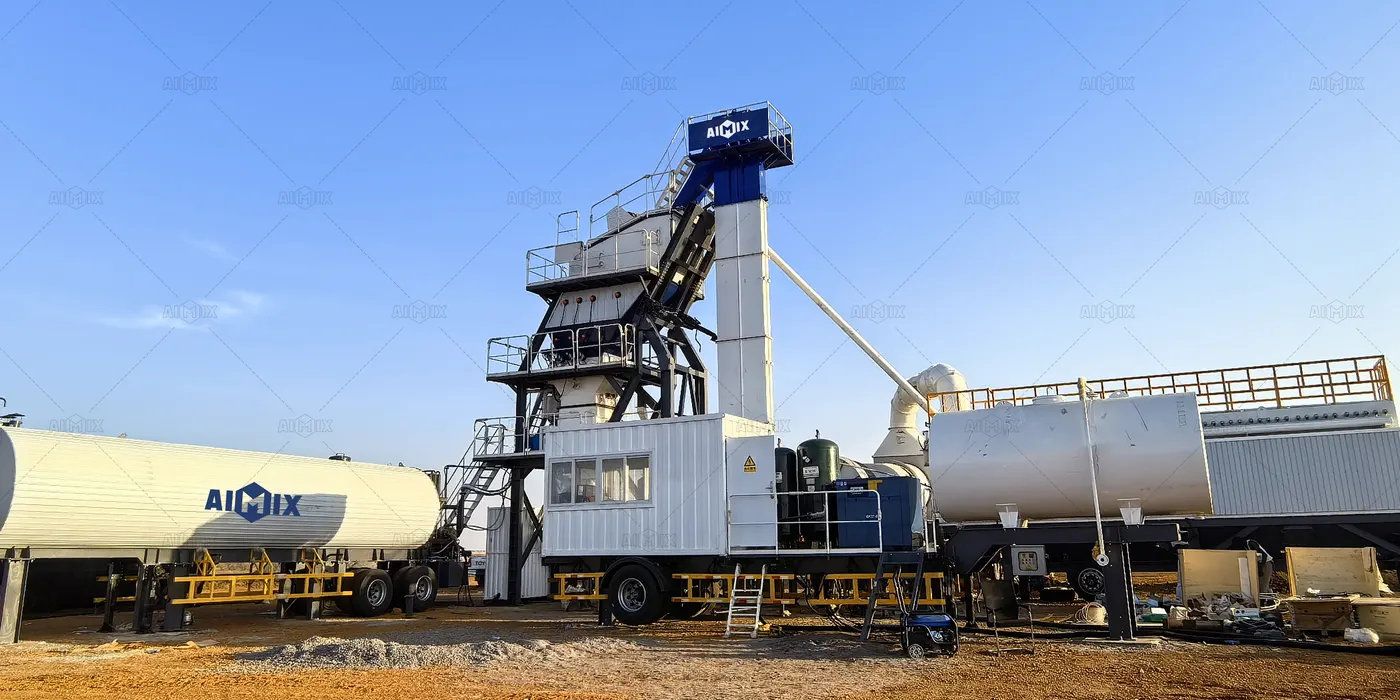
Does Production Capacity Affect Fuel Efficiency?
Yes, but capacity alone does not determine fuel consumption. The key issue is how the plant operates relative to its design capacity.
A plant should have enough capacity to meet peak project demand. However, it should also operate efficiently during normal production.
South African contractors should estimate several factors before choosing capacity:
- Required asphalt output per hour.
- Total daily asphalt demand.
- Expected working hours per shift.
- Project duration.
- Aggregate moisture conditions.
- Required asphalt mix types.
- Expected RAP usage.
- Distance between the plant and construction site.
This calculation gives a more realistic basis for plant selection than choosing capacity from the project name alone.
What Fuel Efficiency Data Should South African Buyers Request?
Buyers should request measurable information before signing an equipment contract. A supplier should explain the conditions behind any fuel-consumption figure.
For example, fuel consumption depends on aggregate moisture, ambient conditions, fuel type, production rate, asphalt temperature, RAP percentage, and mix design.
Therefore, a fuel-consumption number without operating conditions has limited value.
Ask For A Comparable Fuel Consumption Basis
Ask the supplier to explain fuel consumption in liters per ton under clearly defined operating conditions.
Then compare different plants using similar assumptions. This creates a more useful procurement benchmark.
It is also useful to ask whether the supplier can provide commissioning support and burner adjustment. Correct installation and tuning can strongly affect actual operating performance.
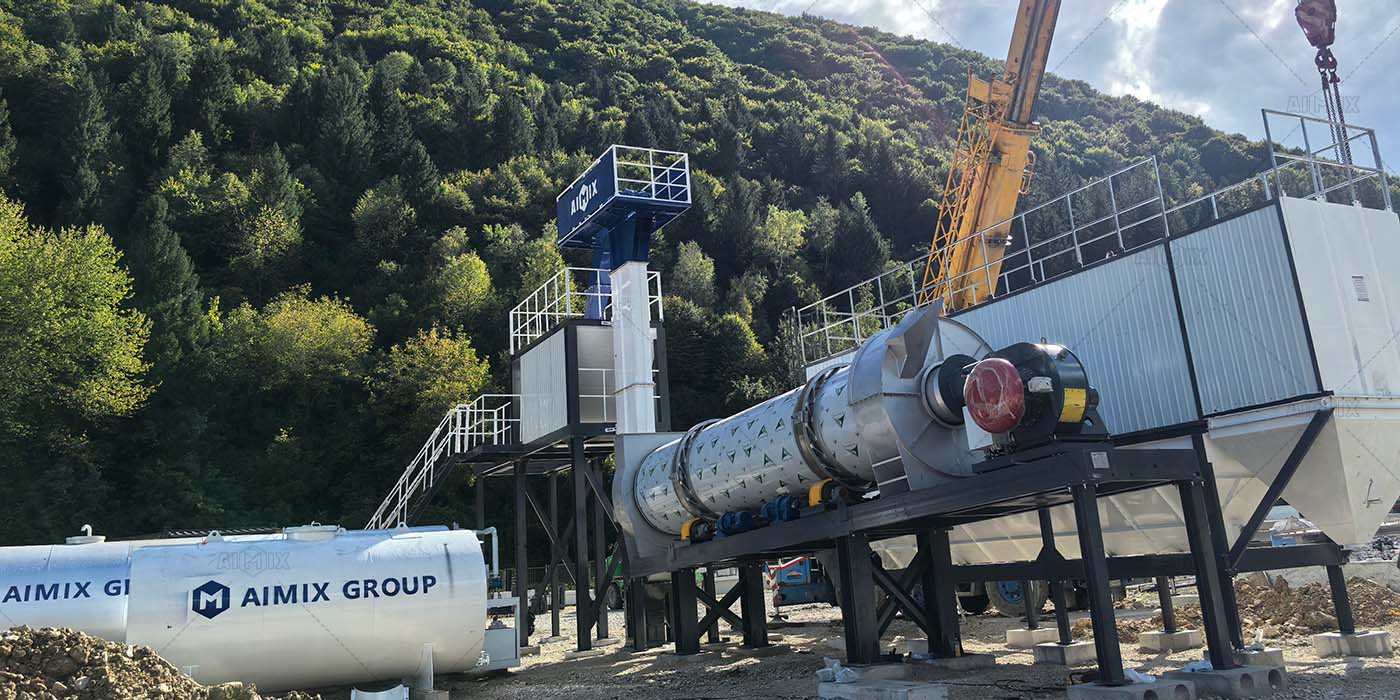
Which Asphalt Plant Is Suitable For Different South African Projects?
The best configuration depends on the project. However, contractors can use a practical priority list when comparing plants.
For Long-Term Highway Projects
Prioritize stable production, efficient drying, automatic burner control, reliable dust collection, thermal insulation, and easy maintenance.
Long-term projects provide enough operating hours for small efficiency differences to accumulate into meaningful costs.
Contractors comparing an asphalt plant for sale in South Africa should therefore evaluate expected lifetime operating costs instead of focusing only on the initial quotation.
For Remote Road Projects
Focus on fuel efficiency, reliable components, simple maintenance, spare-parts availability, and suitable plant mobility.
Remote locations can increase the cost of maintenance and downtime. A fuel-saving feature has more value when the plant also remains reliable under difficult site conditions.
For Road Rehabilitation Projects
Consider a plant configuration that can integrate RAP efficiently. Also evaluate aggregate drying efficiency and temperature control.
RAP can reduce virgin material requirements, but the plant must handle it correctly to achieve consistent asphalt quality.
How Can Maintenance Keep Fuel Consumption Under Control?
Even an efficient asphalt plant can consume excessive fuel when maintenance declines.
For example, burner components can become dirty or poorly adjusted. Dryer flights can wear over time. Air leakage can affect combustion. Dust buildup can also influence airflow and system performance.
Therefore, routine maintenance should form part of the fuel-saving strategy.
Operators should monitor burner performance, dryer condition, fan operation, temperature readings, and production output. Comparing fuel consumption against tons of asphalt produced can also reveal unusual changes.
If fuel consumption rises while production remains similar, the increase deserves investigation.
This approach turns fuel efficiency into a measurable operating indicator rather than a marketing claim.
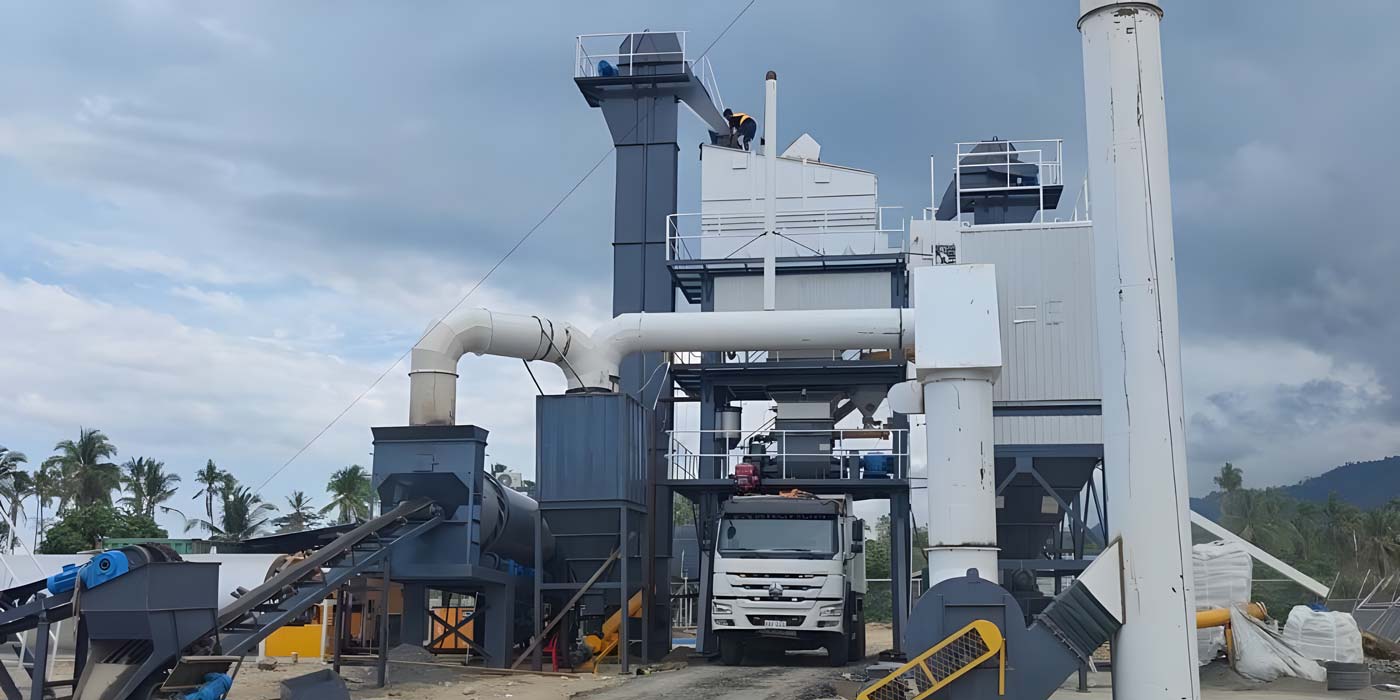
How Should Buyers Compare Asphalt Plants For Fuel Efficiency?
A practical comparison should look beyond the equipment price. A lower purchase price can become expensive if the plant consumes more fuel throughout a long project.
Instead, buyers should consider both initial investment and operating cost.
| Evaluation Area | Key Question |
|---|---|
| Dryer Efficiency | Can the dryer transfer heat effectively under the project’s aggregate conditions? |
| Burner System | Can the burner automatically adjust fuel input according to demand? |
| Moisture Conditions | What aggregate moisture level does the fuel estimate assume? |
| RAP Capability | Can the plant process the planned RAP ratio with stable temperature control? |
| Production Capacity | Does the capacity match normal project demand? |
| Maintenance | Can operators inspect and maintain key fuel-consuming components easily? |
| After-Sales Support | Can the supplier provide commissioning, training, troubleshooting, and spare parts? |
For buyers considering an asphalt hot mix plant, this comparison is especially useful. The plant must balance heating performance, production stability, asphalt quality, and energy use.
Why Should Fuel Efficiency Be Considered Together With Asphalt Quality?
Fuel saving should never come at the expense of asphalt quality. The plant still needs to heat and mix aggregates consistently.
If operators reduce burner output too aggressively, aggregates may not reach the required temperature. Poor temperature control can then affect mixing quality and final asphalt performance.
The better objective is not simply to burn less fuel. It is to use the required amount of thermal energy as efficiently as possible.
That means the plant should maintain stable aggregate temperature, consistent asphalt temperature, reliable mixing, and controlled emissions while avoiding unnecessary fuel consumption.
This balanced approach is more practical for commercial asphalt production.

What Should You Check Before Buying An Asphalt Mixing Plant In South Africa?
Before making a final decision, prepare a project-specific checklist. This makes supplier comparisons much easier.
- Confirm the required hourly asphalt production.
- Estimate daily and monthly asphalt demand.
- Check the typical moisture content of local aggregates.
- Understand the project’s climate and rainfall conditions.
- Confirm the required asphalt mix temperatures.
- Evaluate the burner control system.
- Check dryer design and insulation.
- Ask about RAP integration if recycled asphalt is planned.
- Compare fuel consumption using the same testing conditions.
- Check spare-parts availability and technical support.
- Consider installation, commissioning, and operator training.
Most importantly, ask the supplier to explain how each fuel-saving feature works under your actual project conditions. This gives you more useful information than simply comparing equipment brochures.
Choosing an experienced asphalt mixing plant supplier can also make the evaluation process easier. Technical support matters because actual fuel performance depends on correct configuration, installation, commissioning, and operation.
Conclusion: Choose The Plant For Total Operating Cost, Not Only Purchase Price
Fuel efficiency is a long-term consideration for asphalt contractors in South Africa. The right asphalt mixing plant can reduce unnecessary thermal losses while maintaining stable production and asphalt quality.
The most useful features include an efficient drying system, precise burner control, good thermal insulation, moisture management, variable-speed drives, and suitable RAP technology. However, no single feature guarantees low fuel consumption.
The actual result depends on the complete plant configuration and operating conditions. Aggregate moisture, production rate, asphalt temperature, maintenance, and operator practices all influence fuel use.
Therefore, South African buyers should compare plants based on measurable operating performance rather than purchase price alone. A well-matched plant can help control fuel costs throughout the project and improve the overall economics of asphalt production.
If you are planning a road, highway, municipal, airport, mining, or rehabilitation project in South Africa, AIMIX can help evaluate the required asphalt production capacity and plant configuration. Share your expected output, aggregate conditions, project duration, and site requirements. The technical team can then recommend a suitable asphalt mixing plant configuration and provide a project-based quotation.
Looking beyond the purchase price today can help you control fuel and operating costs throughout tomorrow’s asphalt production.