When embarking on a major road construction project or expanding a paving contractor’s equipment fleet, selecting the right asphalt production technology is a pivotal decision. The debate between a drum mix asphalt plant and a batch mix asphalt plant centers around how aggregate heating, drying, and asphalt mixing are executed. While both systems deliver high-quality hot mix asphalt (HMA), their operational mechanics, production efficiency, mix precision, and project suitability differ significantly. Understanding these operational nuances is essential for contractors aiming to maximize return on investment, particularly when evaluating a versatile drum mix asphalt plant for continuous, high-volume highway projects or specialized units for regional markets.
Understanding the Core Technologies and Engineering Principles
How Drum Mix Plants Operate
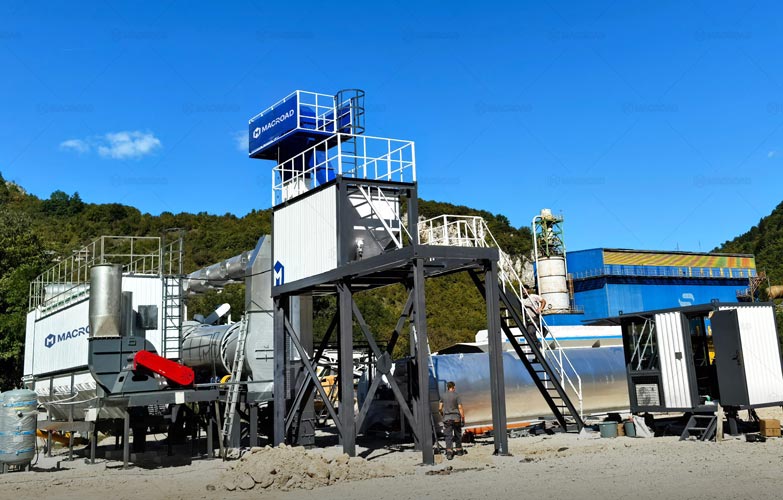
A drum mix asphalt plant(planta asfáltica continua) operates on a continuous process where aggregate drying and asphalt mixing take place simultaneously in a single revolving drum. Aggregate is introduced at the upper end of the inclined cylinder, heated and dried by an advanced burner flame as it travels downward, and coated with liquid asphalt cement and mineral filler near the discharge end. Because production is continuous without intermittent batching pauses or waiting cycles, these plants achieve exceptionally high output rates with lower mechanical complexity and significantly reduced maintenance overheads. Modern drum plants also feature sophisticated dust collection and recycling systems to handle reclaimed asphalt pavement (RAP) efficiently.
How Batch Mix Plants Operate
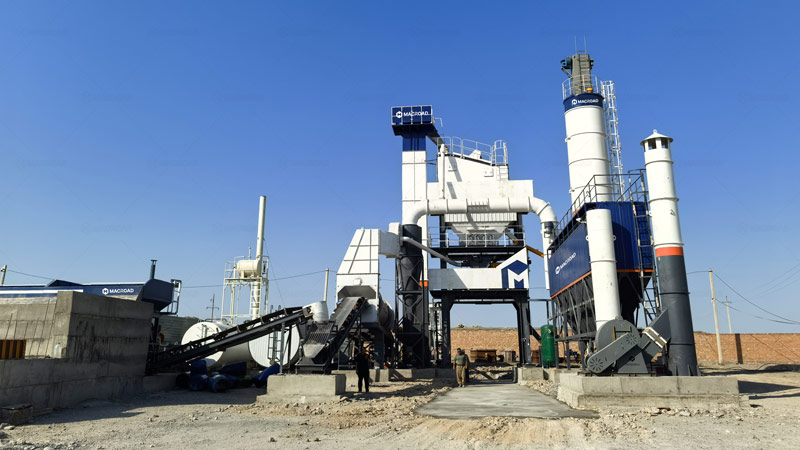
In contrast, batch mix asphalt plants operate on a cyclical, segmented process designed for ultimate mix control. Aggregates are first fed into a multi-compartment cold feed system, dried in a rotating counter-flow or parallel-flow dryer drum, and then elevated by a hot elevator to a vibrating screen that separates them into precise bin sizes. Exact proportions of aggregate, mineral filler, and bitumen are weighed individually in high-accuracy scale hoppers before being discharged into a heavy-duty twin-shaft pugmill mixer. This meticulous gravimetric control allows operators to switch mix designs instantly between different batches and maintain strict adherence to complex municipal, state, or international highway specifications.
Key Comparison Parameters for Project Success
| Feature | Drum Mix Asphalt Plant | Batch Mix Asphalt Plant |
|---|---|---|
| Production Flow | Continuous flow output | Cyclical (Batch by batch weighing) |
| Mix Flexibility | Ideal for long runs of uniform specs | Excellent for frequent recipe and grade changes |
| Precision Control | Volumetric and computer-calibrated belt tracking | Exact gravimetric weigh-scale batching per drop |
| Initial Footprint & Setup | Compact, streamlined footprint with faster mobilization | Larger footprint, modular multi-story tower structure |
| RAP Incorporation | High-percentage RAP integration via specialized rings | Moderate RAP integration through dedicated weigh bins |
Mix Quality and Strict Specification Compliance
For projects requiring frequent formula adjustments—such as urban street patching, municipal utility cuts, and diverse commercial paving jobs—batch plants excel due to their precise weigh-batching mechanisms. Operators can alter the aggregate gradation or binder content on every single batch if required by local engineers. Conversely, modern drum mix plants utilize advanced computer-controlled cold feed systems and continuous weighing belts that rival batch precision. This makes them ideal for long highway stretches, airport runways, and large infrastructure corridors where uniform mix homogeneity is required over thousands of tons of continuous production.
Energy Efficiency, Emissions, and Output Volume
Continuous drum plants generally offer superior thermal efficiency because drying and mixing share the same chamber with minimal heat loss and optimized heat transfer zones. This makes them the go-to choice for massive infrastructure corridors where fuel consumption directly dictates profit margins. However, for contractors managing varied daily orders in dynamic regional construction markets, such as building out urban infrastructure or remote municipal sectors, the operational adaptability of a flexible batch unit or a compact mini asphalt plant(mini planta de asfalto) ensures zero waste when shifting between different binder grades or aggregate gradations.
Navigating Global Equipment Procurement and Regional Demands
As contractors scale their operations to meet growing global infrastructure demands, sourcing reliable machinery becomes as critical as choosing the right thermodynamic process. Whether you are searching an online marketplace for a reliable asphalt plant for sale(planta de asfalto en venta) or analyzing regional import logistics for a specialized municipal project, partnering with an experienced equipment manufacturer ensures full compliance with local environmental emission standards, noise regulations, and strict aggregate gradation laws.
For instance, contractors operating in tropical and rapidly developing Caribbean markets, including active infrastructure zones across asphalt plants in the Dominican Republic, face unique environmental and logistical considerations. High regional humidity requires robust aggregate drying capabilities with high-capacity burners, while remote or island-based project sites demand modular equipment designs that facilitate swift containerized shipping, straightforward on-site assembly, and reliable local after-sales support to minimize costly operational downtime.
Making the Final Decision for Your Paving Fleet
Ultimately, your strategic choice between a drum mix and a batch mix system should be driven by the nature of your project portfolio rather than generic industry trends. If your upcoming business pipeline consists of high-volume, long-duration highway paving where consistent output speed and lower fuel consumption dictate profitability, a continuous drum plant is your strongest asset. On the other hand, if your business model thrives on handling diverse, short-run municipal contracts requiring rapid asphalt recipe switching, a batch plant provides the unmatched recipe versatility you need to satisfy diverse client specifications, including expanding markets for plantas de asfalto en República Dominicana.
Evaluate your project backlog carefully, analyze your local environmental regulations, and collaborate closely with seasoned engineering manufacturers to configure a production setup, whether for international developments or regional installations of asphalt plants in the Dominican Republic(plantas de asfalto en República Dominicana), that aligns perfectly with your long-term operational goals, maintenance capabilities, and budgetary targets.