Reducing the cost per ton of asphalt production is not simply a matter of purchasing cheaper raw materials or lowering equipment expenses. For asphalt producers, profitability depends on how efficiently fuel, aggregates, bitumen, labor, and machinery are used throughout daily operations. Even a small reduction in energy consumption or material waste can generate significant savings over thousands of tons of production. When evaluating an asphalt plant price, buyers should therefore consider long-term operating efficiency alongside the initial investment. This article explores practical strategies to control production costs without compromising asphalt mixture quality or delivery schedules.
Understand the Main Components of Asphalt Production Costs
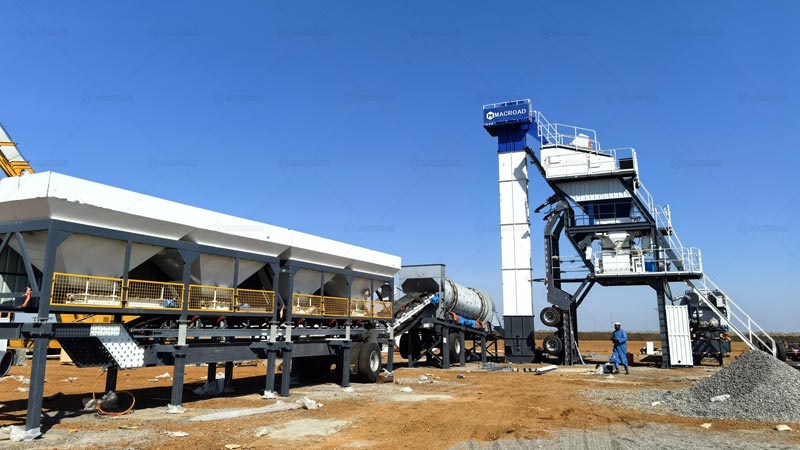
Before implementing cost-saving measures, operators need to identify where their money is being spent. The cost per ton of an asphalt plant(precio de planta de asfalto) generally includes raw materials, fuel, electricity, labor, equipment depreciation, maintenance, and transportation.
| Cost Component | Main Cost Drivers | Potential Savings |
|---|---|---|
| Raw materials | Aggregate, bitumen, and filler prices | Reduce waste and optimize mix proportions |
| Fuel and energy | Drying temperature and burner efficiency | Improve combustion and moisture control |
| Labor | Staffing levels and operating efficiency | Automate repetitive operations |
| Maintenance | Component wear and unexpected breakdowns | Implement preventive maintenance |
| Equipment depreciation | Purchase price and production utilization | Match plant capacity to actual demand |
These expenses are interconnected. For example, wet aggregates increase fuel consumption, while frequent equipment breakdowns reduce production output and increase labor costs. Identifying the relationship between different expenses helps operators prioritize improvements with measurable financial benefits.
Improve Fuel Efficiency During Aggregate Heating
Fuel consumption is one of the most important operating expenses in asphalt production. The drying drum must remove moisture from aggregates and heat them to the required temperature before mixing. Inefficient heating can significantly increase the cost of every ton produced.
Control Aggregate Moisture Content
Wet aggregates require additional thermal energy to evaporate water. When moisture levels increase, the burner must consume more fuel to maintain the required discharge temperature.
Producers can reduce this expense by improving aggregate stockpile management. Store materials on properly drained surfaces, use covered storage where practical, and prevent rainwater from accumulating around stockpiles. Separating aggregates by size and moisture condition also helps maintain consistent production.
Optimize Burner Performance
An improperly adjusted burner may consume excessive fuel or produce unstable heating conditions. Operators should regularly inspect fuel nozzles, combustion air settings, flame stability, and temperature sensors.
Maintaining the correct air-to-fuel ratio helps achieve efficient combustion. In addition, monitoring exhaust gas temperature can reveal heat losses caused by poor insulation, excessive airflow, or inefficient drying operations.
Optimize Aggregate and Bitumen Consumption
Raw materials typically represent a substantial share of asphalt production expenses. However, reducing consumption should never mean lowering the required mixture quality or ignoring project specifications.
Improve Aggregate Gradation Control
Incorrect aggregate proportions can result in rejected batches, inconsistent mixtures, and unnecessary material consumption. Regularly inspect screening performance and calibrate aggregate weighing systems to maintain accurate proportions.
Using aggregates with consistent particle sizes also reduces unnecessary adjustments during production. A well-controlled gradation helps achieve the specified mixture properties while minimizing rejected material.
Reduce Bitumen Waste
Bitumen is a high-value raw material, making accurate dosing essential. Operators should calibrate weighing systems, inspect pipelines for leaks, and maintain stable heating temperatures.
Reclaimed asphalt pavement (RAP) can also reduce the demand for virgin bitumen and aggregates when permitted by project specifications. However, the recycling ratio must be determined according to material quality, mixture design, and the plant’s recycling capabilities.
Choose an Asphalt Plant That Matches Production Demand
Equipment selection has a long-term impact on production costs. A plant with insufficient capacity may struggle to meet delivery schedules, while an oversized system can create unnecessary depreciation and maintenance expenses.
Evaluate Different Plant Configurations
A drum mix asphalt plant combines aggregate drying, heating, and mixing operations within a continuous production system. Its relatively straightforward process makes it suitable for projects requiring consistent asphalt output and continuous operation.
For contractors working across multiple construction locations, a mobile asphalt plant(planta de asfalto móvil) offers greater flexibility. Its transportable configuration can reduce relocation time and the expenses associated with repeatedly establishing production facilities. However, buyers should also evaluate transportation costs, installation requirements, and production capacity.
Regardless of the configuration, comparing the asphalt plant price alone is insufficient. Consider fuel consumption per ton, rated output, maintenance requirements, equipment lifespan, and the expected annual production volume.
Calculate Equipment Utilization
Plant utilization directly affects the depreciation cost allocated to each ton of asphalt. For example, a plant producing 100,000 tons annually distributes its fixed equipment costs across more output than the same plant producing only 30,000 tons.
Before purchasing equipment, estimate realistic production demand rather than relying exclusively on maximum rated capacity. A properly sized asphalt plant can help balance capital investment, operating expenses, and production efficiency.
Reduce Equipment Downtime Through Preventive Maintenance
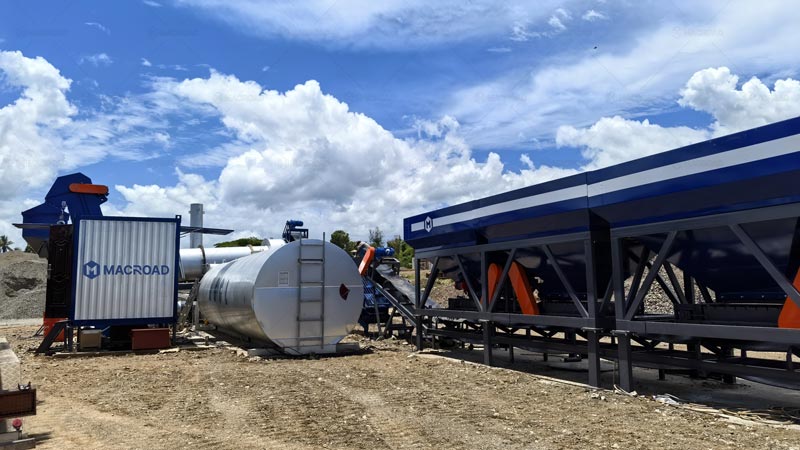
Unexpected breakdowns can increase production costs through repair expenses, idle labor, delayed deliveries, and lost production opportunities. Preventive maintenance helps identify potential problems before they interrupt operations.
Operators should establish regular inspection schedules covering:
- Drying drum: Check internal flights, seals, bearings, and drive components for abnormal wear.
- Burner system: Inspect fuel lines, nozzles, ignition components, and combustion performance.
- Dust collection system: Monitor baghouse pressure differences and inspect filter bags for damage.
- Conveyors and elevators: Check belts, chains, rollers, and material transfer points.
- Weighing systems: Calibrate load cells and verify accurate aggregate and bitumen dosing.
Keeping essential spare parts available can further reduce repair delays. Maintenance records also help identify components with recurring failures and support better replacement planning.
Use Production Data to Identify Hidden Cost Increases
Many asphalt plants(planta de asfalto) already collect operational data, but not all operators use it effectively. Monitoring production indicators can reveal inefficiencies that are difficult to identify through visual inspections alone.
Important indicators include:
- Fuel consumption per ton of finished asphalt.
- Electricity consumption per ton produced.
- Aggregate moisture content and drying temperature.
- Production output compared with rated capacity.
- Rejected batch percentage and material waste.
- Unplanned downtime and maintenance frequency.
Comparing these indicators across different production shifts can help managers identify abnormal fuel consumption, inconsistent material dosing, or inefficient operating practices. Automated control systems can also improve weighing accuracy and reduce manual adjustments.
Build a Lower-Cost Asphalt Production Strategy
Reducing the cost per ton requires coordinated improvements rather than a single equipment upgrade. Start by measuring current fuel and material consumption, then prioritize the areas with the greatest potential savings. Improve aggregate storage, optimize burner settings, maintain accurate weighing systems, and establish preventive maintenance schedules. When planning new equipment purchases, compare the total ownership cost of each asphalt plant configuration instead of focusing only on the initial asphalt plant price. Whether operating a drum mix asphalt plant(planta de asfalto continua) or a mobile asphalt plant, consistent production management and data-driven adjustments can help contractors achieve lower unit costs while maintaining reliable asphalt quality.