As an asphalt supply business grows, production capacity can quickly become a major business decision. A small asphalt mixing plant may handle current orders, but what happens when contractors request larger daily volumes, several road projects run at the same time, or delivery schedules become tighter? At this stage, investing in a higher-capacity asphalt plant may offer a more practical way to expand production and compete for larger contracts.
A 160 TPH asphalt plant is one option worth considering. It provides a higher rated production capacity than many small and medium-sized plants while allowing asphalt producers to serve larger construction projects. However, higher capacity does not automatically mean higher profits. The real investment value depends on local demand, operating hours, raw material supply, transportation costs, equipment utilization, and the company’s ability to secure consistent orders.
So, is a 160 TPH asphalt plant a better investment for a growing asphalt supply business? The answer depends on how quickly your business is expanding and whether your market can support this production level. Let’s examine the key factors from a business and construction industry perspective.
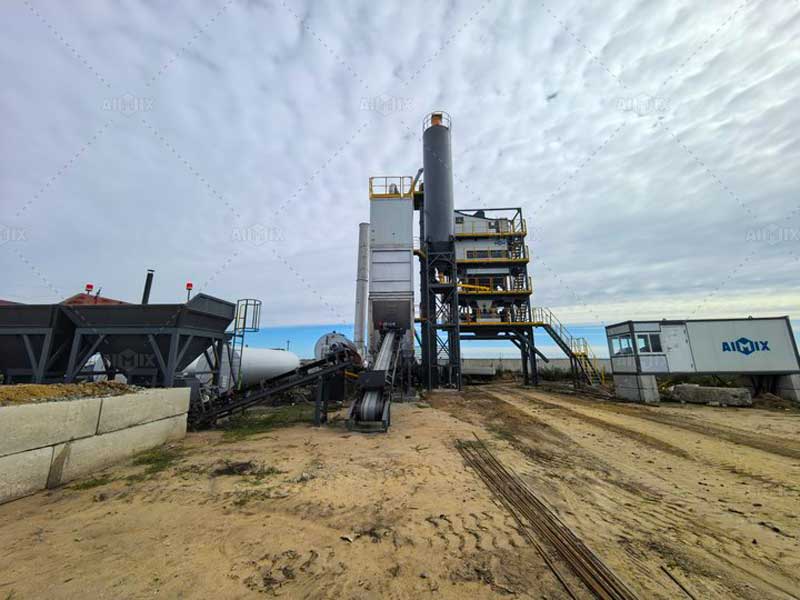
1. When Does an Asphalt Supply Business Need a 160 TPH Plant?
Before selecting a larger plant, business owners should identify the production limitations of their existing operation. Increasing order volumes do not always require an immediate capacity upgrade. However, when production becomes a bottleneck, a higher-capacity plant can help the business accept more projects and improve delivery performance.
Growing Orders and Increasing Daily Demand
Consider an asphalt supplier that initially serves local road maintenance projects. A smaller plant may meet its daily demand without difficulty. Over time, however, the company may receive orders from highway contractors, industrial parks, airport projects, or municipal road construction programs.
These projects often require larger asphalt volumes within shorter construction periods. For example, a contractor may need 600 to 900 tons of asphalt mixture per day, depending on the paving schedule and project conditions.
Under these circumstances, a 160 TPH asphalt plant can provide additional production capacity. It allows the supplier to handle larger orders without relying entirely on extended operating hours.
Serving Multiple Construction Projects
Another important reason to upgrade is the need to supply several projects simultaneously. A plant that operates near its maximum capacity for one customer may struggle to meet another contractor’s delivery schedule.
A 160 TPH plant gives the business more production flexibility. For example, the company may supply an urban road project in the morning and prepare asphalt for a highway contractor later in the day. Actual scheduling still depends on mix design changes, material availability, truck transportation, and production planning.
More importantly, additional capacity can help the supplier reduce the risk of losing orders simply because its existing equipment cannot meet the required delivery volume.
Moving From Small Contracts to Larger Markets
Asphalt suppliers often want to move beyond small maintenance contracts and enter larger infrastructure markets. However, larger contractors usually pay close attention to production consistency, supply reliability, and the ability to meet demanding construction schedules.
A 160 TPH plant may help a growing supplier qualify for projects with higher material requirements. Nevertheless, production capacity alone does not guarantee contract awards. Quality control, technical support, financial strength, logistics, and previous project experience also influence purchasing decisions.
Therefore, the first investment question is not simply how much asphalt the plant can produce. It is whether your business has enough realistic demand to keep the equipment working efficiently.
2. How Much Asphalt Can a 160 TPH Plant Actually Produce Per Day?
After identifying the need for expansion, the next step is to calculate actual production. A plant’s rated capacity provides a useful reference, but it does not represent guaranteed daily output. Operating hours, material conditions, mix specifications, and production interruptions all affect the final quantity.
Rated Capacity vs. Actual Production
A 160 TPH asphalt mixing plant has a nominal production capacity of 160 tons per hour under specified operating conditions. However, actual output may be lower because of material moisture, aggregate feeding, burner performance, mix design requirements, maintenance, and other operating factors.
For investment planning, it is more realistic to evaluate production under several operating scenarios rather than assume that the plant will continuously produce at its rated capacity.
- 4 operating hours: Theoretical production reaches 640 tons. This provides a useful reference for shorter production shifts.
- 6 operating hours: Theoretical production reaches 960 tons. This may suit a supplier serving medium-to-large daily orders.
- 8 operating hours: Theoretical production reaches 1,280 tons. This represents a typical full production shift calculation.
- 10 operating hours: Theoretical production reaches 1,600 tons. This requires sufficient material supply, truck availability, labor, and sustained demand.
These figures represent theoretical production at the rated 160 TPH output. Actual production will vary, and planned operating time should account for startup, shutdown, maintenance, mix changes, and other interruptions.
Estimate Daily Output Based on Plant Utilization
For a more practical estimate, business owners can apply an operating utilization factor to the rated capacity.
Estimated Daily Output = Rated Capacity × Operating Hours × Utilization Rate
For example, if a 160 TPH plant operates for 8 hours with an assumed 75% utilization rate, the estimated daily output is:
160 × 8 × 75% = 960 tons per day.
This calculation provides a more realistic starting point for financial planning than assuming 1,280 tons of finished asphalt every day. The 75% figure is an illustrative planning assumption, not a guaranteed equipment performance rate.
Match Production Capacity With Customer Orders
Daily demand should determine the appropriate plant capacity. A supplier with stable orders of 300 tons per day may not need a 160 TPH plant. In contrast, a business receiving regular orders of 800 to 1,000 tons per day may benefit from the additional production capacity.
When evaluating demand, consider the following factors:
- Average daily orders: Calculate the actual tonnage supplied during normal working days.
- Peak daily demand: Identify the largest quantities customers may request during busy construction periods.
- Annual production demand: Consider seasonal changes and the number of active construction days.
- Delivery distance: Estimate whether trucks can transport the required quantity within the paving schedule.
- Order stability: Separate confirmed contracts from potential orders and short-term market expectations.
By comparing these figures, you can determine whether 160 TPH is a suitable investment or whether a smaller plant would provide better financial efficiency. You can also compare different plant mix asphalt solutions according to your target production volume and business requirements.
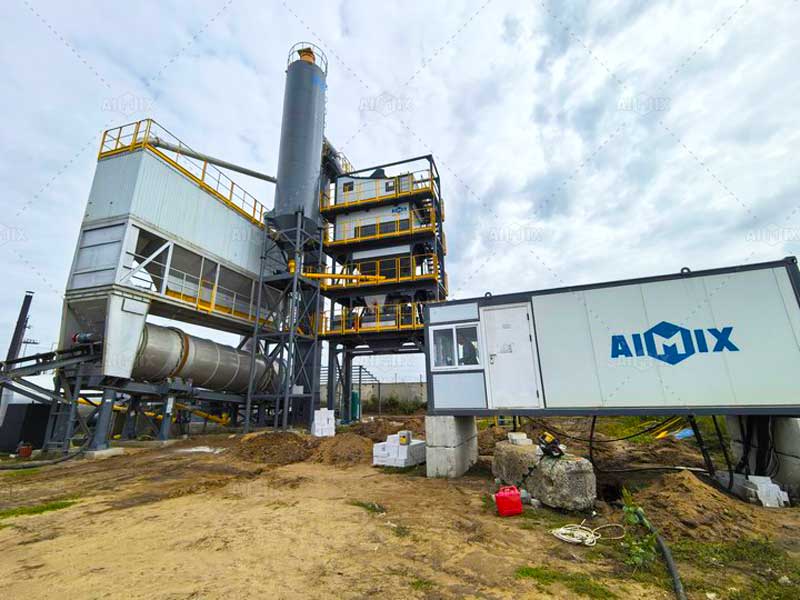
3. Is a 160 TPH Asphalt Plant More Profitable Than a Smaller Plant?
Once daily production requirements are clear, business owners should compare the financial advantages of different capacity options. A larger plant may reduce certain production costs per ton, but it also requires a higher initial investment and sufficient operating volume.
Potential Advantages of Higher Production Capacity
A 160 TPH asphalt plant can offer several business advantages when the supplier has enough orders to support its production capacity.
- More orders within the same operating period: Higher hourly capacity allows the supplier to produce larger quantities during scheduled shifts.
- Better production scheduling: The business may complete large orders without extending working hours excessively.
- Greater project flexibility: The supplier can potentially serve multiple contractors and larger infrastructure projects.
- Potentially lower fixed costs per ton: When production volume increases, certain fixed expenses, such as site overhead and administrative costs, can be distributed across more tons.
- Room for future expansion: The plant can provide additional capacity as the customer base and contract volume grow.
However, these benefits depend on actual operating conditions. A high-capacity plant that runs only two or three hours per day may generate a weaker return than a smaller plant operating consistently.
Understand the Additional Investment Costs
Higher capacity also brings additional financial responsibilities. Buyers should look beyond the equipment purchase price and calculate the total investment required to establish a functioning asphalt production operation.
Important cost categories include:
- Equipment purchase: The main plant, including the drying drum, mixing system, screening equipment, dust collection system, and control system.
- Aggregate storage and feeding: Cold aggregate bins, feeding conveyors, and related material handling equipment.
- Bitumen storage: Bitumen tanks, heating systems, pumps, and pipeline connections.
- Fuel and energy: Burner fuel, electricity, and other energy requirements during production.
- Site preparation: Land development, foundations where required, drainage, access roads, and installation work.
- Transportation and installation: Equipment shipping, lifting, assembly, commissioning, and technical support.
- Working capital: Aggregate, bitumen, filler, fuel, labor, spare parts, and customer payment cycles.
These costs can vary significantly by country, plant configuration, site conditions, and supplier. Therefore, a quotation should clearly identify the included equipment and services before buyers compare investment figures.
Evaluate Profit Per Ton Instead of Production Capacity Alone
For an asphalt supply business, the most important financial indicator is not simply how many tons the plant can produce. It is how much contribution the business earns from each ton sold.
Contribution Per Ton = Selling Price Per Ton − Variable Cost Per Ton
Variable costs may include aggregate, bitumen, filler, fuel, electricity, and other production-related expenses. The exact cost structure depends on the asphalt mix design and local market conditions.
For example, assume a supplier earns an illustrative contribution of $8 per ton after variable production costs. If the plant sells 20,000 tons annually, its annual contribution is $160,000 before fixed operating expenses, financing costs, taxes, and other deductions.
If annual sales increase to 40,000 tons while the same contribution per ton remains achievable, the annual contribution reaches $320,000.
This example demonstrates why actual sales volume matters more than the plant’s rated capacity. A 160 TPH plant creates greater financial potential only when the business can sell the additional asphalt it produces.
4. What Types of Projects Can a 160 TPH Asphalt Plant Serve?
Production capacity is only one part of the investment decision. The other part is understanding which customers and construction projects can generate sufficient demand. A 160 TPH plant is generally suitable for suppliers targeting medium-to-large asphalt production requirements.
Highway and Expressway Construction
Highway and expressway projects often require substantial quantities of asphalt mixture within specific paving periods. Contractors may need continuous material supply to keep paving equipment and transportation fleets working efficiently.
A 160 TPH plant can support these requirements when its actual output, truck fleet, and delivery distance match the project’s schedule.
For suppliers pursuing highway contracts, this capacity can provide a stronger production foundation than a smaller plant that requires longer operating hours to fulfill the same orders.
Municipal Roads and Urban Infrastructure
Urban road construction creates another potential market. Municipal contractors may handle several road sections, intersections, and rehabilitation projects within the same construction season.
These projects may require different asphalt mix designs and delivery schedules. Therefore, production flexibility and accurate quality control remain important alongside hourly capacity.
Industrial Parks, Airports, and Commercial Developments
Industrial parks, logistics centers, airport pavements, and large commercial developments can also create demand for asphalt suppliers.
Some projects require high production volumes during concentrated construction periods. Others involve phased delivery over several months. In both cases, a 160 TPH plant may help the supplier manage larger orders, provided that the project schedule supports the investment.
Supplying Other Asphalt Contractors
An asphalt supply business does not always need to undertake road paving itself. It can operate as an independent asphalt producer and sell finished mixtures to road construction companies.
This business model may work well in regions where several contractors need reliable asphalt supplies but do not operate their own mixing plants.
However, the supplier must consider transportation costs, customer concentration, payment terms, and competition from existing asphalt producers. A high-capacity plant is more attractive when several customers can provide stable demand instead of relying on one temporary project.
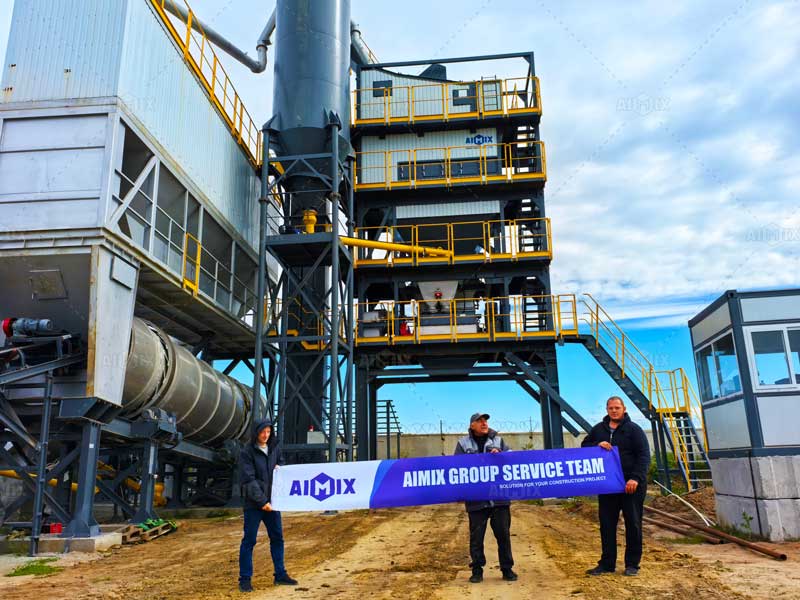
5. Batch Mix or Drum Mix: Which 160 TPH Configuration Should You Choose?
After confirming that 160 TPH matches the business’s production requirements, the next decision concerns plant configuration. Batch mix and drum mix asphalt plants use different production processes. The right choice depends on product requirements, customer expectations, and operating strategy.
160 TPH Batch Mix Asphalt Plant
A batch mix asphalt plant produces asphalt mixture in separate batches. It heats and screens aggregates, weighs the required materials, and combines them with bitumen and filler according to the selected mix design.
This process offers greater flexibility when customers require different asphalt mixture specifications. For suppliers serving multiple contractors with varying gradation and mixture requirements, a batch mix asphalt plant for sale may provide a suitable production solution.
- Suitable for suppliers serving customers with multiple mix designs.
- Supports controlled aggregate gradation through screening and separate hot aggregate bins.
- Allows operators to adjust batch proportions according to production requirements.
- Can serve highway, municipal, airport, and other infrastructure projects with varying mixture specifications.
However, buyers should also consider the additional equipment, installation requirements, and maintenance needs associated with the batch production process.
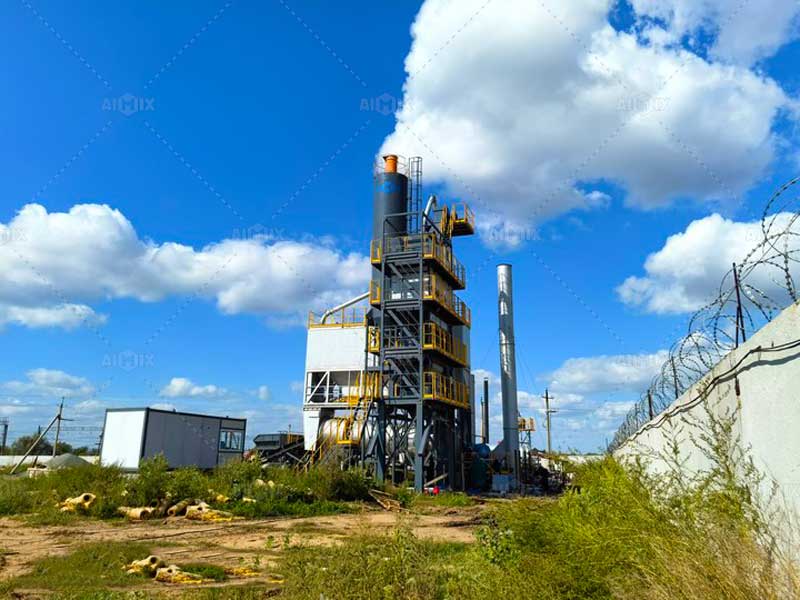
160 TPH Drum Mix Asphalt Plant
A drum mix asphalt plant combines aggregate drying, heating, and mixing in a continuous production process. It can be an attractive option for suppliers that produce relatively consistent asphalt mixtures in large quantities.
For projects that prioritize continuous production, buyers may also evaluate a counter flow drum mix plant and compare its configuration, drying process, fuel requirements, and environmental performance with other available options.
- Suitable for continuous production with relatively stable mix requirements.
- Provides a straightforward production process for suitable applications.
- Can support suppliers that prioritize consistent output and operational efficiency.
- May be less suitable when frequent changes in aggregate gradation and mix specifications require additional process flexibility.
Actual configuration and performance depend on the manufacturer’s design. Buyers should review the plant’s mixing method, material feeding system, dust collection arrangement, and quality control capabilities.
How to Make the Right Choice
Neither configuration is automatically better for every asphalt supply business. A supplier that handles different customer specifications may prefer a batch mix plant. A producer with stable, high-volume production requirements may consider a drum mix solution.
Before purchasing, ask the manufacturer to explain how the proposed plant handles your target mix designs, production schedule, fuel requirements, and environmental standards.
6. What Operating Factors Affect the Performance of a 160 TPH Plant?
Even a well-designed plant cannot achieve its expected production performance without a reliable operating system. For a growing asphalt supplier, the following factors deserve attention before purchasing equipment.
Aggregate Supply and Moisture Content
Aggregate quality and moisture content directly affect asphalt production. Wet aggregate requires additional drying energy and may reduce the effective production rate.
Suppliers should secure a stable source of aggregates with suitable gradation and quality. They should also plan proper aggregate storage to reduce exposure to rain and uncontrolled moisture.
Bitumen Storage and Heating
Bitumen supply must match the production schedule. Insufficient storage or heating capacity can interrupt production even when the main plant has sufficient output capacity.
Buyers should evaluate bitumen tank volume, heating arrangements, transfer pumps, insulation, and the time needed to prepare materials before production begins.
Truck Fleet and Transportation Distance
Production capacity and transportation capacity must work together. If the plant produces asphalt faster than trucks can deliver it, finished material may accumulate and create scheduling problems.
For this reason, calculate the number of trucks required based on payload, loading time, round-trip distance, traffic conditions, and unloading time at the paving site.
A 160 TPH plant located far from construction projects may face different logistical challenges from one located close to several major contractors.
Dust Collection and Environmental Compliance
Environmental requirements should also influence plant selection. Asphalt production involves aggregate dust, combustion emissions, and fuel storage. The appropriate dust collection and emission control systems depend on local regulations and project requirements.
Before installation, confirm the applicable environmental permits, emission limits, land-use requirements, and monitoring obligations. The plant should include suitable pollution control equipment and a configuration that supports local compliance.
Maintenance and Technical Support
Unexpected equipment downtime can affect customer relationships and project schedules. Therefore, spare parts availability, maintenance planning, and technical support are important investment considerations.
Ask the manufacturer about routine maintenance intervals, critical spare parts, remote troubleshooting, installation assistance, and after-sales service arrangements in your operating region.
7. How Long Does It Take for a 160 TPH Asphalt Plant to Pay Back?
Once equipment configuration and operating requirements are clear, business owners can estimate the investment recovery period. However, there is no universal payback period for a 160 TPH asphalt plant. It depends on the total project investment, annual sales volume, contribution per ton, financing structure, and operating expenses.
Calculate the Annual Production Volume
Start by estimating the number of tons you can realistically sell each year.
Annual Sales Volume = Average Daily Sales × Annual Operating Days
For example, assume a supplier sells an average of 800 tons per working day and operates for 150 days per year.
800 × 150 = 120,000 tons per year.
This calculation assumes that customer demand and production capacity support the stated sales volume throughout the operating period.
Estimate Annual Operating Contribution
Next, multiply annual sales volume by the contribution earned per ton.
Using an illustrative contribution of $8 per ton:
120,000 × $8 = $960,000 annual contribution.
This amount is not net profit. The business must still deduct fixed operating expenses, labor, maintenance, insurance, financing costs, depreciation, taxes, and other relevant expenses.
Calculate the Simple Payback Period
A basic investment calculation is:
Simple Payback Period = Total Initial Investment ÷ Annual Net Cash Flow
For example, if the total initial investment is $800,000 and the business generates $200,000 in annual net cash flow, the simple payback period is approximately four years.
This is an illustrative financial scenario, not a market quotation or guaranteed investment result. Actual cash flow should reflect realistic production, collection periods, working capital, taxes, debt repayments, and major maintenance expenses.
Test Different Demand Scenarios Before Investing
To avoid overestimating future returns, prepare at least three financial scenarios:
- Conservative scenario: Lower daily sales, fewer operating days, and possible periods of weak demand.
- Expected scenario: Production and sales based on existing customers, confirmed contracts, and realistic market forecasts.
- Growth scenario: Higher annual sales supported by new contracts and an expanded customer base.
If the investment only becomes profitable under the most optimistic scenario, the business may need to reconsider its financing plan or plant capacity.
8. When Is a 160 TPH Asphalt Plant Not the Best Investment?
Although higher production capacity can support business expansion, it also introduces financial and operational risks. Recognizing these risks before purchasing is just as important as understanding the potential advantages.
When Local Demand Is Too Small
If the local market cannot absorb the plant’s output, the equipment may remain underutilized. This creates unnecessary pressure from depreciation, financing, labor, and maintenance expenses.
A supplier with limited daily orders should compare smaller production options before committing to a 160 TPH plant.
When the Business Has No Stable Customer Base
Potential customers are not the same as confirmed orders. A growing company should avoid basing a major equipment investment entirely on informal inquiries or unconfirmed construction plans.
Instead, evaluate existing customer relationships, contract duration, historical order volumes, payment reliability, and the likelihood of repeat business.
When Transportation Limits Asphalt Delivery
A plant may have sufficient production capacity but still struggle to serve distant construction sites. Long transportation distances, traffic congestion, and limited truck availability can increase costs and affect asphalt delivery conditions.
In this situation, a strategically located smaller plant or a second production site may offer a more suitable solution than simply increasing the capacity of one facility.
When Working Capital Is Insufficient
A higher-capacity plant needs a reliable supply of aggregate, bitumen, fuel, and other materials. The business must also pay employees, maintain equipment, and manage customer credit periods.
Even when orders are available, insufficient working capital can interrupt production. Therefore, investment planning should include enough cash reserves to support normal operations and unexpected expenses.
9. What Should Buyers Check Before Purchasing a 160 TPH Asphalt Plant?
After reviewing demand, production, profitability, and operating risks, buyers can move toward equipment selection. A careful technical evaluation helps prevent purchasing a plant that looks suitable on paper but does not match actual business requirements.
Check the Complete Production Configuration
Do not compare suppliers based on rated capacity alone. Review the complete plant configuration and confirm whether the proposed equipment meets your production and quality requirements.
- Rated production capacity and the conditions used to achieve it.
- Cold aggregate feeding and storage capacity.
- Drying drum dimensions and burner configuration.
- Screening and aggregate weighing systems for batch mix plants.
- Mixing system and finished asphalt storage arrangements.
- Bitumen tanks, heating systems, and delivery pumps.
- Dust collection and environmental protection systems.
- Electrical control system and automation level.
- Installation requirements and commissioning services.
Compare Total Ownership Costs
The cheapest initial quotation may not provide the lowest long-term operating cost. Buyers should compare fuel consumption under comparable production conditions, electricity requirements, spare parts prices, maintenance frequency, and technical support.
Ask suppliers to clarify which accessories are included and which items require additional investment. This makes it easier to compare quotations accurately.
Confirm Local Installation and Service Support
Installation conditions vary by project location. Some sites require extensive foundation work, while others may use modular or specially designed installation arrangements.
Before signing a purchase agreement, confirm the installation schedule, site preparation responsibilities, commissioning procedures, operator training, warranty terms, and spare parts arrangements.
Evaluate the Manufacturer’s Experience
A reliable asphalt plant supplier should be able to explain its plant configuration and provide relevant manufacturing experience. Buyers can request technical documentation, quality certificates, reference projects, and information about its overseas service network.
More importantly, ask the manufacturer to recommend a configuration based on your actual production target, local aggregate characteristics, fuel availability, and environmental requirements rather than simply offering the largest available model.
10. Is a 160 TPH Asphalt Plant the Right Next Step for Your Business?
A 160 TPH asphalt plant can be a valuable investment for an asphalt supply business that is moving toward larger infrastructure contracts and higher annual sales volumes. It provides more production capacity, greater scheduling flexibility, and the potential to serve a wider customer base.
However, the best investment is not necessarily the plant with the highest rated output. It is the equipment that matches your confirmed demand, expected growth, available capital, transportation system, and long-term business strategy.
Before making a decision, focus on these five questions:
- Can your current customers and potential contracts support the additional production volume?
- How many tons of asphalt can you realistically sell per day and per year?
- Can your aggregate supply, bitumen storage, fuel system, and truck fleet support 160 TPH production?
- Does the expected annual cash flow justify the total equipment and installation investment?
- Can the manufacturer provide the technical configuration, installation support, and after-sales service your project requires?
If your answers indicate stable demand, sufficient working capital, and a realistic expansion plan, a 160 TPH asphalt plant may be a strong step toward building a larger and more competitive asphalt supply business.
Talk With AIMIX About Your 160 TPH Asphalt Plant Investment
At AIMIX, we understand that purchasing an asphalt mixing plant is a major business decision. The right configuration should match your production targets, customer requirements, local construction conditions, and expected return on investment.
We provide asphalt mixing plant solutions for different production requirements, including batch mix plants with capacities of 40–320 TPH. Our team can help evaluate your project needs and recommend a suitable configuration based on your intended applications and operating conditions.
Whether you are upgrading an existing asphalt production facility or establishing a new asphalt supply business, we can help you compare plant configurations, review essential equipment, and understand the factors that influence your investment.
Planning to invest in a 160 TPH asphalt plant? Contact AIMIX with your project location, expected daily asphalt demand, preferred plant type, and budget. Our team can help you evaluate whether a 160 TPH solution is the right choice for your business and prepare a suitable equipment proposal.