The price of asphalt plant is one of the most influential variables determining investment returns across Latin America. In infrastructure-driven markets such as highways, mining access roads, ports, and urban expansion zones, the asphalt plant is not only a production asset but also a financial leverage point that directly affects payback period and long-term profitability. Across different countries, the price of asphalt plant can vary significantly due to logistics structure, import taxation, energy pricing, and local construction demand. As a result, identical equipment may produce very different ROI outcomes depending on where it is deployed.
In Latin America, investors increasingly recognize that the price of asphalt plant(precio de planta de asfalto) is not an isolated cost but part of a broader lifecycle equation. A lower purchase price does not always translate into higher returns, especially when operating inefficiencies, downtime risks, or spare parts delays increase long-term costs. Conversely, a higher-quality asphalt plant with stable performance can shorten ROI cycles even if the initial investment is higher.
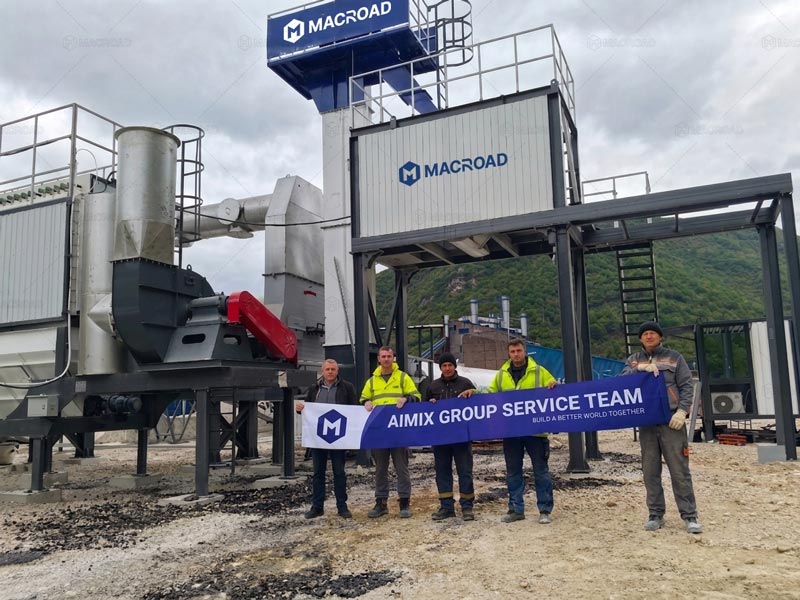
Regional Factors Driving Asphalt Plant Price Differences
The price of asphalt plant varies widely across Latin American countries due to structural economic and logistical differences. Import duties remain one of the most significant cost components, often adding 10%–35% to the base equipment value. Transportation distance from port to project site can further increase total investment, especially in mountainous or inland regions where logistics infrastructure is limited. These conditions directly influence the final price of asphalt plant delivered to the end user.
In addition, energy cost fluctuations strongly impact lifecycle economics. Since an asphalt plant(planta de asfalto) is energy-intensive, fuel and electricity pricing can significantly alter operational cost per ton of asphalt produced. Countries with unstable energy markets often experience higher long-term production costs, even if initial equipment prices are relatively low.
Key Cost Drivers in the Region
- Import tariffs and customs clearance complexity
- Ocean freight and inland transportation distance
- Fuel and electricity price volatility
- Installation conditions and labor availability
- Local environmental compliance requirements
These variables explain why the price of asphalt plant in Latin America is not standardized and why investors must evaluate total landed cost rather than factory price alone.
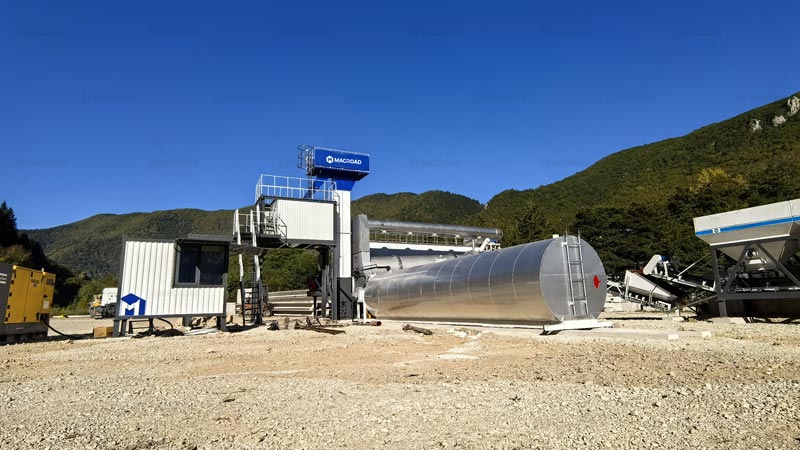
How Asphalt Plant Price Impacts ROI Structure
ROI in asphalt production is determined by the balance between capital expenditure and operational efficiency. The price of asphalt plant influences the initial investment burden, but long-term ROI depends on utilization rate, production stability, and maintenance efficiency. A modern asphalt plant with automation and optimized fuel systems may require higher upfront investment but delivers lower operating cost per ton, improving profitability over time.
In contrast, a low-cost asphalt plant may appear attractive initially but can lead to higher downtime frequency, inconsistent mixture quality, and increased maintenance spending. These hidden costs often extend ROI periods and reduce competitiveness in tender-based infrastructure markets.
Key ROI sensitivity factors include production continuity, raw material availability, and maintenance logistics. In many cases, a 10% improvement in energy efficiency can offset a significant portion of the price of asphalt plant over a 3–5 year operational cycle.
Core ROI Variables
- Daily production utilization rate
- Energy efficiency per ton of asphalt
- Maintenance cycle and spare parts access
- Project continuity and contract pipeline stability
Asphalt Plant in the Dominican Republic Market
The asphalt plant in the Dominican Republic provides a clear example of how regional demand conditions affect ROI outcomes. The country’s infrastructure growth, driven by tourism development, highway expansion, and port modernization, creates relatively stable and continuous demand for asphalt production. This ensures high utilization rates for installed asphalt plant systems.
However, the price of asphalt plant in the Dominican Republic(precio de planta de asfalto en República Dominicana) is influenced by island geography and import dependency. Shipping costs, customs delays, and limited heavy equipment distribution networks increase total acquisition cost compared to mainland markets. Despite this, the stable demand environment often compensates for the higher entry price of asphalt plant through improved equipment utilization and predictable project pipelines.
In this market, contractors typically prioritize reliability and operational continuity over minimum purchase price, especially when selecting an asphalt plant for long-term highway or tourism infrastructure projects.
Mobile Asphalt Plant Price and Flexible Investment Strategy
The mobile asphalt plant price has become increasingly important as contractors face more geographically dispersed infrastructure projects. Mobile systems reduce civil engineering requirements, allowing faster deployment and relocation across multiple job sites. This flexibility is particularly valuable in Latin America, where infrastructure projects are often distributed across large and diverse terrains.
While the mobile asphalt plant price(la planta de asfalto móvil precio) may be similar to stationary systems at purchase, lifecycle economics often favor mobile configurations. Reduced installation time, lower foundation costs, and improved mobility significantly reduce indirect expenses. This makes mobile systems especially suitable for short-term contracts or multi-project contractors.
Advantages of Mobile Systems
- Reduced civil engineering and foundation cost
- Fast installation and commissioning cycles
- High mobility between project sites
- Better adaptation to short-term infrastructure contracts
In many cases, mobile systems help contractors respond quickly to market demand changes, improving asset utilization and reducing idle time. This directly enhances ROI even when the mobile asphalt plant price is not the lowest available option in the market.
Ultimately, evaluating the price of asphalt plant requires a full lifecycle and regional context approach. Latin America’s diverse economic structures, logistics limitations, and infrastructure growth patterns mean that ROI is heavily dependent on strategic equipment selection rather than purchase price alone. Investors who align asphalt plant configuration with local operating conditions consistently achieve more stable and predictable returns over time.