For engineering consultants establishing production capability in remote infrastructure zones during 2026, the strategic combination of a mobile asphalt batch mixing plant, portable asphalt emulsification equipment, and a modified asphalt production plant creates a self-sufficient asphalt factory architecture that eliminates the specialized binder logistics dependency that makes centralized metropolitan supply economically and operationally unviable across extended remote corridors. This synchronized production setup delivers a decisive logistical advantage by internalizing the full binder processing and mix production chain within the project boundary.
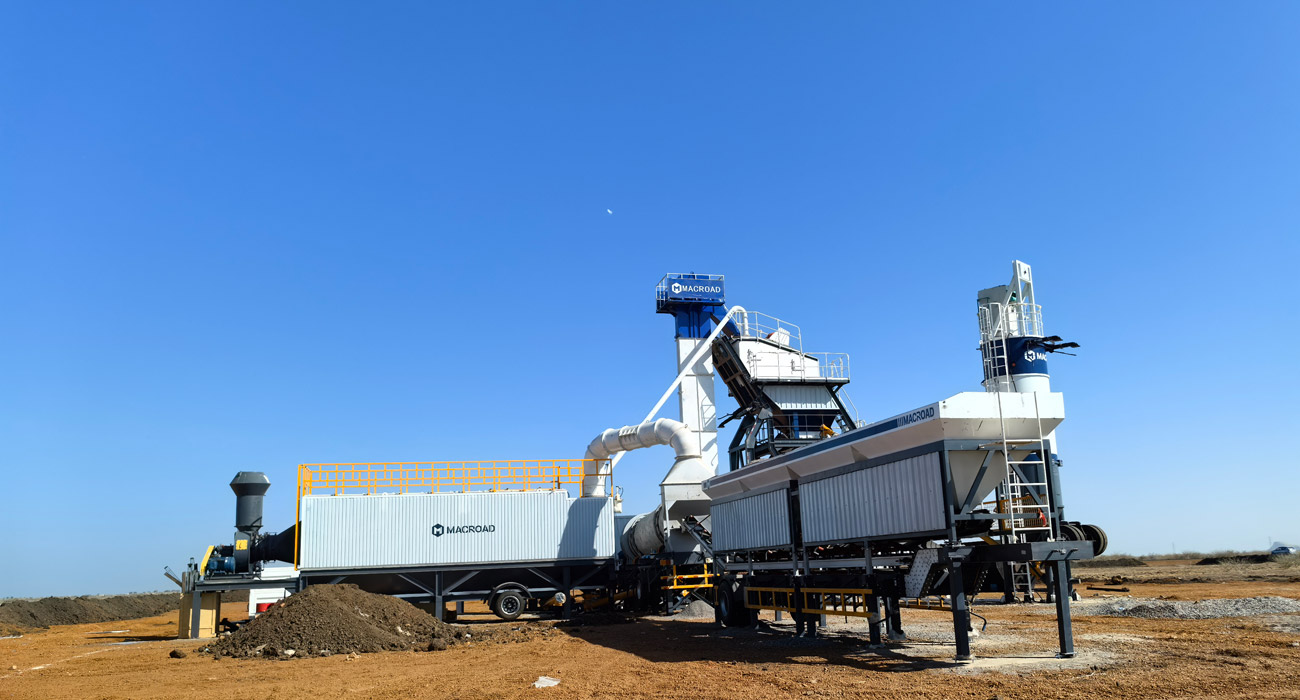
Binder Self-Sufficiency and Logistics Cost Elimination
The fundamental logistical vulnerability of remote asphalt factory operations dependent on centralized metropolitan supply is the transportation overhead embedded in every ton of specialized binder delivered to the project — fuel cost, vehicle wear, driver time, and the schedule exposure generated by access route conditions that deteriorate unpredictably across extended remote construction seasons. Modified bitumen and prime coat emulsions are particularly transport-intensive relative to standard binder grades, requiring temperature-controlled tankers and handling infrastructure that amplifies per-ton delivered cost progressively with haul distance.
A modified asphalt production plant positioned within the project boundary eliminates this transportation overhead by processing base bitumen — available in standard unmodified grades from a wider supply network — into the polymer-modified binder specifications that high-grade pavement layers require. Base bitumen haul logistics are structurally simpler and less cost-intensive than modified binder transport, providing the remote asphalt factory with supply chain access that specialized binder logistics chains cannot match across difficult terrain.
Asphalt emulsification equipment extends this binder self-sufficiency to prime coat and tack coat production — converting on-site base bitumen into the emulsified grades that subbase treatment and inter-layer bonding applications require. Eliminating emulsion transport from the supply chain removes a temperature-sensitive logistics dependency that remote access conditions compromise most severely during the weather events that simultaneously create the greatest demand for flexible production response.
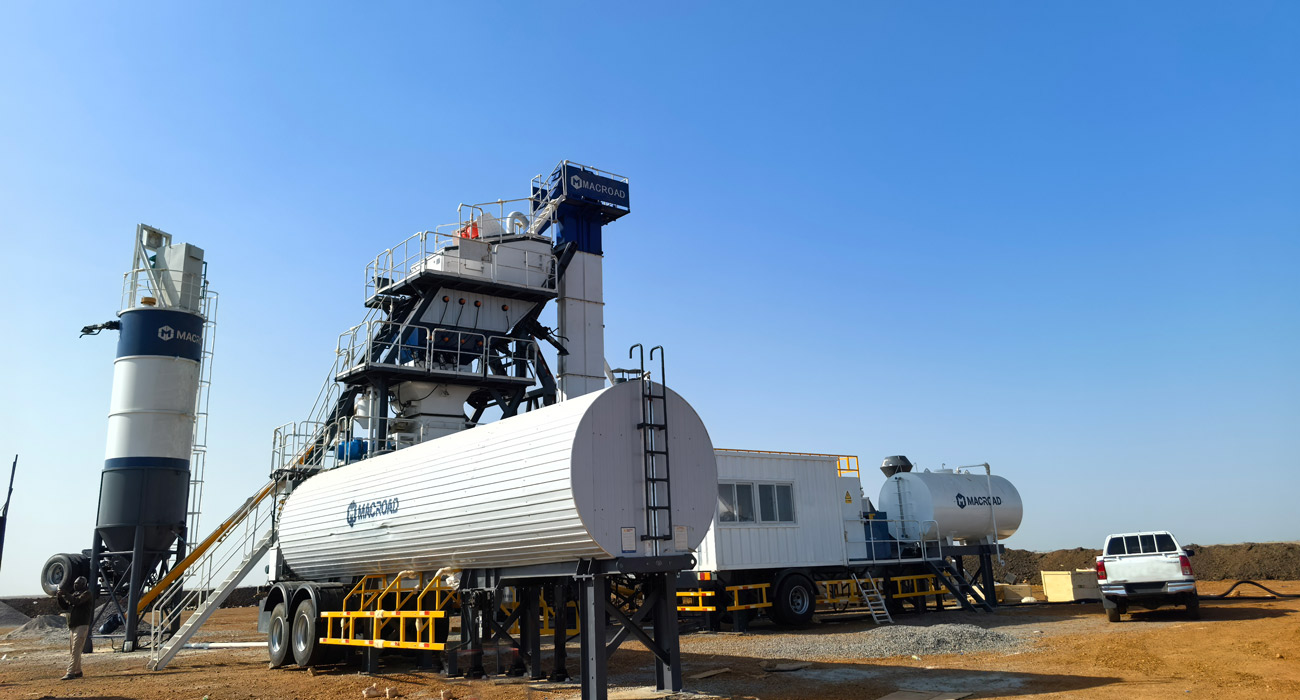
Mobile Batch Plant and Modified Binder Production Synchronization
The mobile asphalt batch mixing plant serves as the production hub that converts the binder outputs of the modified asphalt production plant and asphalt emulsification equipment into finished pavement layers — a synchronization role that requires careful capacity matching between binder production rate and mix plant throughput to prevent the inventory accumulation and temperature management challenges that mismatched production rates generate in remote operating environments without storage infrastructure.
Batch plant architecture provides the mix formula flexibility that synchronized remote asphalt factory operations require when producing multiple distinct pavement layers from a single production setup. The discrete batching sequence accommodates formula transitions between modified binder wearing course mixes and standard binder binder course production without the continuous output interruption that drum plant formula changes impose — preserving production continuity across the layer sequence that remote highway construction programs demand within compressed working seasons.
Specifically, the mobile asphalt batch mixing plant dosing system must accommodate the rheological characteristics of polymer-modified binder produced on-site — higher viscosity at standard injection temperatures requires heated bitumen circuit specification and pump capacity calibrated for modified binder flow resistance. Engineering consultants specifying the integrated system should verify bitumen circuit compatibility between the modified asphalt production plant output specification and the batch plant injection system capacity before procurement commitment.
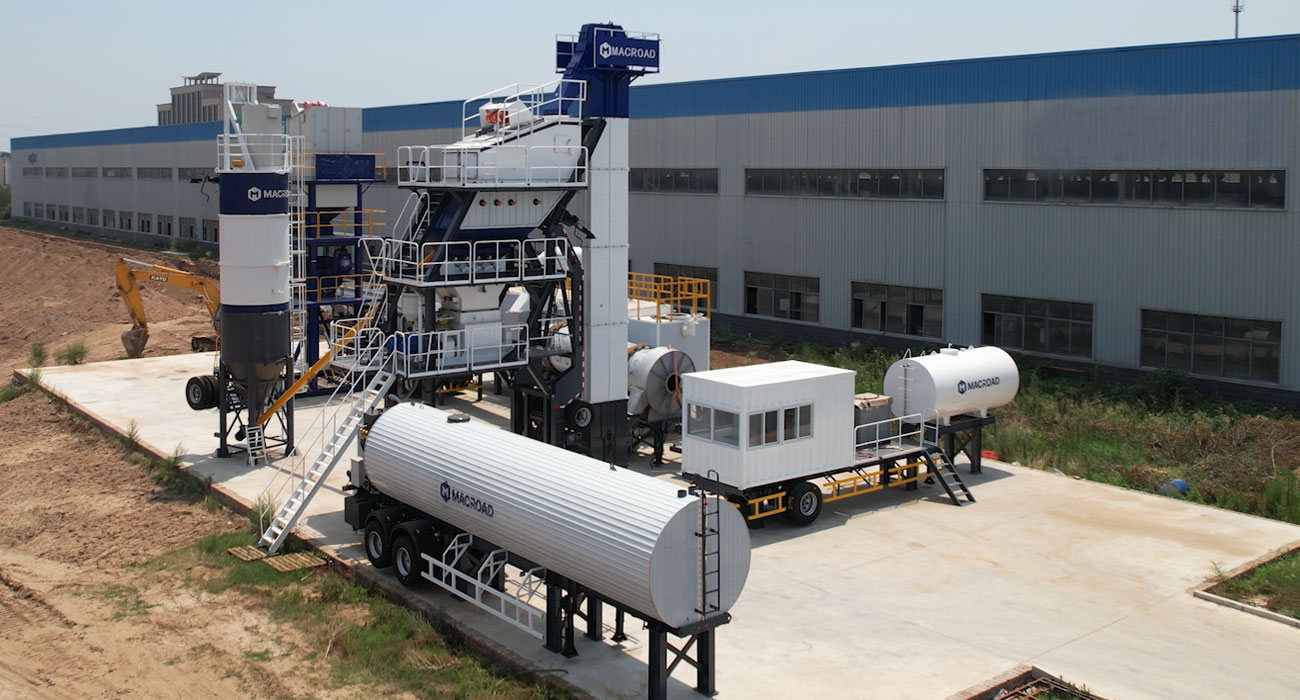
ROI Superiority Over Centralized Supply Dependencies
The return on investment case for the integrated mobile asphalt factory configuration strengthens across every dimension of the cost comparison with centralized metropolitan supply dependency. Transportation overhead elimination generates immediate per-ton cost reduction that scales directly with production volume and haul distance — the two variables that remote project economics amplify most severely relative to accessible site operations. This saving compounds across total project tonnage into an absolute cost reduction that recovers integrated system investment within project durations that remote infrastructure contracts typically span.
Production continuity value reinforces the ROI case beyond direct cost savings. A self-sufficient asphalt factory combining mobile asphalt batch mixing plant, asphalt emulsification equipment, and modified asphalt production plant capability maintains output across supply chain disruption events that centralized supply dependency converts into complete production halts — weather-driven access closure, metropolitan plant maintenance shutdowns, or specialized tanker availability constraints. Each disruption day avoided through production self-sufficiency generates revenue continuity that financial modeling should incorporate alongside direct cost reduction when evaluating integrated system ROI against centralized supply alternatives.
Conclusion
The strategic combination of a mobile asphalt batch mixing plant, portable asphalt emulsification equipment, and a modified asphalt production plant establishes a self-sufficient remote asphalt factory architecture that eliminates specialized binder logistics dependency through on-site production capability across the full binder and mix grade range that remote highway construction requires. For engineering consultants in 2026, the ROI superiority of this integrated approach over centralized metropolitan supply dependency is demonstrated through transportation overhead elimination, production continuity preservation, and supply chain resilience — compounding advantages that strengthen progressively across the extended project durations that remote infrastructure zones demand.