Government road projects in the Philippines often require contractors to balance construction quality, project cost, production efficiency, and delivery schedules. For small and medium government road contracts, choosing the right asphalt production equipment can directly influence project performance and business profitability.
Many Philippine contractors ask an important question before investing in equipment: Is a 60 TPH mobile asphalt plant suitable for small government road contracts in the Philippines?
The answer depends on project size, daily asphalt demand, transportation conditions, and future construction plans. However, for many contractors working on barangay roads, municipal roads, provincial road rehabilitation, and local infrastructure projects, a 60 TPH mobile asphalt plant can provide a practical solution between investment cost and production capacity.
Compared with large stationary plants, a mobile asphalt plant offers faster installation, easier relocation, and stronger flexibility. These advantages are especially valuable in the Philippines because many construction projects are located across different islands and remote areas.
This article explains how a 60 TPH mobile asphalt plant matches Philippine government road contracts, what contractors should consider before purchasing, and why this equipment can support long-term construction growth.
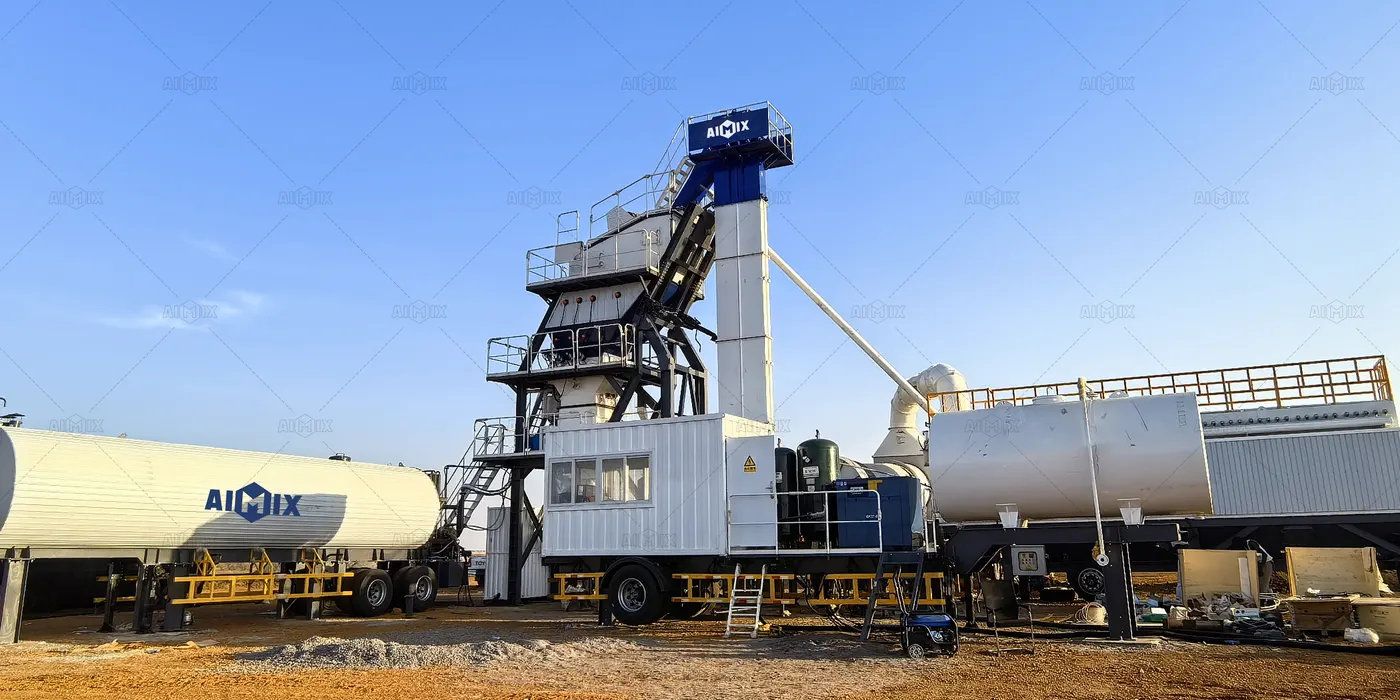
Why Philippine Road Contractors Need Flexible Asphalt Production Solutions
Before selecting asphalt equipment, contractors need to understand the characteristics of local road construction projects. Government infrastructure programs in the Philippines cover various project scales, from small barangay roads to larger provincial highways.
For small government contracts, contractors usually face several practical challenges. First, project budgets require careful investment decisions. Second, construction schedules are often strict. Third, many project locations are far away from commercial asphalt suppliers.
Therefore, contractors need more than asphalt production capacity. They need equipment that can reduce transportation costs, improve construction control, and adapt to changing project locations.
A suitable mobile asphalt mixing plant for sale can help contractors establish asphalt production closer to their projects. As a result, they can reduce dependence on external suppliers and improve project flexibility.
Common Small Government Road Projects In The Philippines
A 60 TPH mobile asphalt plant is commonly suitable for several types of projects, including:
| Project Type | Typical Application | Why A 60 TPH Plant Fits |
|---|---|---|
| Barangay Road Construction | Local access roads and community roads | Provides stable asphalt supply without excessive investment |
| Municipal Road Rehabilitation | Road repair, resurfacing, and expansion | Supports medium production demand with flexible operation |
| Provincial Road Improvement | Road upgrades and maintenance projects | Allows contractors to control asphalt production directly |
| Private Infrastructure Projects | Industrial roads and subdivision roads | Offers mobile production for different construction sites |
Because these projects usually do not require extremely high production rates, a 60 TPH plant can avoid unnecessary investment while still meeting construction requirements.
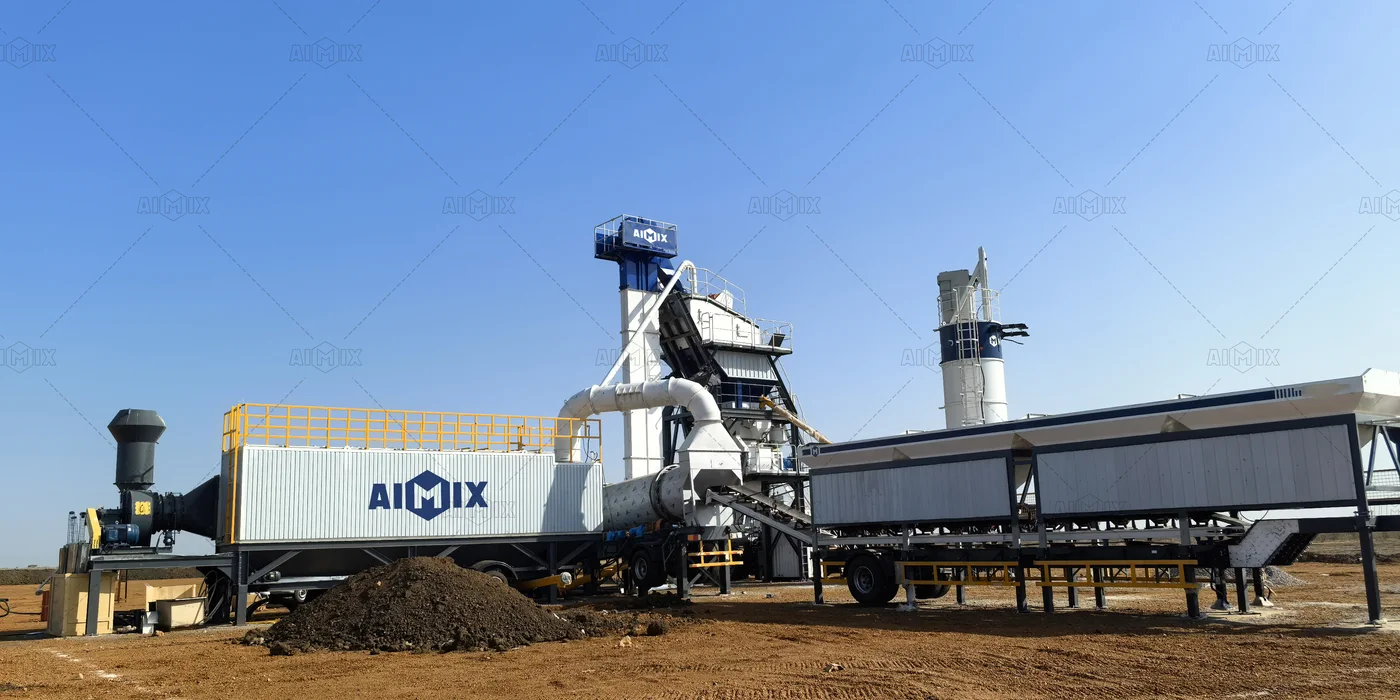
How Much Asphalt Can A 60 TPH Mobile Asphalt Plant Produce?
Production capacity is one of the most important factors when contractors evaluate asphalt equipment. A 60 TPH mobile asphalt plant can theoretically produce 60 tons of asphalt mixture per hour under ideal operating conditions.
However, actual production depends on several factors. These factors include aggregate moisture, asphalt mix design, operator experience, fuel efficiency, and daily working hours.
For example, when operating for 8 hours per day, the theoretical production can reach around 480 tons. In real construction conditions, contractors usually calculate approximately 350 to 450 tons per day depending on site conditions.
| Daily Operation Time | Estimated Production |
|---|---|
| 4 Hours | Approximately 180-220 Tons |
| 8 Hours | Approximately 350-450 Tons |
| 10 Hours | Approximately 450-550 Tons |
Therefore, a 60 TPH mobile asphalt plant is suitable for contractors who need stable asphalt production but do not require a large-scale 150 TPH or 200 TPH production system.
Matching Asphalt Capacity With Government Contract Requirements
Selecting asphalt capacity based only on the largest possible project can increase investment pressure. Instead, contractors should evaluate daily asphalt demand and future project opportunities.
For example, a municipal road rehabilitation project may require several thousand tons of asphalt during the construction period. A 60 TPH mobile plant can complete this type of work efficiently while maintaining reasonable operating costs.
Furthermore, many Philippine contractors participate in multiple government tenders every year. Because projects may move from one province to another, mobile equipment provides additional business advantages.
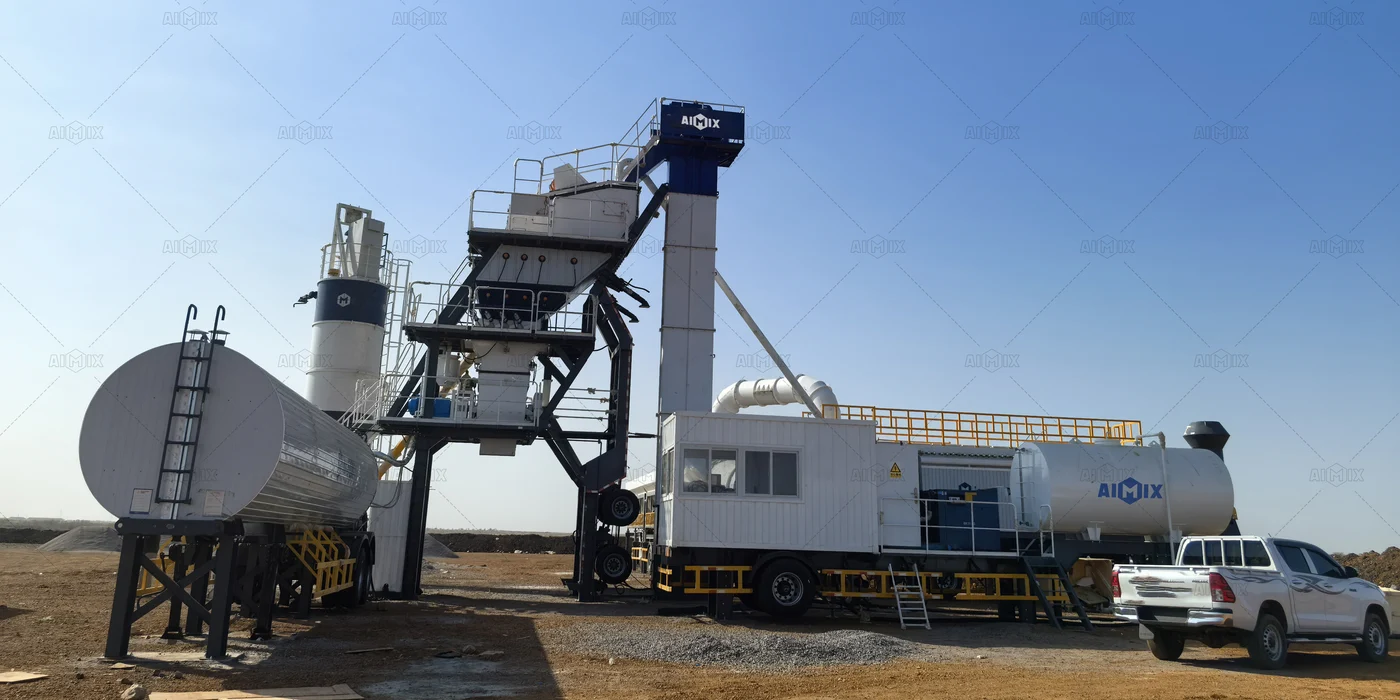
Why Mobile Asphalt Plants Match Philippine Construction Conditions
After considering production capacity, contractors should evaluate real working conditions. In the Philippines, transportation distance, island logistics, and project location often influence construction efficiency.
A mobile asphalt plant provides several advantages compared with traditional fixed asphalt production solutions.
1. Easier Transportation Between Different Project Locations
The Philippines has thousands of islands, and infrastructure projects are distributed across different regions. Contractors may need to move equipment after completing one road project.
A mobile asphalt plant allows contractors to respond faster to new opportunities. Therefore, the equipment can become a long-term investment instead of a single-project machine.
2. Lower Site Preparation Requirements
Small contractors usually prefer solutions that reduce initial construction preparation. Compared with fixed plants, mobile asphalt plants generally require less permanent infrastructure.
As a result, contractors can shorten preparation time and focus more resources on actual paving operations.
3. Better Asphalt Quality Control
Many contractors rely on commercial asphalt suppliers. However, external supply can create challenges when projects are located far from production facilities.
Long transportation distances may affect asphalt temperature and workability. By producing asphalt near the construction site, contractors can improve quality control and reduce delivery delays.
For contractors searching for reliable equipment options, choosing a professional portable asphalt plants for sale supplier can help them compare different configurations according to project requirements.
4. Suitable For Remote Construction Areas
Many Philippine government projects focus on improving rural roads and connecting remote communities. These areas may not have convenient access to commercial asphalt suppliers.
A 60 TPH mobile asphalt plant allows contractors to create temporary asphalt production near the project area. Therefore, it becomes easier to complete road construction in locations with difficult logistics.
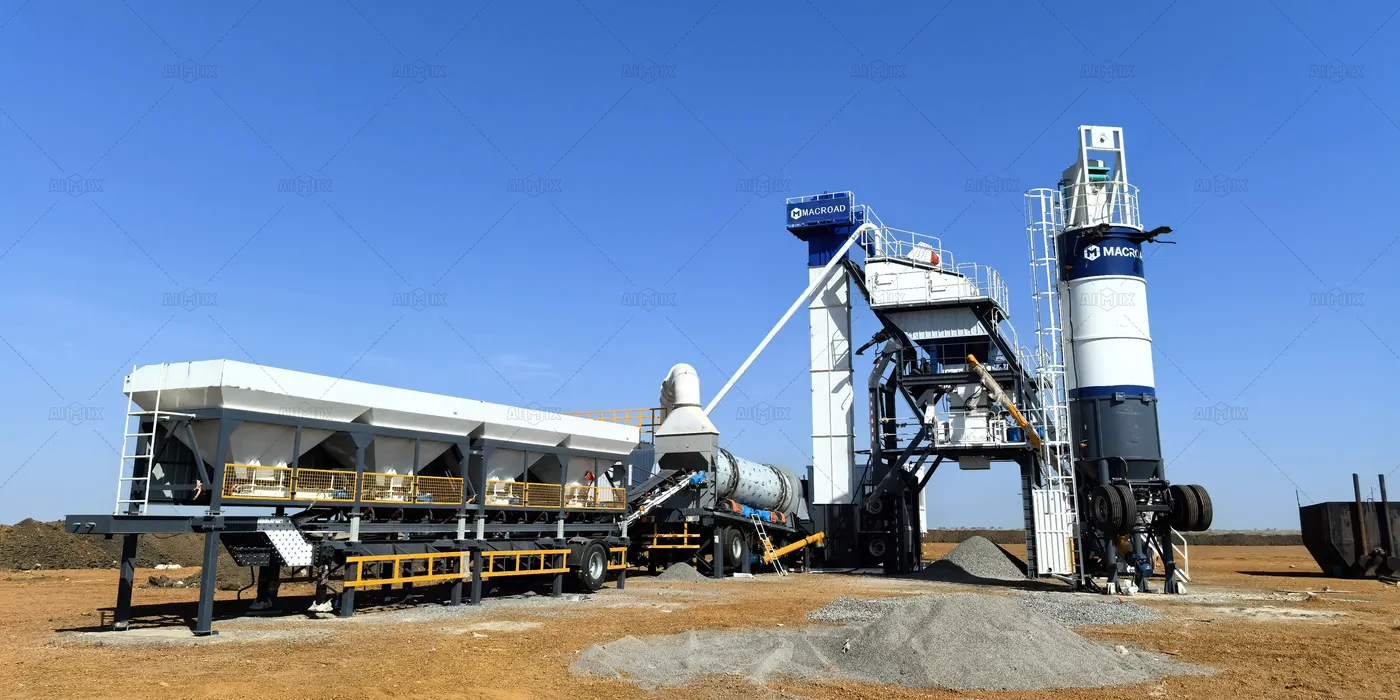
What Should Contractors Consider Before Investing In A 60 TPH Mobile Asphalt Plant?
Although a 60 TPH mobile asphalt plant offers many advantages, contractors should carefully evaluate their own business conditions before making a decision.
Project Duration And Future Construction Opportunities
Contractors should consider both current projects and future contracts. If a company regularly participates in government road projects, owning asphalt equipment can improve competitiveness.
However, companies with limited asphalt demand may need to compare equipment purchase costs with rental options.
Availability Of Local Raw Materials
Asphalt production requires stable supplies of aggregates, bitumen, and fuel. Before installation, contractors should confirm local material availability.
Projects near quarry areas often have advantages because aggregate transportation costs can be lower.
Fuel Consumption And Maintenance Support
Remote project locations require reliable equipment performance. Contractors should consider fuel efficiency, maintenance requirements, spare parts supply, and technical support.
A reliable supplier should provide installation guidance, operator training, and after-sales service to ensure stable operation.
How Does A 60 TPH Mobile Asphalt Plant Compare With Other Asphalt Solutions?
Different contractors require different asphalt production solutions. A small contractor should not always choose the largest plant. Instead, the equipment should match project demand.
| Plant Type | Suitable Application | Main Advantage |
|---|---|---|
| Small Mobile Asphalt Plant | Small government roads and remote projects | Flexible movement and lower investment |
| Medium Mobile Asphalt Plant | Multiple provincial projects | Balance between capacity and mobility |
| Large Stationary Asphalt Plant | Large highway and continuous production | High output for large-scale projects |
For many Philippine contractors handling small government road contracts, a 60 TPH mobile asphalt plant provides the right balance between production capacity and operational flexibility.
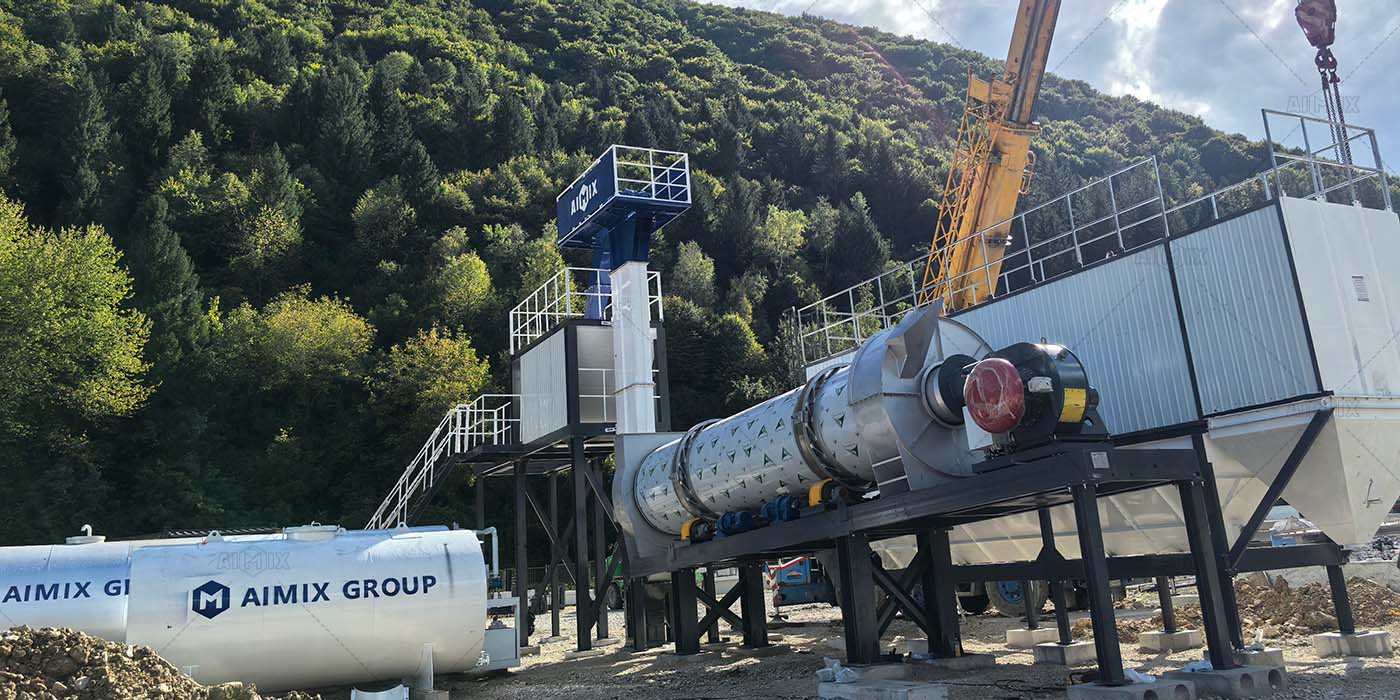
Is A 60 TPH Mobile Asphalt Plant The Right Choice For Your Philippine Road Business?
For many contractors in the Philippines, a 60 TPH mobile asphalt plant is a practical investment choice, especially for small and medium government road projects.
It provides enough production capacity for many local infrastructure applications while avoiding the high investment requirements of large asphalt plants.
Moreover, its mobility matches the construction environment of the Philippines. Contractors can move equipment between projects, serve different regions, and develop new business opportunities.
However, the final selection should always consider project volume, expected annual asphalt demand, transportation conditions, and future growth plans.
Choosing the right equipment is not only about production. It is about improving project control, reducing operating risks, and creating long-term business value.
Choose A Reliable Asphalt Plant Solution For Philippine Road Projects
If you are planning government road construction projects in the Philippines, selecting the right asphalt equipment can help you complete projects more efficiently and competitively.
A professional supplier can analyze your project requirements, including road length, daily paving volume, site conditions, and future expansion plans. For contractors who want to understand local market solutions, an asphalt plant in the philippines guide can provide useful references before making an investment decision.
Whether you need a 60 TPH mobile asphalt plant or another production solution, choosing equipment based on real project requirements is the key to successful construction operations.
Contact our asphalt equipment experts today to discuss your Philippine road project. We can provide customized equipment recommendations, technical support, and a suitable asphalt production solution for your business.
With the right asphalt equipment partner, contractors can improve efficiency, control costs, and achieve better results in future government road projects.
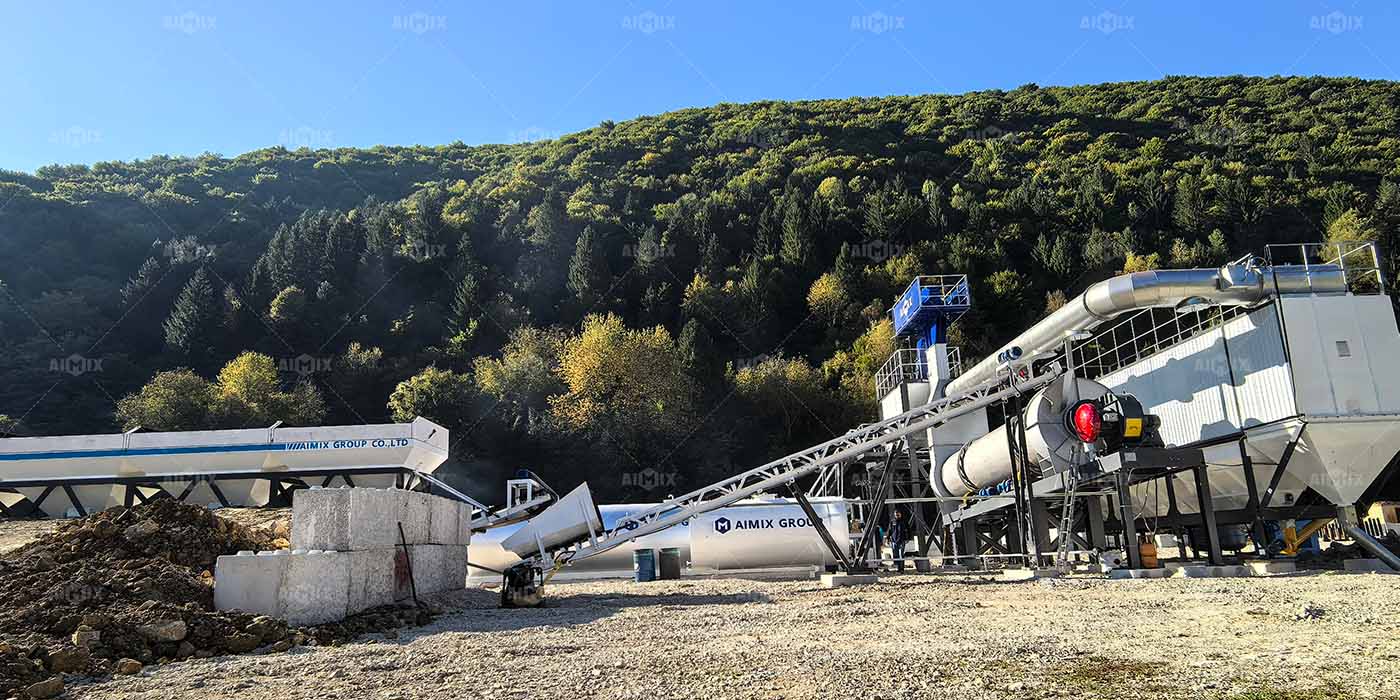
Related Asphalt Equipment Information
For contractors who want to learn more about different asphalt production options, exploring a complete asphalt mixing plant solution can help compare capacity, configuration, and application requirements.