For buyers engaged in rural road construction projects in Africa, selecting adaptive core configurations of a mobile asphalt batching plant is crucial, especially when dealing with frequent site transfers and small daily output demands. An understanding of local gravel raw material characteristics is essential in this selection process. This article outlines critical factors to consider, including material adaptability, plant flexibility, and efficient operating features, to ensure optimal performance in diverse environments.

Understanding Local Gravel Raw Material Characteristics
The first step in selecting a mobile asphalt batching plant is to comprehensively understand the local gravel raw material characteristics. Gravel quality can significantly affect the asphalt’s performance and durability. Factors like aggregate size, shape, and composition vary widely across regions, influencing how well the materials bond and how the asphalt mix behaves.
Buyers should conduct thorough testing of local gravel materials to determine their suitability for use in asphalt. This analysis is vital in selecting the right crusher settings and aggregate sizes needed for production. Many mobile asphalt batching plant can be configured to adjust to varying aggregate types and sizes, which allows for more efficient production tailored to local conditions.
Additionally, considering moisture content in the local gravel is essential. In regions where rainfall is frequent, adequate moisture control mechanisms must be integrated into the plant’s design to ensure optimal drying of aggregates. This adaptability allows the mixing plant to produce high-quality asphalt under varying conditions, ultimately leading to better project outcomes.
Evaluating Plant Flexibility and Mobility
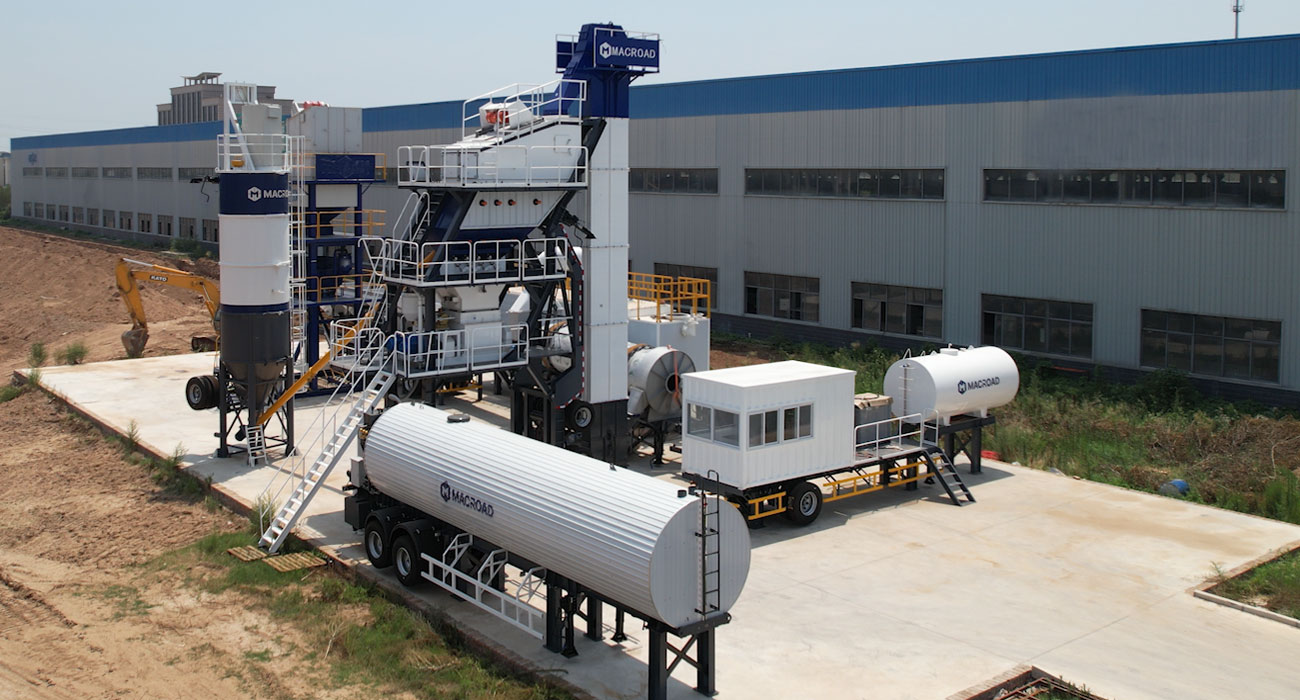
Another key consideration when selecting a mobile asphalt batching plant is its flexibility and mobility. Given the frequent site transfers often required for rural road construction projects, the plant must be easy to set up and dismantle quickly. This adaptability is essential to minimize downtime and ensure consistent production rates.
Look for features that enhance mobility, such as compact design, integrated transportation systems, and modular components. These features allow for faster relocation to different sites without significant labor or infrastructure investments. The mobile asphalt batching plant should also be capable of quickly adjusting its operational parameters to cater to different material characteristics and environmental conditions.
Furthermore, buyers should assess the plant’s adaptability to various output demands. In rural projects with small daily output needs, a plant that can operate efficiently at lower production levels is crucial. Models with variable output settings can help manage costs while remaining productive, ensuring that construction timelines are met without unnecessary delays.
Focusing on Efficient Operating Features
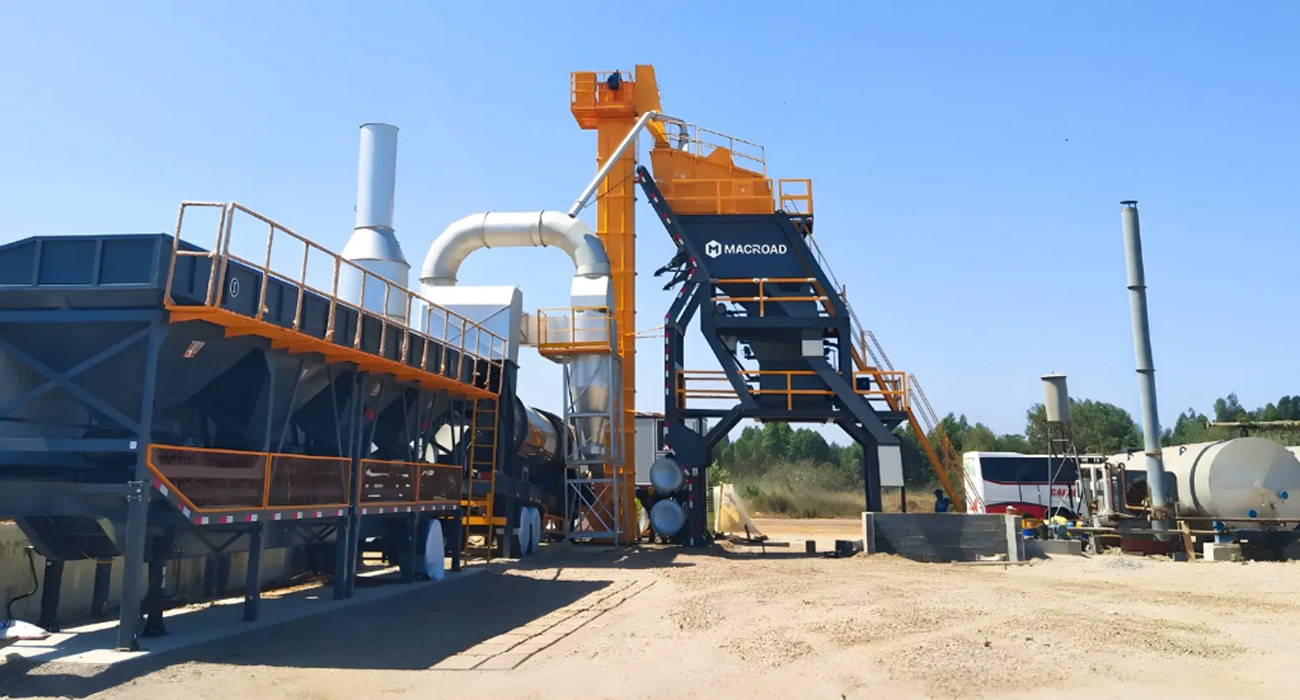
Lastly, efficient operating features are vital in selecting the right mobile asphalt batching plant. Features such as automated controls, precise measurement systems, and batch monitors enhance productivity and consistency in asphalt quality. These technologies also reduce the likelihood of errors, which can be particularly impactful in environments with less experienced operators.
Consider also the energy efficiency of the plant. Energy-efficient operations not only help reduce operational costs but can also be beneficial in rural settings where energy supply can be inconsistent. Evaluating the available technology and integration of green practices within the plant design is necessary.
Additionally, support from asphalt mixing plant manufacturers plays a significant role in ensuring the plant operates effectively. Reliable after-sales support and training can help local operators manage the plant effectively, leading to better outcomes for asphalt production and road quality.
Conclusion
In conclusion, selecting adaptive core configurations of a mobile asphalt batching plant for rural road construction projects in Africa requires careful consideration of local gravel raw material characteristics, plant flexibility, and efficient operating features. Understanding these elements enables buyers to make informed decisions that enhance productivity and ensure quality outcomes. By prioritizing adaptability and efficiency, buyers can optimize their investments in asphalt batching plants, ultimately contributing to successful infrastructure development in rural areas.