Investing in a 120 TPH asphalt plant is a major decision for contractors and construction companies.
Before purchasing, most buyers ask the same question: how long will it take to recover the investment and start generating real profit?
The answer is not fixed, because recovery speed depends on project demand, cost control, and operational efficiency.
In this article, we break down the key financial and operational factors that directly influence ROI, so you can make a more confident investment decision.
Why A 120 TPH Asphalt Plant Is A Strong Investment Choice
A 120 TPH asphalt plant is widely used in medium to large infrastructure projects such as highways, urban roads, and regional development works.
It offers a balanced output capacity that supports continuous paving operations without frequent interruptions.
In many real projects, this capacity level becomes the backbone of stable asphalt supply.
However, profitability still depends on how well the plant is integrated into your project pipeline.
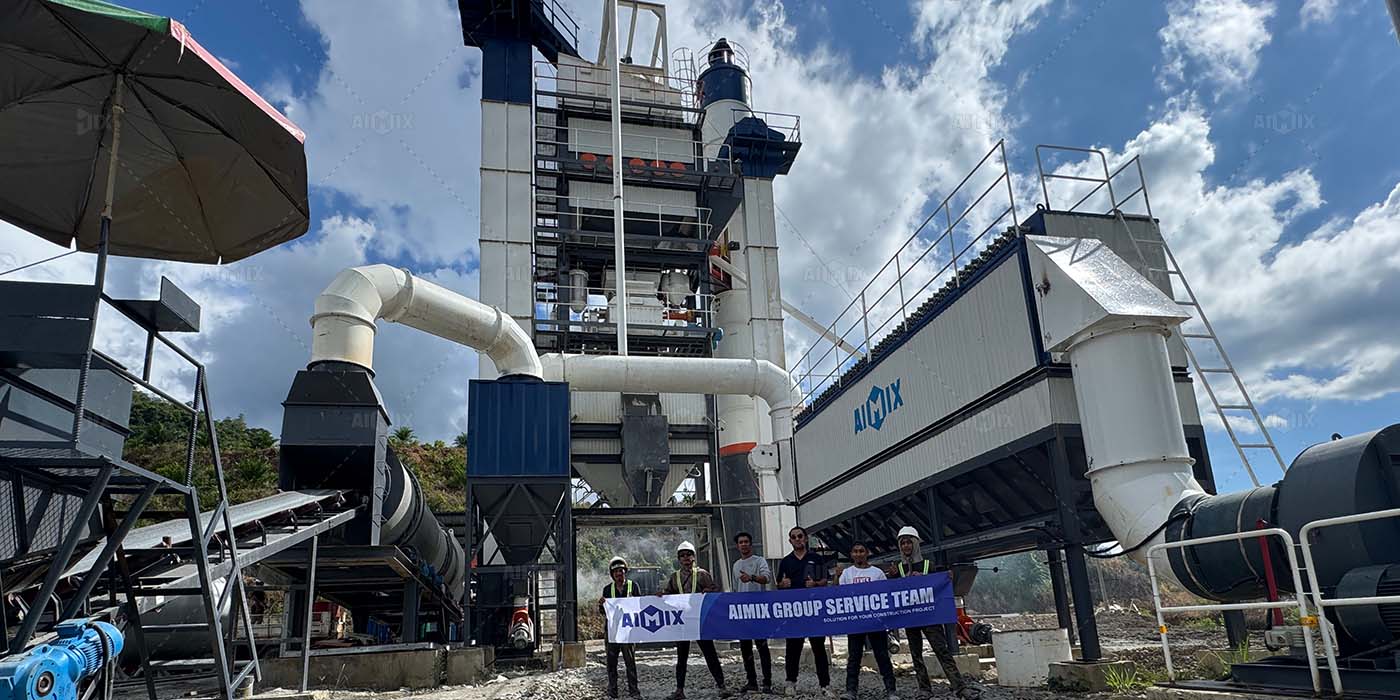
If you want to explore equipment details, you can check a full overview of an amp asphalt mixing plant to understand its structure and working logic.
Key Factors That Determine Investment Recovery Time
To estimate ROI realistically, we need to break it down into several business-driven factors.
Each factor influences cash flow differently, and together they shape the final payback period.
1. Initial Investment And Equipment Configuration
The total investment includes plant cost, installation, transportation, and commissioning.
Higher automation levels usually increase upfront cost but reduce long-term labor expenses.
For example, a fully automated system can improve batching accuracy and reduce waste.
This directly improves profit per ton over time.
If you want to understand cost structure in detail, you can review this guide on asphalt plant cost to evaluate budget planning more accurately.
2. Market Demand And Project Stability
Market demand is one of the most critical factors.
If your plant is located near highway construction zones or urban expansion areas, demand remains stable throughout the year.
Stable demand means continuous production, which shortens the payback period significantly.
On the other hand, unstable project flow can slow down ROI even if the plant is highly efficient.
Therefore, location strategy is just as important as equipment selection.
3. Production Efficiency And Utilization Rate
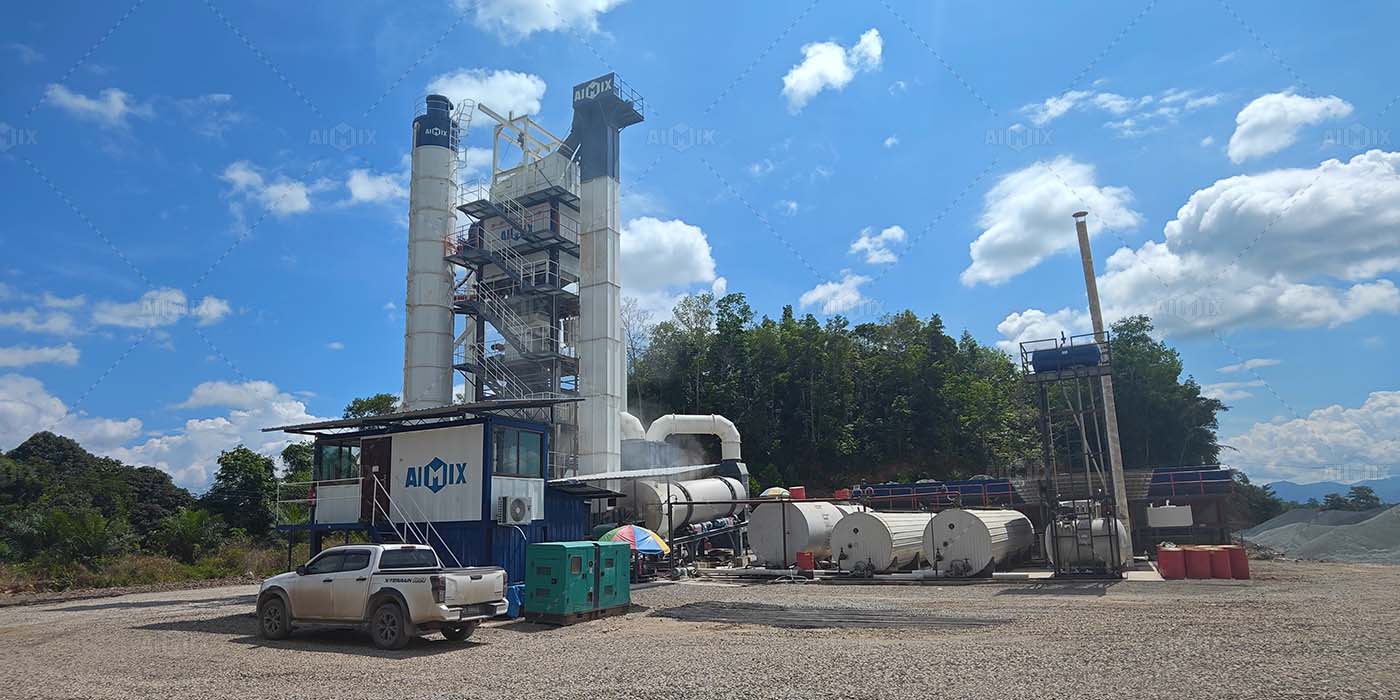
Even a high-capacity plant cannot generate strong returns if it is underutilized.
Utilization rate directly affects total monthly output and revenue.
For example, a plant operating 8–10 hours per day will recover investment much faster than one running only a few hours daily.
Efficient scheduling, stable material supply, and skilled operators all contribute to higher utilization.
4. Asphalt Selling Price And Contract Structure
Revenue depends on asphalt selling price per ton and contract stability.
Long-term government or contractor agreements provide predictable income streams.
When pricing is stable, cash flow becomes easier to manage, and ROI becomes more predictable.
This is why many investors prioritize contract-based projects over spot sales.
For production applications like hot mix asphalt, you can learn more about an hma plant and how it supports continuous paving operations.
Realistic Investment Recovery Scenarios
Now let’s look at practical scenarios to understand how recovery time changes under different conditions.
These examples are based on real construction market behavior.
Fast Recovery Scenario
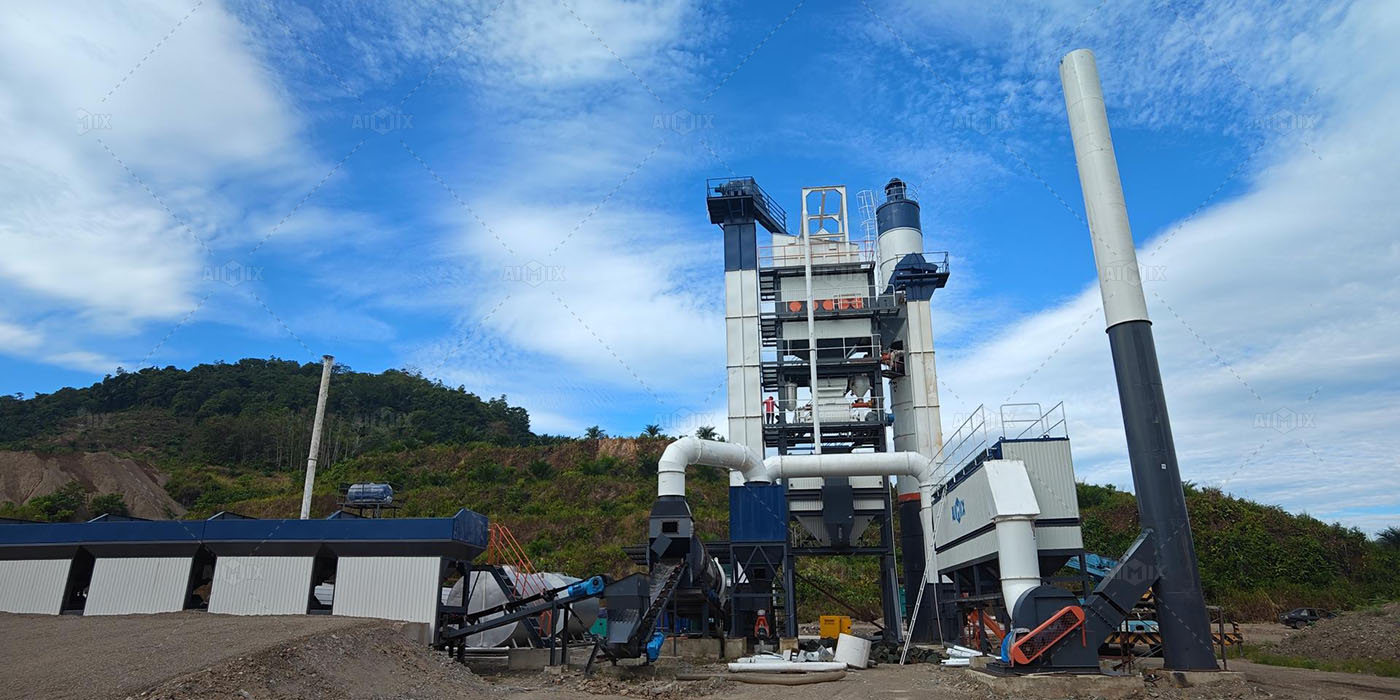
In high-demand infrastructure regions, a 120 TPH plant can operate near full capacity most of the year.
Projects such as highways and urban road networks provide consistent workload.
In this case, investment recovery may take around 1.5 to 3 years.
The key driver here is high utilization combined with stable contracts.
Medium Recovery Scenario
In moderate markets, the plant may experience occasional downtime between projects.
Daily operation typically ranges between 6–8 hours.
Under these conditions, ROI usually takes 3 to 5 years.
Profit remains stable, but not fully optimized.
Slow Recovery Scenario
If project demand is inconsistent or marketing strategy is weak, utilization drops significantly.
This leads to slower cash flow and longer payback time.
In such cases, recovery may exceed 5 years, especially if operating costs are not well controlled.
How To Improve ROI And Shorten Payback Time
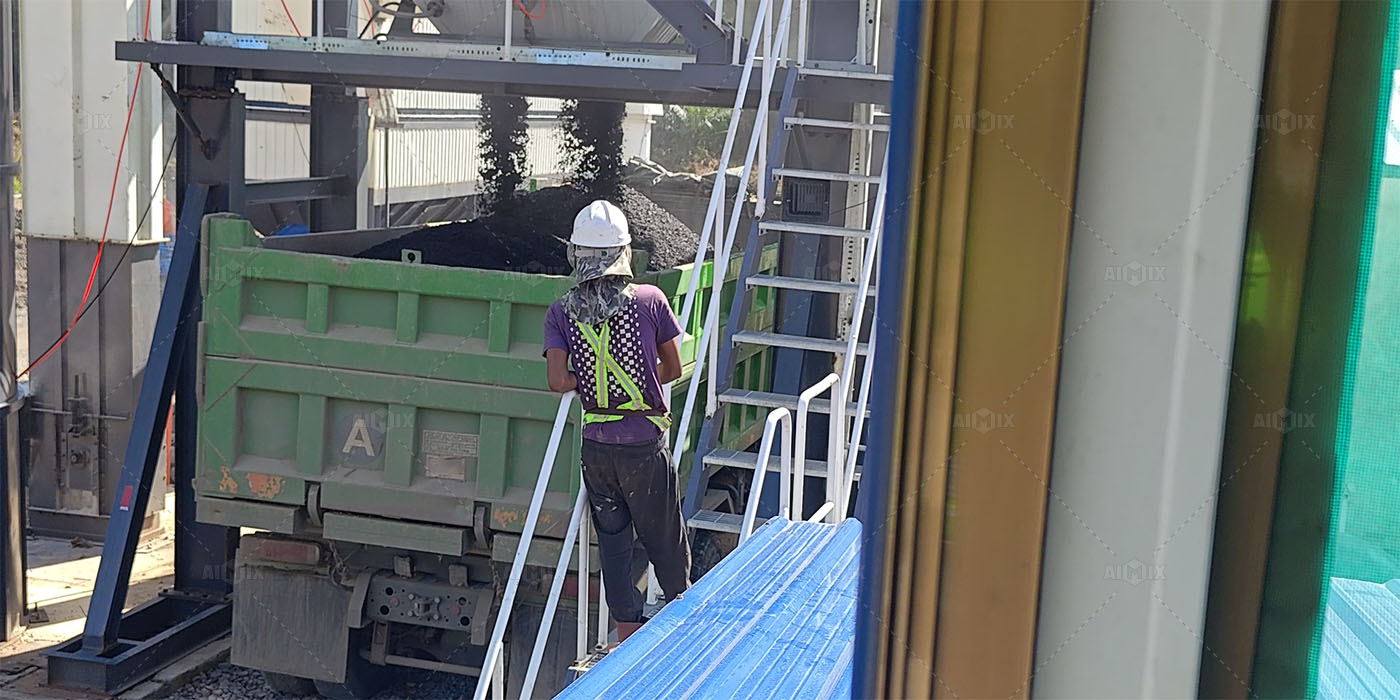
While external market conditions matter, internal management decisions can significantly improve ROI performance.
Here are several practical strategies used in real projects.
Optimize Plant Utilization
Higher utilization means more output and more revenue.
Good planning and preventive maintenance help avoid downtime and production loss.
Control Operating Costs
Fuel, electricity, and maintenance are major cost components.
Reducing energy waste directly increases profit margin per ton.
Secure Long-Term Contracts
Long-term supply agreements reduce uncertainty and stabilize cash flow.
This is one of the fastest ways to improve investment recovery speed.
Choose The Right Equipment Configuration
Choosing the right system affects long-term efficiency.
For example, comparing different plant configurations before purchase helps avoid over-investment or under-capacity issues.
If you are planning to purchase equipment, you can also explore options to buy asphalt plant based on your project scale and budget.
Final Thoughts
The investment recovery time of a 120 TPH asphalt plant is not a fixed number.
It depends on how well the plant is managed, how stable the market demand is, and how efficiently the operation runs.
In strong conditions, payback can be achieved in less than 3 years.
In average scenarios, it usually takes 3 to 5 years.
In weaker conditions, it may take longer.
Ultimately, success comes from combining the right equipment with the right strategy. A well-planned asphalt plant investment can deliver long-term and stable returns for years.