Latin America continues to invest in road rehabilitation, highways, urban roads, and infrastructure upgrades. For contractors working across changing project locations, a mobile asphalt plant can provide a practical way to produce hot mix asphalt closer to the construction site while reducing transportation requirements. Compared with a conventional stationary asphalt plant, a mobile solution offers greater flexibility when projects are temporary, geographically dispersed, or located far from established production facilities.
However, investing in a mobile asphalt plant(planta de asfalto móvil) requires more than comparing equipment prices. Contractors need to evaluate production capacity, mobility, fuel consumption, raw material availability, transportation costs, local regulations, and expected project duration. Understanding these factors is essential for determining whether the investment can deliver a satisfactory return.
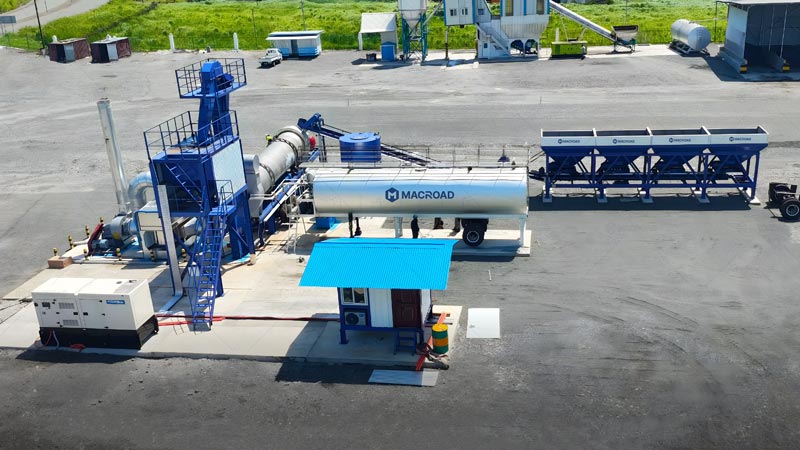
Why Mobile Asphalt Plants Are Attractive in Latin America
Road construction conditions vary considerably across Latin American countries. Projects may be located near major cities, in remote mountainous regions, or along long-distance transportation corridors. This geographic diversity creates demand for asphalt production equipment that can adapt to different jobsite conditions.
Reducing Asphalt Transportation Costs
One of the main advantages of a mobile asphalt plant is the ability to produce asphalt mix near the construction site. Long-distance transportation can increase fuel consumption, logistics expenses, and the risk of temperature loss during delivery. By shortening the distance between production and paving, contractors can improve material logistics and maintain more consistent mix quality.
Supporting Multiple Construction Projects
A mobile plant can be relocated when one project is completed and another project begins in a different area. This makes it particularly suitable for contractors handling highway maintenance, municipal road construction, airport projects, and other infrastructure work with changing locations.
Choosing the Right Asphalt Plant Configuration
Not every project requires the same production capacity or plant configuration. The appropriate equipment should be selected according to project scale, operating environment, expected asphalt demand, and investment budget.
Mobile Asphalt Plant vs. Stationary Asphalt Plant
A stationary asphalt plant can be advantageous for large-scale, long-term production because it is designed for stable operation at a permanent location. A mobile asphalt plant, in contrast, prioritizes transportation and rapid relocation. For contractors managing several projects, mobility may generate greater economic value even if the initial equipment cost is not the lowest option.
When a Drum Mix Asphalt Plant Makes Sense
A drum mix asphalt plant integrates aggregate heating and asphalt mixing within a continuous drum process. This configuration can simplify the production process and provide efficient continuous operation. For road contractors requiring reliable output and relatively straightforward plant operation, a drum mix asphalt plant(planta asfáltica continua) can be a suitable option.
Where a Mini Asphalt Plant Fits
A mini asphalt plant can be considered when asphalt demand is moderate or projects have limited production requirements. Smaller equipment can reduce transportation and installation requirements, making it attractive for rural roads, maintenance projects, and small-to-medium contractors entering asphalt production.
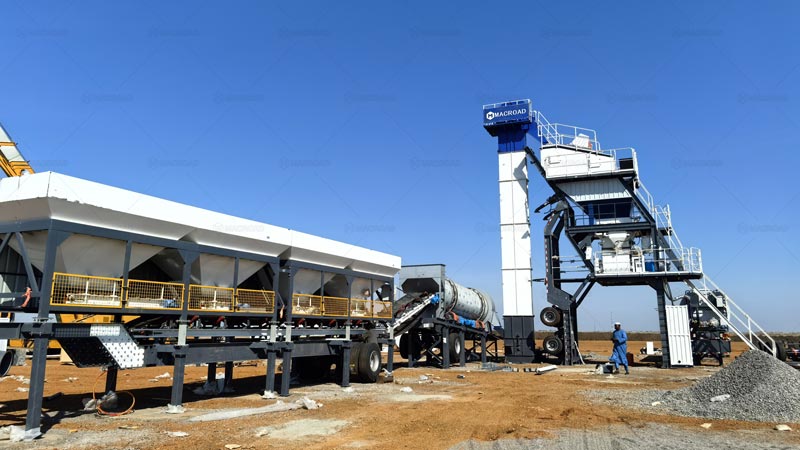
Key Investment Opportunities in Latin America
Road Rehabilitation and Maintenance
Existing roads require continuous resurfacing, pothole repair, overlays, and rehabilitation. These projects often occur in different locations rather than at one permanent construction site. A mobile asphalt plant can therefore help contractors establish local production capacity and respond more efficiently to maintenance contracts.
Remote Infrastructure Development
Mountainous and remote areas can create significant logistical challenges for asphalt transportation. Establishing a mobile asphalt plant closer to the work area can reduce dependence on distant asphalt suppliers and improve control over production schedules.
Growing Contractor Self-Sufficiency
Owning an asphalt plant(Ser propietario de una planta de asfalto) allows contractors to have greater control over production volume, scheduling, and mix supply. Instead of purchasing all asphalt from external suppliers, contractors can integrate asphalt production more closely with their paving operations.
Challenges Contractors Should Consider
Despite its advantages, investing in a mobile asphalt plant also involves several challenges. A realistic investment assessment should include both equipment costs and long-term operating conditions.
Initial Investment and Operating Costs
The purchase price is only one part of the total investment. Contractors should also consider transportation, installation, fuel, aggregate handling, spare parts, maintenance, labor, and environmental control systems. Comparing the total cost of ownership provides a more accurate picture than comparing equipment prices alone.
Fuel and Energy Consumption
Heating aggregates requires substantial energy. Fuel efficiency can therefore have a major impact on operating margins, particularly when projects run for extended periods. Equipment configuration, burner efficiency, aggregate moisture, and local fuel prices should all be included in the financial evaluation.
Environmental and Regulatory Requirements
Different Latin American markets may have different requirements related to emissions, dust, noise, and industrial installations. Before purchasing an asphalt plant, contractors should confirm applicable environmental standards and permitting requirements in the target country and project area.
How to Evaluate ROI for a Mobile Asphalt Plant
ROI should be calculated based on the plant’s expected utilization rather than simply its production capacity. A useful evaluation can include the following factors:
- Annual asphalt production volume
- Average selling price or internal production value per ton
- Fuel and electricity consumption
- Aggregate and bitumen costs
- Transportation savings
- Labor and maintenance expenses
- Equipment depreciation and financing costs
- Expected operating years
For example, if a contractor regularly completes projects in locations far from commercial asphalt suppliers, transportation savings can become an important part of the mobile plant’s economic value. Higher annual utilization generally improves the opportunity to recover the initial investment more quickly.
How Contractors Can Improve Investment Returns
Match Capacity to Actual Demand
Oversizing a mobile asphalt plant can increase capital and operating costs without generating additional revenue if project demand is limited. Contractors should estimate realistic annual production before selecting plant capacity.
Prioritize Mobility and Installation Efficiency
For contractors working on multiple projects, convenient transportation and rapid installation can directly affect equipment utilization. A plant that can be relocated efficiently can spend more time producing asphalt and less time waiting between projects.
Consider Long-Term Service Support
Reliable technical support, spare parts availability, operator training, and maintenance services can reduce downtime. These factors should be included when comparing suppliers because equipment reliability directly affects production and ROI.
Building a More Flexible Asphalt Production Strategy
For Latin American contractors, the investment decision should ultimately be based on project characteristics rather than simply choosing the cheapest equipment. A mobile asphalt plant can be particularly valuable when projects are geographically dispersed, transportation costs are significant, and contractors need flexible production capacity. A drum mix asphalt plant can support continuous production, while a mini asphalt plant may provide a more appropriate entry point(mini planta de asfalto puede proporcionar un punto de entrada más apropiado) for smaller projects. By matching plant configuration, production capacity, mobility, and operating costs with actual market demand, contractors can build a more resilient asphalt production strategy and improve the long-term return on their equipment investment.